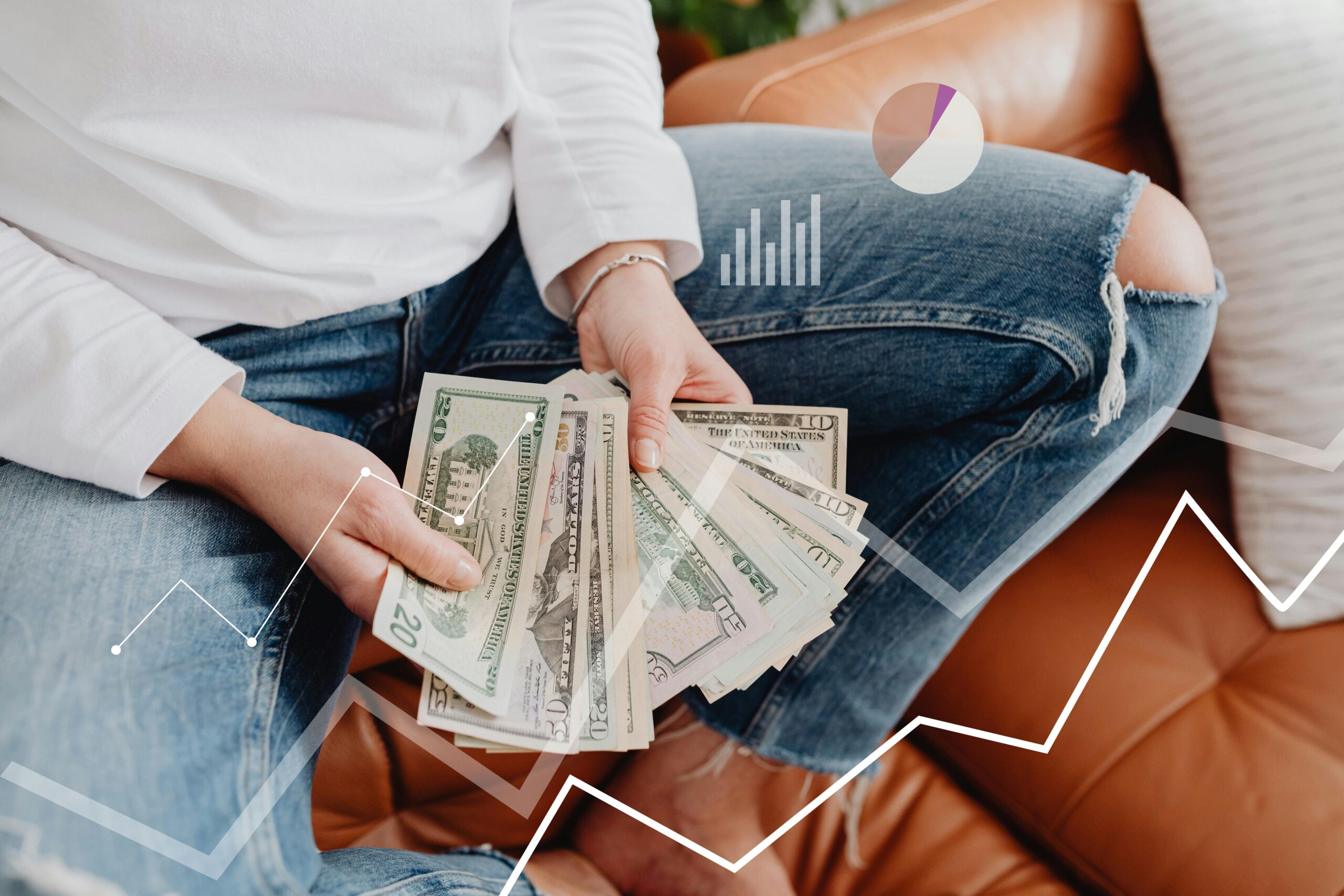
Why do we suddenly feel compelled to buy things we didn’t plan for? Understanding consumption spikes reveals fascinating insights into human psychology and decision-making.

🧠 The Hidden Forces Behind Sudden Shopping Urges
Consumption spikes represent those unexpected moments when purchasing behavior dramatically increases, often catching both consumers and businesses by surprise. These aren’t random occurrences but rather the result of complex psychological mechanisms working beneath our conscious awareness. From flash sales creating urgency to emotional triggers that override rational decision-making, the factors driving these spikes are both predictable and profoundly influential.
Research in behavioral economics has demonstrated that our brains are wired to respond to specific stimuli in ways that often contradict our stated intentions. We might claim to be rational shoppers who carefully evaluate every purchase, yet our actual behavior tells a different story. The gap between intention and action becomes particularly wide during consumption spikes, when psychological pressure overwhelms logical analysis.
⏰ Scarcity and Urgency: The Powerful Twin Motivators
Few psychological principles influence buying behavior as powerfully as scarcity. When we perceive that something is limited in availability or time, our brain’s fear of missing out activates immediately. This isn’t merely a marketing trick; it’s rooted in evolutionary psychology where scarce resources once determined survival.
Limited-time offers create artificial scarcity that triggers an immediate response. The “only 2 left in stock” message or “sale ends in 3 hours” countdown activates our loss aversion mechanisms. We’re psychologically wired to feel the pain of loss more intensely than the pleasure of gain, making these tactics remarkably effective at spurring action.
Urgency compounds this effect by adding time pressure. When both scarcity and urgency combine, our prefrontal cortex—responsible for rational decision-making—becomes overwhelmed. The emotional limbic system takes over, leading to impulsive purchases we might later question. This neurological hijacking explains why people buy things during flash sales that they wouldn’t normally consider at regular prices.
The FOMO Phenomenon in Modern Shopping
Fear of Missing Out has evolved from a social anxiety into a powerful economic force. Social media amplifies FOMO by constantly exposing us to others’ purchases, experiences, and perceived happiness. When we see friends unboxing new products or influencers showcasing latest trends, our brain interprets this as social proof that we’re falling behind.
This psychological pressure manifests physically. Studies using fMRI scans show that FOMO activates the same brain regions associated with physical pain. The discomfort is real, and purchasing becomes a way to alleviate this psychological distress. E-commerce platforms have become exceptionally skilled at leveraging FOMO through notifications like “12 people are viewing this item right now” or “trending in your area.”
💰 Emotional Triggers That Open Wallets
Emotions play a far more significant role in purchasing decisions than most consumers recognize. While we like to believe we make rational choices based on features, benefits, and value, research consistently shows that emotions drive approximately 95% of purchasing decisions, with logic serving primarily to justify choices already made emotionally.
Positive emotions like excitement, anticipation, and joy can trigger spending sprees. Product launches generate excitement that translates into immediate sales spikes. Apple’s iPhone releases exemplify this phenomenon, with customers camping outside stores not because of rational feature analysis but because of emotional attachment to the brand experience.
Negative emotions also drive consumption spikes, though through different mechanisms. Stress, anxiety, sadness, and loneliness can all trigger compensatory purchasing behavior. Retail therapy isn’t just a cultural joke; it’s a documented psychological coping mechanism where shopping provides temporary emotional relief through dopamine release.
The Dopamine-Driven Shopping Cycle
Understanding dopamine’s role is crucial to comprehending consumption spikes. This neurotransmitter, often called the “reward chemical,” doesn’t actually create pleasure but rather anticipation of pleasure. The moment before purchasing—when we’re about to click “buy now”—releases more dopamine than the actual acquisition.
This anticipatory reward system creates a cycle that can become compulsive. Each purchase provides a temporary high, but as the dopamine fades, we seek the next hit. During sales events or when browsing online stores, this cycle accelerates, creating consumption spikes as multiple purchases provide repeated dopamine releases in quick succession.
👥 Social Influence and Conformity Pressure
Humans are fundamentally social creatures, and our purchasing behavior reflects this deeply embedded need for social connection and acceptance. Social proof—the tendency to follow others’ behavior—becomes particularly powerful during consumption spikes when we see many people making similar purchases.
The bandwagon effect explains why trending products sell exponentially faster than alternatives with similar features. When everyone seems to be buying something, our brain interprets this collective behavior as validation. We assume the crowd possesses knowledge we lack, leading us to follow suit without independent evaluation.
Social media has turbocharged these social influences. Influencer marketing works because we unconsciously model behavior after people we admire or relate to. When influencers showcase products, their followers experience vicarious desire. The purchase becomes not just about the product but about aligning with an identity and lifestyle they represent.
Status Signaling Through Consumption
Many consumption spikes are driven by status-seeking behavior. Luxury goods, limited editions, and exclusive products appeal to our desire to signal social position. This motivation operates both consciously and unconsciously, influencing everything from car purchases to smartphone choices.
Veblen goods—products that become more desirable as prices increase—demonstrate this psychological principle clearly. Higher prices signal exclusivity and status, making them more attractive to certain consumer segments. During limited releases of luxury items, consumption spikes occur specifically because scarcity enhances status signaling value.
🎯 Cognitive Biases Shaping Purchase Decisions
Our brains use mental shortcuts called heuristics to make quick decisions, but these shortcuts often lead to systematic errors in judgment. Understanding these cognitive biases reveals why consumption spikes occur in seemingly irrational patterns.
The anchoring effect powerfully influences our perception of value. When retailers show original prices next to sale prices, the higher number becomes an anchor that makes the sale price seem more attractive. This comparison creates perceived value that drives purchase decisions, even when the “original” price was artificially inflated.
The availability heuristic causes us to overestimate the likelihood of events that are easily recalled. Heavy advertising makes products more mentally available, leading us to believe they’re more popular, necessary, or valuable than they actually are. This mental availability translates directly into consumption spikes when the product becomes prominently featured.
Present Bias and Instant Gratification
We consistently overvalue immediate rewards compared to future benefits, a phenomenon economists call hyperbolic discounting. This present bias explains why discount codes drive immediate purchases while saving money for future needs remains challenging. The instant satisfaction of a purchase outweighs abstract future consequences.
One-click purchasing and same-day delivery have exploited this bias brilliantly. By reducing friction between desire and acquisition, these innovations eliminate the cooling-off period that might allow rational reflection. The result is increased consumption spikes as impulses translate immediately into purchases.
🛍️ Environmental and Contextual Triggers
The environment in which shopping occurs significantly influences behavior. Both physical and digital shopping environments are carefully designed to trigger specific psychological responses that encourage spending.
Seasonal patterns create predictable consumption spikes. Black Friday, Cyber Monday, and holiday shopping periods combine multiple psychological triggers: scarcity through limited-time offers, social proof from widespread participation, and emotional associations with gift-giving and celebration. These events have become cultural phenomena precisely because they align multiple psychological motivators.
Store layouts and website designs strategically guide consumer behavior. Eye-tracking studies reveal how placement influences perception and decision-making. Products positioned at eye level or prominently featured on websites receive disproportionate attention. Digital interfaces use color psychology, with urgency-inducing reds for sale items and calming blues for trust-building.
The Role of Personalization and Targeting
Modern retail increasingly leverages personal data to trigger consumption. Algorithm-driven recommendations feel personalized and relevant, reducing psychological resistance to purchasing. When platforms suggest products based on browsing history, they’re essentially mapping your desires back to you, creating a powerful feedback loop.
Retargeting advertisements exemplify this approach. After viewing a product, consumers encounter it repeatedly across platforms. This repeated exposure creates familiarity, which psychological research shows increases liking and purchase probability. The mere exposure effect explains why products we’ve seen multiple times suddenly seem more desirable.
💳 The Psychology of Payment Methods
How we pay profoundly affects how much we spend. Cash transactions create psychological pain because physically parting with money makes the cost tangible and real. Credit cards reduce this pain by creating temporal and psychological distance between purchase and payment.
Digital wallets and mobile payments have further reduced friction. Studies show that contactless payment methods lead to increased spending because they’re faster, easier, and feel less “real” than traditional transactions. This payment invisibility contributes significantly to consumption spikes, particularly in impulse purchase categories.
Buy-now-pay-later services exploit present bias by making purchases feel consequence-free in the moment. Breaking payments into installments makes expensive items seem affordable, triggering purchases that consumers might otherwise delay or avoid. This financial innovation has created new patterns of consumption spikes, particularly among younger demographics.
🔄 Breaking Free from Impulsive Consumption Patterns
Understanding the psychology behind consumption spikes empowers consumers to make more intentional decisions. Awareness of these mechanisms doesn’t eliminate their influence, but it creates psychological distance that allows for more deliberate choice.
Implementing cooling-off periods proves remarkably effective. When tempted by an impulse purchase, waiting 24 hours allows the initial emotional spike to subside. Many purchases that feel urgent in the moment lose their appeal once the psychological pressure dissipates. This simple strategy interrupts the emotion-driven purchase cycle.
Mindful consumption practices involve questioning the motivation behind purchase urges. Asking “Am I buying this because I need it, or because of external pressure?” helps distinguish genuine needs from manufactured desires. Journaling purchase impulses and outcomes builds self-awareness about personal triggers and patterns.
Creating Intentional Shopping Systems
Systematic approaches to purchasing reduce vulnerability to psychological manipulation. Shopping lists serve as commitment devices that limit impulse purchases. Unsubscribing from promotional emails eliminates triggers before they can activate desire. Setting spending budgets creates boundaries that protect against emotionally-driven spikes.
Digital tools can support more conscious consumption. Budget tracking apps provide visibility into spending patterns, revealing how consumption spikes affect overall finances. Some apps introduce intentional friction, requiring confirmation before purchases or tracking items in a wishlist before buying.

🎨 The Future of Consumption Psychology
As technology evolves, so do the mechanisms driving consumption spikes. Virtual reality shopping experiences, AI-powered personalization, and augmented reality product visualization create new psychological touchpoints. Understanding these emerging influences becomes increasingly important for maintaining autonomy over purchasing decisions.
Neurological research continues uncovering the brain mechanisms underlying consumer behavior. This knowledge enables both more effective marketing and more informed consumer protection. The ethical implications of applying psychological insights to drive sales remain hotly debated, with growing calls for transparency and consumer education.
Ultimately, consumption spikes reveal fundamental truths about human psychology—our social nature, emotional complexity, and cognitive limitations. By understanding what motivates our buying behavior, we gain not just consumer literacy but deeper self-knowledge. The goal isn’t to eliminate all emotional or social influences on purchasing, which would be impossible and perhaps undesirable, but rather to ensure our consumption aligns with our genuine values and long-term wellbeing.
Whether you’re a marketer seeking to understand customer behavior or a consumer wanting to make more intentional choices, recognizing the psychological forces behind consumption spikes provides valuable insights. These patterns reflect evolved human instincts interacting with modern commercial environments designed to activate them. Awareness represents the first step toward either leveraging these insights ethically or protecting yourself from their more manipulative applications.