Modern households consume energy around the clock, yet few people understand how their daily rhythms impact electricity bills and environmental footprint.

The relationship between our consumption patterns and appliance efficiency represents one of the most overlooked opportunities for reducing energy waste. By aligning our usage habits with natural energy rhythms and understanding peak demand periods, we can dramatically decrease costs while contributing to a more sustainable energy grid. This strategic approach to energy management transforms ordinary households into smart, efficient ecosystems that benefit both the wallet and the planet.
🔄 The Hidden Patterns in Your Energy Consumption
Every household follows distinct energy consumption rhythms that mirror daily routines. Morning showers, breakfast preparation, evening cooking, and nighttime entertainment create predictable spikes in electricity usage. These patterns aren’t random—they reflect our biological clocks, work schedules, and lifestyle choices.
Understanding these rhythms begins with awareness. Most people operate appliances on autopilot, never questioning whether their timing choices optimize efficiency. The washing machine runs whenever the hamper fills, the dishwasher starts after dinner out of habit, and heating or cooling systems maintain constant temperatures regardless of occupancy.
However, electricity doesn’t cost the same amount throughout the day. Power grids experience variable demand, and many utility companies implement time-of-use (TOU) pricing structures that reflect these fluctuations. During peak hours—typically early morning and early evening—electricity costs more because demand strains the grid. Conversely, off-peak periods offer lower rates and reduce environmental impact since they require less fossil fuel backup generation.
Mapping Your Personal Energy Footprint
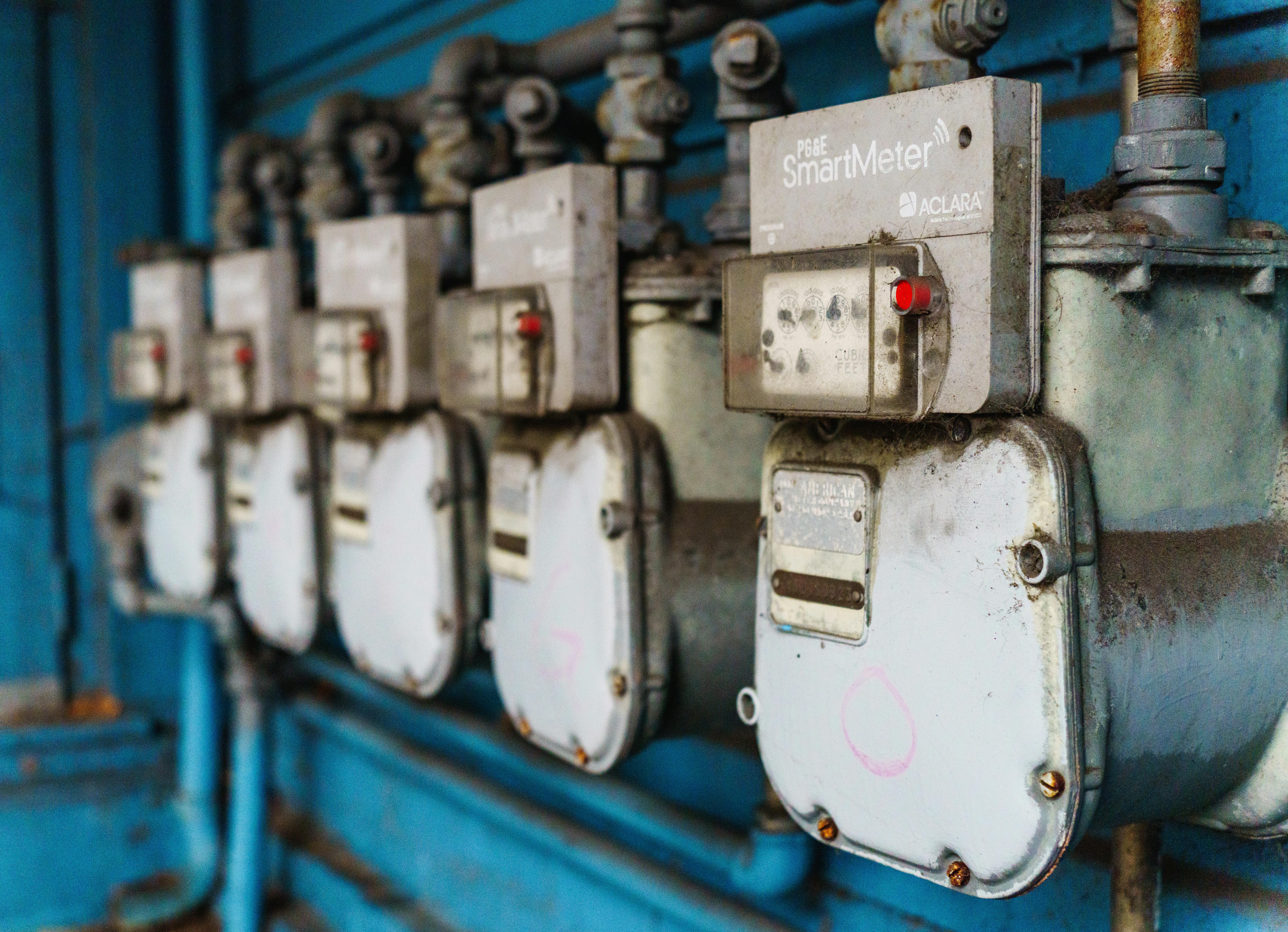
Before optimizing consumption, you need baseline data. Smart meters and energy monitoring systems provide detailed insights into which appliances consume the most power and when. Even without sophisticated equipment, utility bills often include consumption graphs that reveal patterns.
Common high-impact appliances include water heaters, HVAC systems, refrigerators, washing machines, dryers, dishwashers, and electric ovens. These devices account for approximately 70-80% of residential energy consumption. Understanding their operational rhythms creates the foundation for optimization strategies.
⚡ Peak vs. Off-Peak: The Economics of Energy Timing
Time-of-use pricing fundamentally changes the energy equation. Instead of paying a flat rate per kilowatt-hour, TOU customers pay variable rates based on demand levels. This pricing model encourages load shifting—moving electricity consumption from peak to off-peak periods.
Typical TOU structures divide the day into three or four pricing tiers. Peak periods (highest rates) usually occur from 4 PM to 9 PM on weekdays when people return home and demand surges. Mid-peak periods bridge the transition times, while off-peak rates (lowest prices) apply during nighttime and weekend hours when overall demand drops.
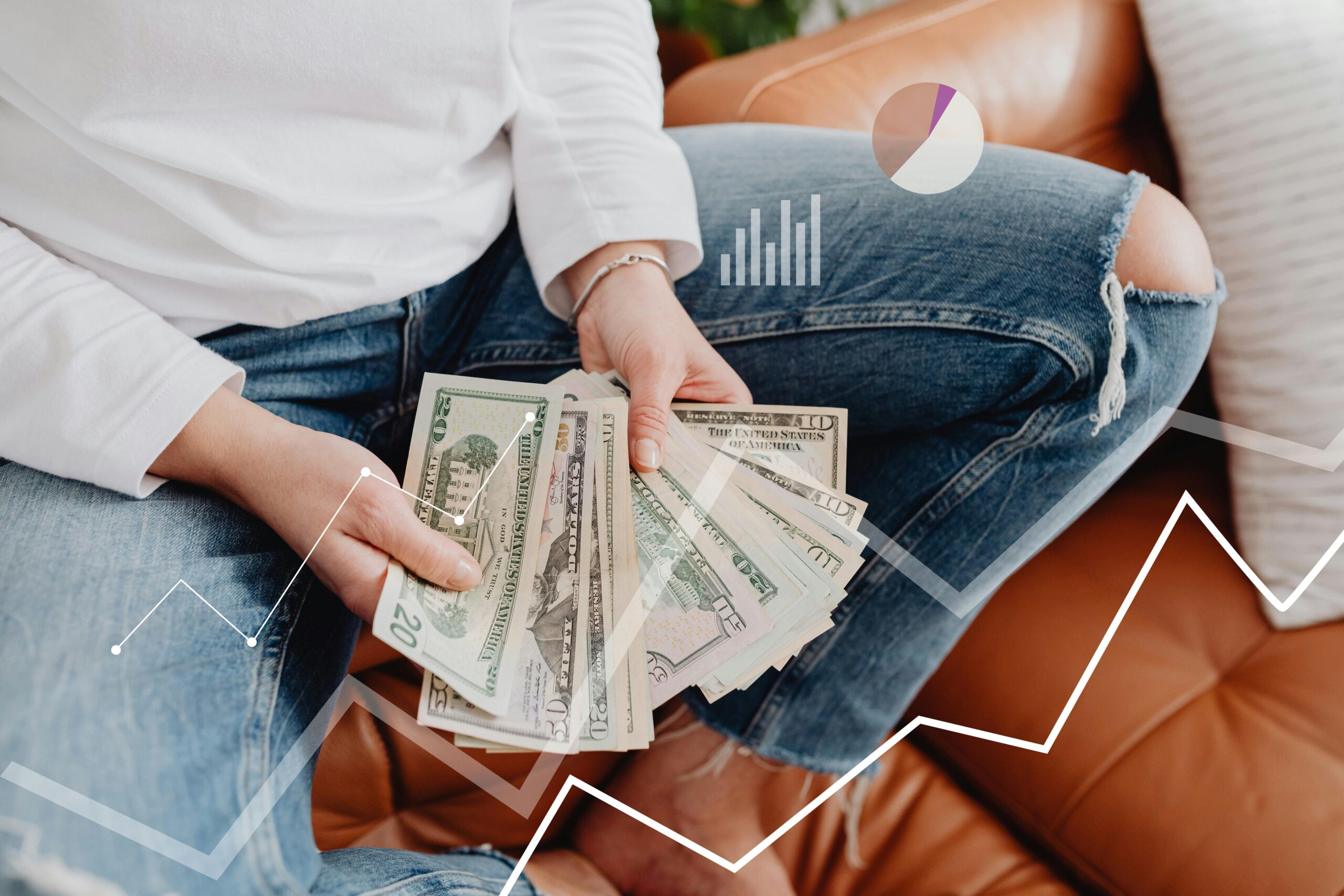
The price differences can be substantial. Off-peak rates might be 40-60% lower than peak rates in some jurisdictions. For households consuming 30 kilowatt-hours daily, strategic timing could save $30-50 monthly—$360-600 annually—without reducing actual consumption.
Strategic Appliance Scheduling
Optimizing appliance usage requires matching high-consumption activities with favorable rate periods. This doesn’t mean sacrificing comfort or convenience—it means working smarter with existing routines.
- Laundry operations: Washing machines and dryers consume significant energy. Running full loads during off-peak hours (typically after 9 PM or before 6 AM on weekdays, anytime on weekends) maximizes savings.
- Dishwashers: Modern dishwashers use less water than handwashing but require substantial electricity for heating. Delay start functions enable loading after dinner and automatic operation during off-peak hours.
- Water heaters: Electric water heaters represent major energy consumers. Programming them to heat water during off-peak periods, then maintaining temperature through insulation, significantly reduces costs.
- HVAC pre-cooling or pre-heating: Conditioning home temperature before peak periods, then relying on insulation during expensive hours, balances comfort and efficiency.
- Electric vehicle charging: For EV owners, overnight charging during off-peak hours provides the most economical option while supporting grid stability.
🏠 Syncing Appliances with Household Rhythms
Beyond pricing structures, appliance efficiency depends on operational conditions and usage patterns. Each device has optimal performance parameters that align with specific circumstances.
Temperature-Dependent Appliances
Refrigerators, freezers, and HVAC systems work harder under certain conditions. Refrigerators consume more energy in hot environments or when frequently opened. Air conditioners struggle during peak afternoon heat, while heating systems work harder during cold morning hours.
Strategic timing considerations include setting air conditioners to pre-cool homes before peak heat arrives, allowing higher temperature settings during the hottest (and most expensive) afternoon hours. Similarly, heating systems can warm spaces during off-peak morning hours, maintaining comfort through the day with proper insulation.
Load-Dependent Efficiency
Many appliances operate most efficiently at full capacity. Washing machines, dishwashers, and dryers achieve optimal energy-per-item ratios when fully loaded. Running half-empty loads wastes energy and money while accelerating wear on components.
This principle encourages accumulating full loads before operating these appliances, preferably during off-peak periods. The combination of full-load efficiency and favorable pricing creates compound savings.
📱 Technology Solutions for Energy Synchronization
Smart home technology has transformed energy management from manual effort to automated optimization. Modern solutions monitor consumption patterns, learn household rhythms, and automatically adjust appliance operation for maximum efficiency.
Smart Plugs and Energy Monitors
Smart plugs convert ordinary appliances into connected devices. These affordable adapters measure real-time energy consumption, enable remote control, and facilitate scheduling. When paired with energy monitoring apps, they provide granular insights into which devices consume power and when.
Energy monitoring systems track whole-house consumption, identifying vampire loads (standby power drain) and usage patterns. This data empowers informed decisions about appliance replacement, usage timing, and behavioral adjustments.
Programmable and Smart Thermostats
HVAC systems represent the largest energy expense for most households. Smart thermostats learn occupancy patterns, weather conditions, and user preferences to optimize heating and cooling schedules automatically. They pre-condition spaces during off-peak periods, reduce conditioning when homes are empty, and adjust settings based on actual comfort needs rather than arbitrary temperatures.
These devices often provide energy reports showing consumption trends, weather impacts, and optimization opportunities. Many integrate with utility time-of-use programs, automatically adjusting operation to minimize costs while maintaining comfort.
Appliance-Specific Smart Features
Modern appliances increasingly incorporate connectivity and intelligence. Smart washing machines detect load size and soil levels, adjusting water, detergent, and energy consumption accordingly. Smart refrigerators optimize cooling cycles based on door openings and internal temperatures. Smart water heaters learn usage patterns and heat water proactively rather than maintaining constant temperatures.
These features enhance efficiency beyond simple scheduling, adapting to actual needs rather than assumptions.
🌍 Environmental Impact Beyond the Bill
While financial savings motivate many efficiency efforts, environmental benefits extend far beyond individual households. Electricity generation remains a significant carbon emissions source, and consumption timing affects environmental impact substantially.
Grid Stability and Renewable Integration
Power grids balance supply and demand in real-time. Peak demand periods strain this balance, often requiring activation of less-efficient “peaker” plants—typically natural gas facilities that ramp up quickly but generate higher emissions per kilowatt-hour than baseload plants.
By shifting consumption to off-peak periods, households reduce peak demand pressure, decreasing the need for these high-emission backup sources. This load balancing also facilitates renewable energy integration. Solar generation peaks midday, while wind often produces more at night—both off-peak periods. Aligning consumption with renewable generation naturally reduces fossil fuel dependence.
The Collective Impact
Individual household changes seem minor, but aggregated across communities, they transform grid dynamics. If 20% of households shifted just 30% of discretionary consumption to off-peak periods, the cumulative reduction in peak demand would eliminate the need for numerous peaker plants, significantly reducing regional emissions.
This collective benefit creates positive feedback loops. As peak demand decreases, utilities can invest more in renewable infrastructure rather than backup fossil fuel capacity, accelerating the transition to sustainable energy systems.
💡 Practical Implementation Strategies
Understanding energy rhythms provides theoretical knowledge, but practical implementation requires systematic approaches tailored to individual circumstances.
The Energy Audit Foundation
Begin with a comprehensive energy audit. Many utilities offer free or subsidized audits that identify major consumption sources, inefficiencies, and improvement opportunities. DIY audits using energy monitoring equipment or detailed bill analysis also reveal patterns.
Document daily routines and appliance usage, noting which activities occur during peak vs. off-peak periods. This baseline establishes optimization targets and tracks progress.
Graduated Optimization Approach
Attempting to change everything simultaneously often proves unsustainable. Instead, adopt a graduated approach:
- Phase 1: Shift easily controllable discretionary loads (laundry, dishwashing) to off-peak periods using delay start features or manual scheduling.
- Phase 2: Optimize thermostat settings and HVAC operation through programmable schedules or smart thermostats.
- Phase 3: Address water heating through timer controls, temperature adjustments, or demand-based systems.
- Phase 4: Consider appliance upgrades for the least efficient devices, prioritizing Energy Star certified models with smart features.
- Phase 5: Implement whole-home energy management systems that integrate multiple devices and optimize holistically.
Behavioral Adjustments and Habit Formation
Technology enables optimization, but behavioral changes sustain it. Creating new habits around energy consumption requires intentional effort:
Set reminders for starting delayed appliance cycles before peak periods. Establish routines like loading the dishwasher after dinner but delaying operation until bedtime. Review energy reports monthly to maintain awareness and celebrate progress.
Involve all household members in energy optimization efforts. When everyone understands the financial and environmental benefits, cooperation improves and sustainable practices become household norms rather than individual efforts.
⏰ Seasonal Rhythms and Adaptive Strategies
Energy consumption patterns vary seasonally, requiring adaptive optimization strategies. Summer cooling demands differ fundamentally from winter heating needs, while spring and fall offer moderate periods requiring minimal conditioning.
Summer Optimization
Hot weather increases cooling loads and shifts peak demand later into evening as temperatures remain elevated. Summer strategies include pre-cooling homes during cheaper morning hours, using fans to circulate air, minimizing heat-generating activities (cooking, laundry) during peak heat, and maximizing natural ventilation during cooler evening hours.
Winter Adjustments
Heating demands peak during cold mornings and evenings. Winter optimization focuses on pre-heating during off-peak overnight hours, leveraging thermal mass and insulation to maintain warmth, using zone heating for occupied spaces rather than whole-house heating, and timing high-energy activities like cooking to contribute useful heat during cold periods.
Shoulder Season Opportunities
Mild spring and fall weather minimize conditioning needs, creating opportunities to focus on other consumption areas. These periods are ideal for establishing new routines, conducting energy audits, and implementing infrastructure improvements without the pressure of extreme weather demands.
🎯 Measuring Success and Continuous Improvement
Optimization isn’t a one-time effort but an ongoing process of measurement, adjustment, and refinement. Establishing metrics and tracking progress maintains momentum and reveals new opportunities.
Key Performance Indicators
Track several metrics to assess optimization effectiveness:
- Total monthly consumption (kilowatt-hours)
- Monthly electricity costs
- Peak vs. off-peak consumption ratio
- Cost per kilowatt-hour (revealing pricing tier distribution)
- Year-over-year comparisons (adjusted for weather differences)
Most smart meters and monitoring systems provide these metrics automatically, often with historical comparisons and trend analysis.
Iterative Refinement
Regular review sessions—monthly or quarterly—identify what’s working and what needs adjustment. Perhaps dishwasher timing could shift slightly later for better off-peak alignment, or thermostat settings could be refined based on actual comfort feedback rather than assumed preferences.
This iterative approach treats energy management as an evolving practice rather than a fixed solution, adapting to changing household circumstances, new technologies, and shifting utility rate structures.
🔮 The Future of Synchronized Energy Management
Energy management continues evolving rapidly. Emerging technologies and policy changes will further enhance optimization opportunities while making implementation easier and more effective.
Artificial intelligence and machine learning increasingly power smart home systems, learning patterns and preferences to optimize automatically without manual programming. Grid-interactive efficient buildings—structures that communicate directly with utilities—will enable dynamic response to grid conditions, adjusting consumption automatically during stress periods.
Virtual power plants aggregate distributed energy resources like solar panels, battery storage, and flexible loads into coordinated systems that function like traditional power plants but with greater flexibility and lower emissions. Participating households contribute to grid stability while receiving compensation, adding financial incentives to environmental benefits.
Time-of-use rates will become more sophisticated, with dynamic pricing that reflects real-time grid conditions rather than fixed schedules. Smart systems will respond automatically, shifting consumption second-by-second to capture optimal rates while maintaining comfort and convenience.
Understanding and synchronizing with energy consumption rhythms represents a fundamental shift in how we interact with electricity. Rather than treating power as an unlimited commodity available identically at all times, this approach recognizes energy as a dynamic resource with varying costs, environmental impacts, and availability.
By aligning appliance usage with favorable pricing periods, optimal operational conditions, and renewable generation patterns, households achieve substantial financial savings while contributing to grid stability and environmental sustainability. The combination of awareness, strategic timing, appropriate technology, and behavioral adjustment creates compound benefits that extend far beyond individual utility bills.
This isn’t about sacrifice or inconvenience—it’s about working smarter with existing resources and technology. The same appliances running at different times can deliver identical results at significantly lower costs and environmental impact. As smart home technology continues advancing and utility pricing structures evolve, the advantages of synchronized energy management will only increase, making this approach essential for financially savvy and environmentally conscious households.