Understanding how we consume resources throughout the day and across seasons is essential for creating sustainable habits that benefit both our wallets and the planet. 🌍

Our daily lives are shaped by patterns we rarely notice—when we use the most electricity, how water consumption peaks during certain hours, and why our energy bills fluctuate dramatically between summer and winter. These consumption cycles hold the key to unlocking significant savings and reducing our environmental footprint. By mapping these patterns and understanding their rhythms, we can make informed decisions that transform our relationship with resource consumption.
The Hidden Rhythms of Daily Resource Use
Every household follows invisible routines that dictate resource consumption. Morning showers, breakfast preparation, evening cooking, and late-night entertainment create predictable peaks and valleys in our utility usage. These patterns aren’t random—they’re deeply embedded in our lifestyle choices and cultural norms.
Electricity consumption typically follows a distinctive curve throughout the day. Most households experience a morning surge between 6 AM and 9 AM as people wake, prepare for work or school, and use multiple appliances simultaneously. Consumption then dips during mid-morning hours when many people are away, before climbing again in the evening—the most intense period for residential energy use.
Water usage follows a similar trajectory, with morning and evening peaks corresponding to personal hygiene routines, meal preparation, and laundry activities. Understanding these patterns allows us to identify opportunities for shifting consumption to off-peak hours, potentially reducing costs and strain on infrastructure.
Tracking Your Personal Consumption Fingerprint 📊
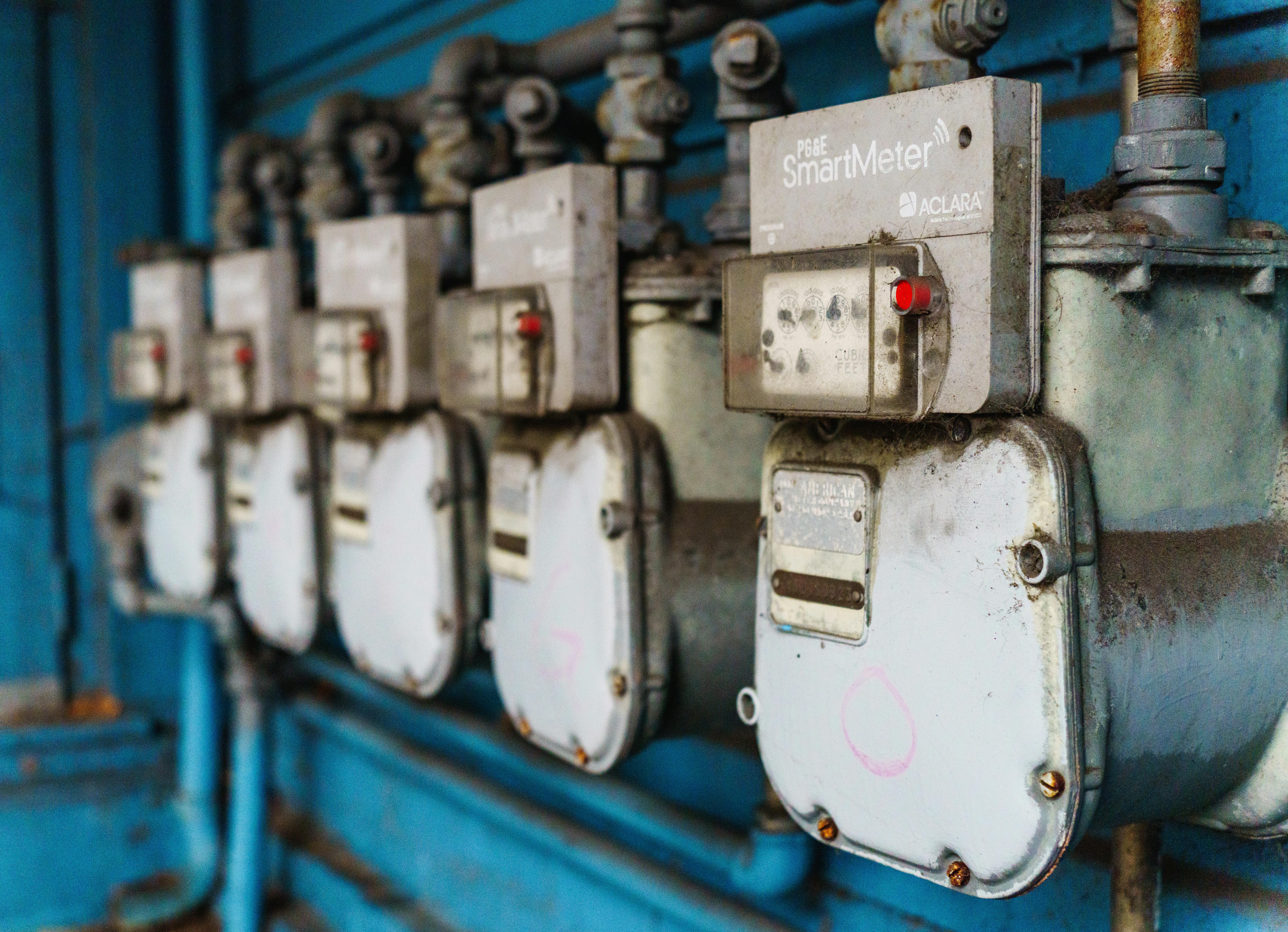
Before you can optimize your resource use, you need visibility into your actual consumption patterns. Modern technology has made this remarkably accessible through smart meters, monitoring devices, and dedicated applications that provide real-time feedback.
Smart home energy monitors can break down electricity usage by individual appliances, revealing which devices are the biggest consumers and when they’re most active. This granular data often surprises homeowners who discover that phantom loads from devices on standby mode or inefficient appliances contribute significantly to their overall consumption.
Water monitoring systems similarly provide insights into usage patterns, helping identify leaks, inefficient fixtures, and opportunities to reduce waste. Some systems can even differentiate between types of water use—distinguishing showers from toilet flushes or outdoor irrigation—enabling targeted conservation efforts.
Seasonal Variations and Climate Impact
The changing seasons dramatically influence our resource consumption patterns, with heating and cooling representing the largest variable costs for most households. Understanding these seasonal cycles is crucial for developing year-round sustainability strategies.
Winter months typically bring increased heating demands in colder climates, pushing energy consumption to annual peaks. Natural gas usage often doubles or triples compared to summer months, while electricity consumption rises due to shorter daylight hours and increased indoor activities. Conversely, summer brings air conditioning loads that can strain electrical grids during afternoon heat peaks.
These seasonal variations aren’t uniform across regions. Mediterranean climates might see minimal heating needs but substantial cooling demands, while continental climates experience both extremes. Coastal areas benefit from moderating ocean influences, while inland regions face more dramatic temperature swings and corresponding resource demands.
Adapting to Seasonal Resource Cycles 🌱
Sustainable living requires anticipating and adapting to these seasonal patterns rather than simply reacting to them. Strategic planning can significantly reduce resource consumption while maintaining comfort throughout the year.
Winterization strategies extend beyond simply turning up the thermostat. Proper insulation, weatherstripping, and strategic use of thermal mass can reduce heating needs by 30-50%. Opening south-facing curtains during sunny winter days captures free solar heating, while closing them at night provides insulation against heat loss.
Summer cooling strategies should prioritize passive approaches before relying on air conditioning. Cross-ventilation during cooler evening and morning hours, strategic shading of windows, and the use of fans to enhance comfort can dramatically reduce cooling loads. When mechanical cooling is necessary, setting thermostats to moderate temperatures and using programmable controls prevents energy waste.
The Water-Energy Connection
Water and energy consumption are intimately linked in ways many people overlook. Heating water accounts for approximately 18% of residential energy use, making it the second-largest energy expense in most homes after heating and cooling.
This water-energy nexus creates multiplicative effects. Every gallon of hot water saved represents both water conservation and energy reduction. Low-flow showerheads, efficient washing machines, and mindful hot water usage deliver dual benefits that compound over time.
The connection extends beyond individual households. Municipal water systems consume substantial energy pumping, treating, and distributing water. When we reduce consumption, we decrease both our direct energy use and the indirect energy embedded in water delivery systems.
Optimizing Hot Water Usage Patterns 💧
Hot water consumption patterns reveal significant opportunities for resource optimization. Most households use hot water primarily during morning showers and evening dishwashing or bathing routines, creating predictable demand cycles.
Water heater settings and types dramatically affect efficiency. Traditional tank water heaters maintain a constant temperature 24/7, wasting energy maintaining hot water even when it’s not needed. Lowering the thermostat from the common 140°F (60°C) to 120°F (49°C) reduces standby losses while still providing adequate temperatures for most household needs.
Tankless water heaters eliminate standby losses entirely by heating water only on demand. While they require higher initial investment, their efficiency benefits compound over years of operation. Heat pump water heaters offer another efficient alternative, transferring heat rather than generating it directly.
Mapping Transportation and Mobility Patterns
Resource consumption extends beyond utility bills to include transportation—often the largest component of an individual’s carbon footprint. Daily commuting patterns, seasonal travel habits, and mobility choices significantly impact overall sustainability.
Most people follow remarkably consistent transportation patterns, with regular commutes to work, school runs, and weekend errands creating predictable resource demands. These patterns create opportunities for optimization through route planning, mode shifting, and strategic trip consolidation.
Seasonal variations in transportation patterns often increase resource consumption. Summer road trips, winter holiday travel, and seasonal recreational activities can double or triple transportation-related resource use during peak periods.
Sustainable Transportation Strategies 🚴
Reducing transportation resource consumption requires examining daily patterns and identifying alternatives. Many short trips—those under two miles—can be replaced with walking or cycling, eliminating resource use entirely while providing health benefits.
Public transportation, when available, dramatically reduces per-capita resource consumption compared to single-occupancy vehicles. Even partial modal shifts—using transit for commuting while maintaining a vehicle for other needs—create meaningful reductions in overall consumption.
For those who must drive, efficiency strategies include trip chaining (combining multiple errands), carpooling, and maintaining vehicles for optimal fuel efficiency. Electric vehicles offer substantial resource benefits when charged from renewable sources or during off-peak hours when grid carbon intensity is lowest.
Food Systems and Consumption Cycles
Food production, storage, and preparation represent significant but often overlooked components of household resource consumption. The embedded energy and water in our food choices dwarf the direct resources used in cooking and refrigeration.
Seasonal eating patterns aligned with local growing cycles minimize the resource intensity of food systems. Winter produce in northern climates requiring heated greenhouses or long-distance transportation carries much higher resource costs than summer vegetables grown outdoors nearby.
Daily consumption patterns in food preparation affect resource use substantially. Batch cooking, efficient appliance use, and strategic meal planning reduce both energy consumption and food waste—which itself represents squandered resources invested in production, processing, and distribution.
Aligning Diet with Resource Efficiency 🥗
Food choices carry vastly different resource footprints. Plant-based proteins typically require 10-20 times less water and energy than equivalent animal proteins. Strategic substitutions—replacing beef with chicken, or incorporating more legumes and vegetables—reduce resource consumption without requiring complete dietary overhauls.
Seasonal and local food choices minimize transportation energy while supporting foods grown under optimal natural conditions rather than resource-intensive controlled environments. Farmers’ markets and community-supported agriculture programs connect consumers directly with seasonal availability.
Food storage and preparation methods also matter. Pressure cookers reduce cooking energy by up to 70% compared to conventional methods. Microwaves efficiently reheat small portions. Refrigerator efficiency depends on proper temperature settings (37-40°F for fresh food, 0°F for freezers) and maintenance practices like regular coil cleaning.
Technology Tools for Pattern Recognition
Modern technology enables unprecedented visibility into consumption patterns, transforming abstract utility bills into actionable insights. Smart home systems, dedicated monitoring devices, and mobile applications provide the data foundation for informed decision-making.
Energy monitoring applications integrate with smart meters or dedicated monitoring hardware to provide real-time consumption feedback. These tools identify which appliances consume the most energy, when consumption peaks occur, and how daily patterns compare to similar households or previous periods.
Water monitoring systems detect leaks, track usage by fixture type, and identify conservation opportunities. Some systems provide alerts when unusual consumption patterns suggest problems or wasteful behaviors.
Leveraging Data for Behavioral Change 📱
The mere act of monitoring consumption creates behavioral changes. Studies consistently show that households with real-time energy feedback reduce consumption by 5-15% through increased awareness alone, without any efficiency improvements or equipment changes.
Setting specific goals and tracking progress against them amplifies these effects. Competing against your own previous performance or anonymized peer comparisons creates motivation for sustained conservation efforts.
Automation takes monitoring to the next level by implementing optimizations without requiring constant attention. Smart thermostats learn occupancy patterns and adjust temperatures accordingly. Programmable irrigation controllers adapt watering schedules based on weather conditions and soil moisture. Smart plugs eliminate phantom loads by completely cutting power to devices during off-hours.
Building Sustainable Daily Routines
Transforming consumption patterns requires embedding sustainable practices into daily routines until they become automatic. Small changes, consistently applied, create substantial cumulative impacts over time.
Morning routines offer multiple optimization opportunities. Shorter showers save both water and the energy required to heat it. Cold-water laundry washing preserves fabric quality while reducing energy consumption by up to 90%. Unplugging devices or using timers prevents phantom loads during the workday.
Evening routines similarly present conservation opportunities. Cooking multiple meals simultaneously maximizes oven efficiency. Line-drying dishes instead of using heated dry cycles saves energy. Setting programmable thermostats to reduce heating or cooling during sleep hours maintains comfort while reducing waste.
Creating Seasonal Sustainability Rituals 🌿
Seasonal transitions provide natural opportunities to implement appropriate resource conservation strategies. Spring cleaning can include efficiency upgrades like replacing HVAC filters, checking insulation, and tuning up heating and cooling systems.
Fall preparations should include winterization measures, adjusting irrigation schedules, and servicing heating equipment before peak demand arrives. These preventive measures prevent efficiency losses and costly emergency repairs.
Summer and winter solstices mark ideal times to review and adjust consumption patterns, comparing current performance to previous years and setting goals for the coming season. This ritual creates regular checkpoints for sustained improvement.
Community-Scale Pattern Recognition
Individual consumption patterns aggregate into community-wide cycles that affect infrastructure, resources, and collective sustainability. Understanding these larger patterns creates opportunities for coordinated action that amplifies individual efforts.
Utility demand peaks strain infrastructure and often trigger the most polluting power generation sources. When entire communities shift consumption away from peak hours, they reduce system stress and environmental impact while potentially lowering costs for everyone.
Seasonal community patterns affect resource availability and pricing. Water restrictions during dry seasons, energy demand peaks during extreme weather, and transportation congestion during commuting hours all reflect collective consumption patterns.
Participating in Demand Response Programs ⚡
Many utilities offer demand response programs that reward consumers for reducing consumption during peak periods. These programs create financial incentives aligned with grid sustainability, paying participants for flexibility in when they use resources.
Time-of-use electricity rates charge different prices based on demand cycles, making energy cheaper during off-peak hours and more expensive during peaks. Shifting discretionary loads like laundry, dishwashing, or electric vehicle charging to off-peak periods reduces both costs and environmental impact.
Community solar and renewable energy programs allow participation in clean energy generation even for those who cannot install systems on their own property. These programs democratize access to renewable energy while building local resilience.

Measuring Progress and Maintaining Momentum
Sustainable consumption patterns require ongoing attention and adjustment. Regular assessment of consumption data, comparison to goals, and celebration of progress maintains motivation through the long journey toward truly sustainable living.
Monthly utility bill reviews provide straightforward progress metrics. Year-over-year comparisons account for seasonal variations, revealing true trends beyond normal fluctuations. Many utilities now provide comparison data showing how your consumption compares to similar households, offering additional context.
Setting progressive goals maintains forward momentum. Initial reductions often come easily from addressing obvious inefficiencies, but sustained improvement requires continuously identifying new opportunities and implementing incremental changes.
Documenting the financial benefits of conservation efforts provides tangible validation of sustainability investments. Tracking both resource consumption reductions and cost savings creates a compelling case for continued commitment and inspires others to follow similar paths.
The journey toward sustainable resource consumption begins with awareness—understanding the daily and seasonal patterns that shape our relationship with energy, water, and materials. By mapping these cycles, identifying optimization opportunities, and implementing strategic changes, we transform abstract environmental concerns into concrete actions with measurable results. Every household that aligns its consumption patterns with sustainability principles contributes to a collective shift toward a more resilient, equitable future. 🌎