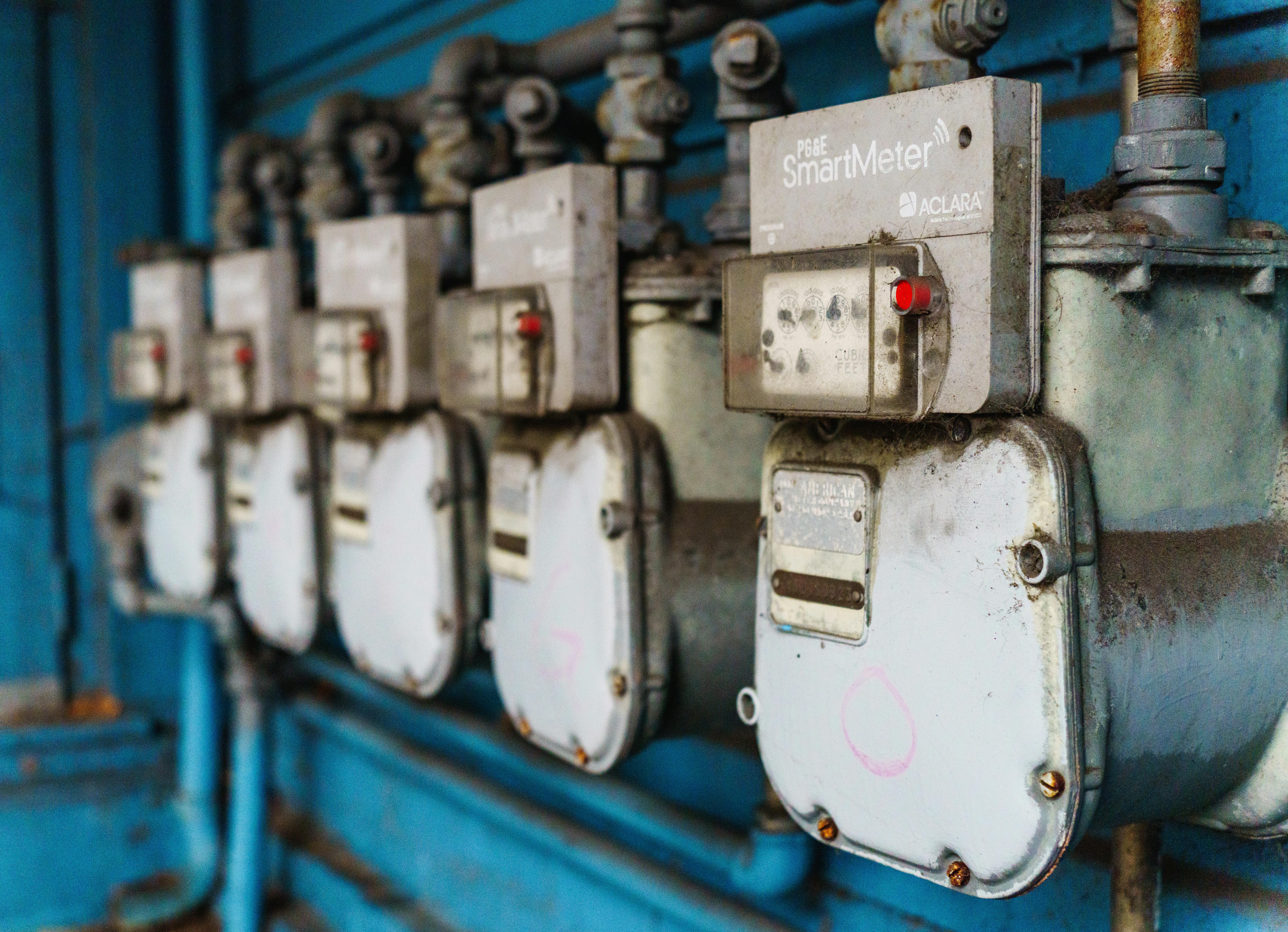
Optimizing industrial systems requires a delicate balance between energy consumption and water usage. Modern loop optimization strategies unlock unprecedented efficiency gains when properly calibrated.

🔄 The Critical Intersection of Energy and Water Systems
In today’s industrial landscape, the relationship between energy and water has never been more important. These two resources function as the lifeblood of manufacturing, processing, and cooling operations worldwide. Understanding how they interact within closed-loop systems represents a fundamental challenge that engineers and facility managers face daily.
Loop optimization refers to the systematic approach of improving the performance of recirculating systems where water, steam, or other fluids transport energy throughout industrial facilities. These systems include cooling towers, heat exchangers, condensate return lines, and chilled water loops that collectively consume substantial amounts of both energy and water.
The interdependence between these resources creates a complex optimization problem. Reducing water consumption often requires increased energy input for treatment or recycling. Conversely, minimizing energy usage can lead to higher water demands for cooling or process requirements. Finding the sweet spot where both resources are used efficiently defines successful loop optimization.
💡 Understanding the Energy-Water Nexus
The energy-water nexus describes the inherent connection between water used for energy production and energy required for water processing. In industrial loop systems, this relationship manifests in multiple ways that directly impact operational costs and environmental footprint.
Water requires energy at every stage of its lifecycle—extraction, treatment, distribution, heating or cooling, and wastewater management. Similarly, virtually all energy production methods require water for cooling, processing, or steam generation. This circular dependency means that optimizing one without considering the other results in suboptimal performance.
Quantifying the Trade-offs
Industrial facilities typically face several critical trade-off scenarios when optimizing loop performance. Increasing water circulation rates can improve heat transfer efficiency, reducing the energy needed for heating or cooling processes. However, this approach demands more pumping energy and potentially increases water treatment requirements.
Alternative strategies like reducing flow rates to conserve pumping energy may necessitate lower operating temperatures or higher water volumes to maintain the same heat transfer capacity. Each adjustment ripples through the system, affecting multiple performance parameters simultaneously.
🎯 Key Parameters for Maximum Loop Performance
Achieving optimal balance requires monitoring and adjusting several fundamental parameters that govern loop behavior. These variables interact in complex ways, making systematic analysis essential for performance improvements.
Flow Rate Optimization
Flow rate represents one of the most influential variables in loop systems. Too high, and pumping costs escalate unnecessarily. Too low, and heat transfer efficiency suffers, requiring compensatory measures elsewhere in the system.
The relationship between flow rate and energy consumption follows a cubic law for pumping energy—doubling the flow rate increases pumping power by roughly eight times. This dramatic scaling means that even modest reductions in unnecessary flow can yield substantial energy savings.
Temperature Differential Management
The temperature difference between supply and return lines directly impacts system efficiency. Larger temperature differentials allow more heat transfer per unit of water circulated, reducing flow requirements and associated pumping energy.
However, maximizing temperature differential isn’t always optimal. Equipment limitations, process requirements, and water quality considerations may constrain achievable temperature ranges. Finding the economically optimal differential requires comprehensive analysis of system capabilities and constraints.
Pressure Optimization Strategies
System pressure affects pump energy consumption, equipment stress, and potential for water loss through leaks. Many facilities operate at unnecessarily high pressures, creating avoidable energy waste and maintenance challenges.
Variable frequency drives on pumps enable dynamic pressure adjustment based on real-time demand, eliminating the energy waste associated with throttling valves or bypass loops. This technology represents one of the highest-return investments in loop optimization.
⚙️ Advanced Technologies Enabling Better Balance
Modern sensor networks and control systems provide unprecedented visibility into loop performance. Real-time monitoring of temperature, pressure, flow rate, and water quality parameters enables responsive optimization that adapts to changing conditions.
Smart Sensors and IoT Integration
Internet-connected sensors throughout loop systems generate continuous performance data. This information feeds advanced analytics platforms that identify inefficiencies, predict maintenance needs, and recommend operational adjustments.
Machine learning algorithms can detect subtle patterns in system behavior that indicate developing problems or optimization opportunities. Predictive maintenance based on actual equipment condition rather than fixed schedules reduces both energy waste from degraded performance and water loss from undetected leaks.
Automated Control Systems
Building automation systems with sophisticated control logic can balance multiple objectives simultaneously. These systems adjust setpoints, staging, and equipment operation to minimize combined energy and water consumption while maintaining process requirements.
Model predictive control takes automation further by using mathematical models of system behavior to anticipate future conditions and optimize control actions proactively rather than reactively. This approach yields better performance than conventional feedback control, especially in systems with significant thermal mass or response delays.
📊 Measuring Success: KPIs for Balanced Optimization
Effective optimization requires clear metrics that capture both energy and water performance. Traditional key performance indicators often focus on single resources, missing the integrated picture necessary for true optimization.
| Metric | Description | Target Direction |
|---|---|---|
| Energy Use Intensity (EUI) | Energy consumed per unit of production | Minimize |
| Water Use Efficiency (WUE) | Water consumed per unit of energy removed | Minimize |
| Combined Resource Cost | Total energy plus water costs normalized | Minimize |
| System Effectiveness | Ratio of actual to theoretical minimum resource use | Maximize |
Composite metrics that incorporate both resources provide better guidance for optimization decisions. A resource cost index combining energy and water expenses weighted by local utility rates helps prioritize improvements with the greatest economic impact.
💧 Water Quality’s Hidden Impact on Energy Efficiency
Water quality significantly affects loop energy consumption through its influence on heat transfer efficiency and equipment performance. Scale buildup, biological fouling, and corrosion all degrade heat exchanger effectiveness, forcing systems to work harder to achieve the same results.
Treatment Strategies and Energy Implications
Chemical water treatment prevents fouling and corrosion but requires energy for chemical production, transportation, and application. Alternative treatment methods like UV sterilization or ozone generation trade chemical costs for direct electrical consumption.
Optimal treatment balances the energy penalty of treatment itself against the energy savings from maintained heat transfer efficiency. Under-treatment leads to fouling and rising energy consumption. Over-treatment wastes resources on unnecessary chemical or energy inputs.
Blowdown Optimization
Cooling tower blowdown removes concentrated minerals to prevent scale formation. Excessive blowdown wastes both treated water and the energy invested in heating or cooling that water. Insufficient blowdown allows concentration buildup that degrades performance and damages equipment.
Continuous water quality monitoring enables precise blowdown control based on actual conditions rather than conservative estimates. This precision reduces water waste while maintaining optimal chemistry for efficient heat transfer.
🔧 Practical Implementation Strategies
Transitioning from current operations to optimized loop performance requires systematic planning and phased implementation. Attempting too many changes simultaneously creates confusion and makes it difficult to attribute improvements to specific actions.
Assessment and Baseline Establishment
Comprehensive energy and water audits establish baseline performance and identify major improvement opportunities. Detailed measurements reveal how resources are currently consumed and where inefficiencies exist.
Submetering different system components or processes isolates consumption patterns and enables targeted interventions. Understanding which equipment, processes, or time periods account for disproportionate resource use focuses improvement efforts on high-impact areas.
Prioritization Based on ROI
Not all optimization opportunities offer equal returns. Calculating the return on investment for potential improvements helps allocate limited capital to projects with the fastest payback and greatest long-term benefit.
- Low-cost operational changes like setpoint adjustments and scheduling modifications
- Medium-investment equipment upgrades including variable frequency drives and enhanced controls
- Major capital projects such as equipment replacement or system redesign
- Emerging technologies requiring significant investment but offering substantial long-term gains
Continuous Monitoring and Adjustment
Optimization isn’t a one-time project but an ongoing process. System performance drifts over time due to equipment wear, process changes, and external conditions. Regular performance reviews identify degradation and trigger corrective actions before small inefficiencies become major problems.
Establishing a culture of continuous improvement ensures that optimization remains a priority rather than a forgotten initiative. Training operators to recognize efficiency opportunities and empowering them to implement improvements creates sustainable performance gains.
🌍 Sustainability Benefits Beyond Cost Savings
While economic returns drive most optimization projects, environmental and social benefits often exceed the direct financial value. Reduced energy consumption lowers greenhouse gas emissions, contributing to climate change mitigation goals.
Water conservation becomes increasingly critical as many regions face growing water scarcity. Industrial facilities that reduce water consumption help preserve this essential resource for communities and ecosystems. This stewardship builds social license to operate and enhances corporate reputation.
Regulatory Compliance and Future-Proofing
Increasingly stringent environmental regulations make proactive optimization a risk management strategy. Facilities that achieve high efficiency today position themselves favorably for future regulatory requirements that may mandate performance standards or carbon pricing.
Early adoption of best practices also provides operational experience and institutional knowledge that competitors lack. This expertise becomes a competitive advantage as efficiency expectations rise across industries.
🚀 Emerging Trends Shaping Future Optimization
Several technological and methodological advances promise to enhance loop optimization capabilities in coming years. Staying informed about these developments helps facilities plan strategic investments and maintain competitive performance.
Artificial Intelligence and Machine Learning
AI algorithms can optimize multiple variables simultaneously across complex systems with interactions that exceed human analytical capacity. These systems learn from operational data to improve their performance over time, continuously refining optimization strategies.
Digital twins—virtual replicas of physical systems—enable risk-free testing of optimization strategies before implementation. Engineers can simulate proposed changes and predict their impacts on both energy and water consumption with high accuracy.
Advanced Materials and Equipment
New heat exchanger designs with enhanced surfaces improve heat transfer efficiency, enabling greater performance from smaller equipment or reduced energy consumption for the same capacity. Corrosion-resistant materials extend equipment life and maintain efficiency longer.
Next-generation pumps with improved hydraulic designs and motor efficiencies reduce pumping energy requirements. Magnetic bearing technology eliminates friction losses and maintenance requirements associated with traditional bearings.
🎓 Building Organizational Capability
Technology and equipment provide the tools for optimization, but human expertise determines how effectively those tools are used. Developing organizational capability through training, knowledge sharing, and cross-functional collaboration ensures sustained performance improvement.
Cross-training between energy management and water management functions breaks down silos that prevent integrated optimization. When specialists understand how their decisions affect other resource systems, they make better choices that benefit overall performance.
Engaging operators who interact with systems daily captures valuable insights that remote monitoring might miss. These frontline workers often recognize efficiency opportunities or developing problems before they appear in aggregate data.

⚡ Realizing the Full Potential
Balancing energy and water in loop optimization delivers compelling benefits across economic, environmental, and operational dimensions. Facilities that embrace integrated resource management position themselves for sustained success in an increasingly resource-constrained world.
The path to maximum performance begins with understanding current consumption patterns, identifying optimization opportunities, and implementing improvements systematically. Advanced technologies enable unprecedented control and efficiency, but fundamental principles of heat transfer, fluid dynamics, and system thinking remain essential.
Success requires commitment from leadership, engagement from operators, and persistence through the inevitable challenges of change. Organizations that cultivate optimization expertise and make resource efficiency a core value rather than a peripheral concern will reap rewards far exceeding initial expectations.
The future belongs to facilities that master the intricate dance between energy and water consumption, extracting maximum value from every unit of both resources while minimizing environmental impact. This balanced approach transforms resource management from a cost center into a strategic advantage that enhances competitiveness and sustainability simultaneously.