Water management is undergoing a profound transformation as industries embrace hydro-loop optimization technologies to minimize waste, reduce costs, and enhance sustainability in real-world facilities.

🌊 The Evolution of Industrial Water Management
Industrial facilities worldwide face mounting pressure to optimize water usage while maintaining operational efficiency. Traditional linear water systems, where water enters a facility, serves a single purpose, and exits as wastewater, are becoming economically and environmentally unsustainable. The concept of hydro-loop optimization represents a paradigm shift toward circular water management systems that recirculate, treat, and reuse water within closed or semi-closed loops.
Manufacturing plants, power generation facilities, food processing centers, and chemical plants consume enormous quantities of water daily. In many cases, up to 60% of this water could be recovered and reused through properly designed hydro-loop systems. This revolutionary approach not only conserves precious freshwater resources but also significantly reduces operational expenses related to water procurement, heating, cooling, and wastewater treatment.
Understanding Hydro-Loop Systems in Modern Facilities
A hydro-loop system functions as a sophisticated network where water circulates through multiple stages of use, treatment, and reuse. Unlike conventional once-through systems, these loops are designed with specific treatment nodes that restore water quality to appropriate standards for its next application. The optimization aspect involves precisely calibrating flow rates, treatment intensities, and distribution patterns to maximize efficiency while minimizing energy consumption and chemical usage.
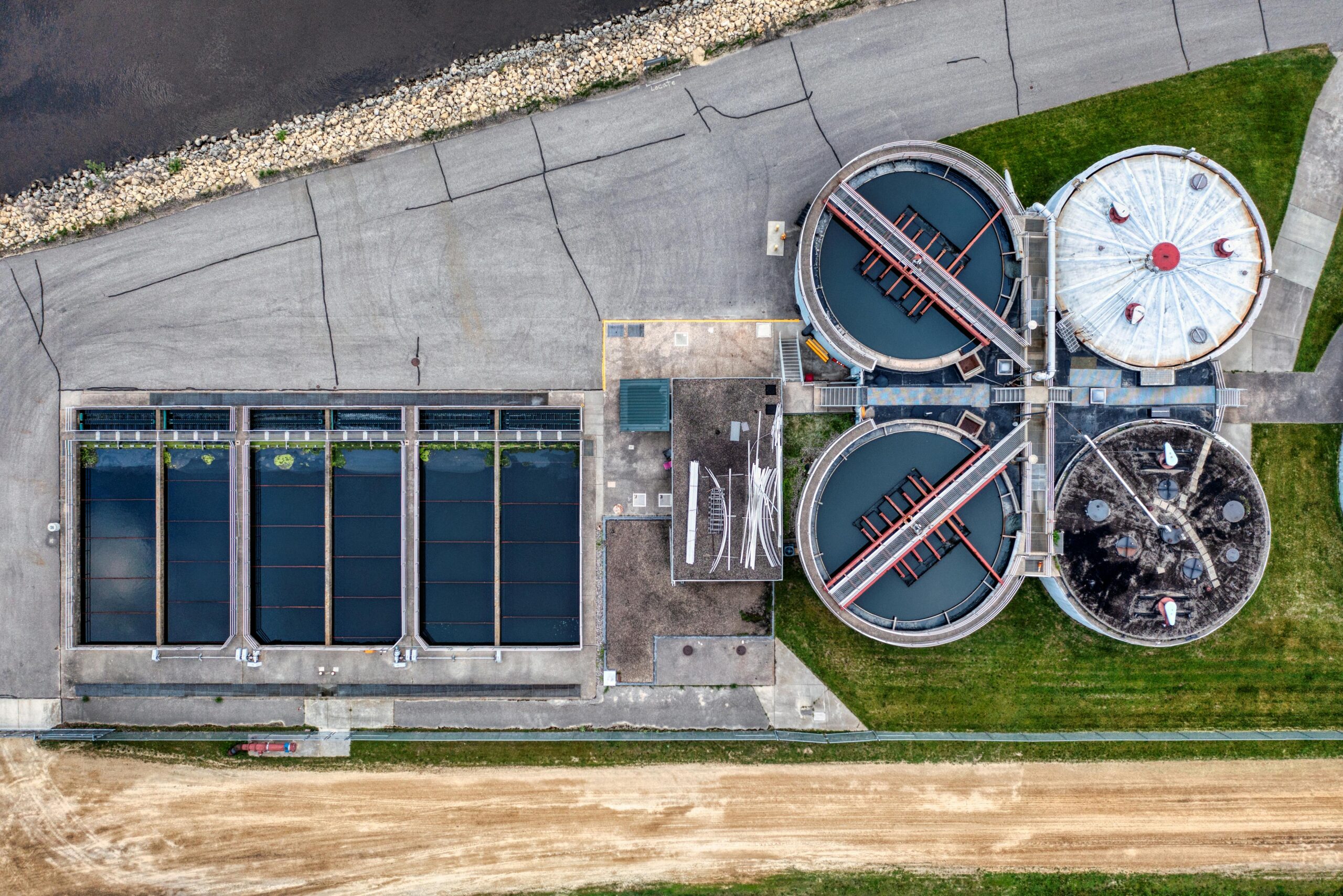
The architecture of a hydro-loop typically includes primary use points, collection systems, treatment modules, storage reservoirs, and redistribution networks. Advanced sensors monitor water quality parameters continuously, including temperature, pH levels, dissolved solids, biological oxygen demand, and specific contaminants relevant to the facility’s operations. This real-time data feeds into control systems that dynamically adjust treatment processes and flow patterns.
Key Components of Optimized Hydro-Loop Infrastructure
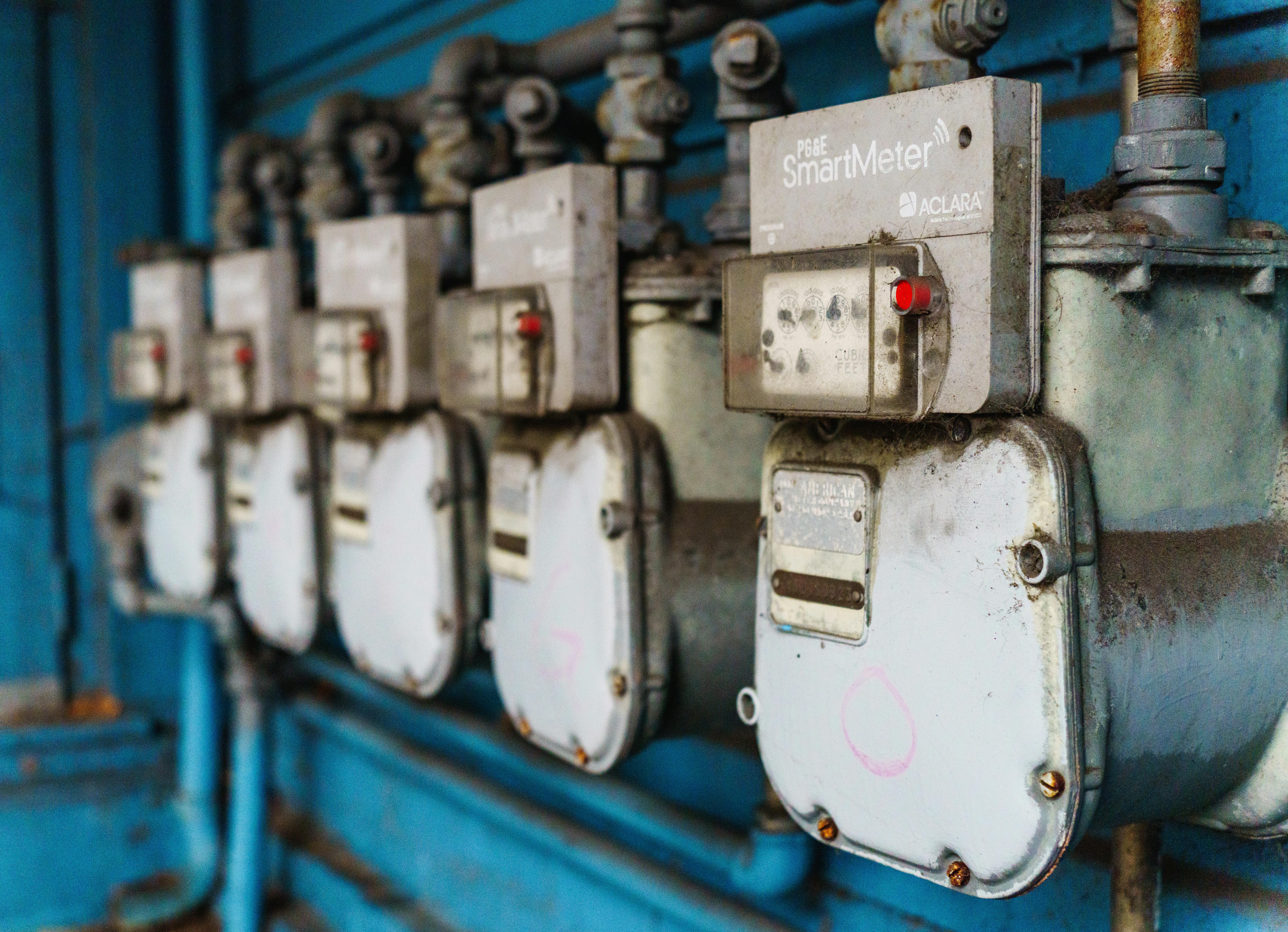
Modern hydro-loop systems integrate several critical components working in harmony. Smart metering devices track water consumption at every junction, providing granular data about usage patterns. Filtration systems ranging from simple mechanical screens to advanced membrane technologies remove particulates and dissolved contaminants. Biological treatment units leverage microorganisms to break down organic matter, while chemical dosing systems maintain water chemistry within specified parameters.
Energy recovery mechanisms represent another crucial element, capturing thermal energy from warm wastewater streams to preheat incoming cold water. This heat exchange capability can reduce overall facility energy consumption by 15-30%. Automated valves and pumps respond to control signals, directing water flows along optimal pathways based on current facility demands and water quality conditions.
🔧 Real-World Implementation Strategies
Implementing hydro-loop optimization in existing facilities presents unique challenges compared to greenfield installations. Retrofitting requires careful assessment of current water infrastructure, identification of integration points, and phased implementation to avoid disrupting ongoing operations. Successful projects typically begin with comprehensive water audits that map all water inputs, uses, and outputs while quantifying quality requirements for each application.
Case studies from manufacturing sectors demonstrate the practical benefits. An automotive assembly plant in Germany implemented a multi-stage hydro-loop system that reduced freshwater consumption by 68% within the first year. The facility now operates three distinct water quality loops: high-purity water for painting operations, medium-quality water for parts washing, and low-quality water for cooling towers and landscaping. Each loop incorporates appropriate treatment technologies matched to its quality requirements.
Overcoming Implementation Barriers
Financial considerations often dominate initial discussions about hydro-loop projects. Capital expenditure requirements can be substantial, particularly for advanced treatment technologies and control systems. However, return on investment calculations increasingly favor these systems as water prices rise and regulatory requirements tighten. Most industrial implementations achieve payback periods between 3-7 years, with some water-intensive operations seeing returns within 18-24 months.
Technical challenges include dealing with legacy infrastructure, managing seasonal variations in water availability and quality, and ensuring system reliability. Facilities must maintain redundancy in critical components to prevent water supply interruptions during maintenance or equipment failures. Staff training represents another essential element, as operators need to understand the complexities of multi-loop systems and respond appropriately to changing conditions.
Advanced Technologies Driving Optimization
Artificial intelligence and machine learning algorithms are revolutionizing hydro-loop management. These systems analyze vast quantities of sensor data to identify patterns, predict maintenance needs, and optimize treatment parameters in real-time. Predictive models can forecast water demand based on production schedules, weather conditions, and historical patterns, allowing proactive adjustments that prevent waste and ensure adequate supply.
Digital twin technology creates virtual replicas of physical hydro-loop systems, enabling operators to test scenarios, troubleshoot problems, and optimize configurations without impacting actual operations. These simulations can model the effects of changing production volumes, different treatment chemical combinations, or equipment modifications before implementing changes in the real facility.
IoT Integration and Remote Monitoring
Internet of Things (IoT) devices have transformed water management from a reactive discipline to a proactive science. Wireless sensors distributed throughout facilities continuously transmit data to centralized platforms accessible from anywhere. Maintenance teams receive instant alerts when parameters drift outside acceptable ranges, enabling rapid response before minor issues escalate into costly problems.
Cloud-based management platforms aggregate data from multiple facilities, allowing corporate sustainability teams to benchmark performance, share best practices, and identify optimization opportunities across entire organizations. These platforms often incorporate dashboards that visualize water flows, treatment efficiency, cost savings, and environmental impacts in intuitive formats suitable for both technical operators and executive decision-makers.
💧 Environmental and Economic Impacts
The environmental benefits of hydro-loop optimization extend beyond water conservation. Reduced freshwater extraction lessens stress on local watersheds and aquatic ecosystems. Decreased wastewater discharge minimizes pollutant loading to receiving waters, improving downstream water quality. Energy savings from reduced pumping, heating, and treatment translate directly to lower greenhouse gas emissions.
Economic advantages accrue at multiple levels. Direct water cost reductions appear immediately as consumption decreases. Many jurisdictions implement tiered pricing structures where marginal costs increase significantly at higher usage levels, making conservation particularly valuable for large users. Wastewater treatment and discharge fees decrease proportionally with volume reductions. Some facilities have eliminated discharge entirely by achieving zero-liquid discharge status through advanced hydro-loop systems.
Regulatory Compliance and Risk Management
Increasingly stringent water regulations make hydro-loop optimization an attractive compliance strategy. Facilities that reduce water consumption and improve effluent quality position themselves favorably with regulatory agencies. Some regions offer expedited permitting, reduced monitoring requirements, or financial incentives for facilities demonstrating exceptional water stewardship.
Risk management considerations also favor optimized systems. Water scarcity events, whether caused by drought, infrastructure failures, or competing demands, pose significant operational risks. Facilities with robust hydro-loop systems maintain greater operational resilience during water supply disruptions, providing competitive advantages and ensuring business continuity.
Industry-Specific Applications and Adaptations
Different industrial sectors require tailored approaches to hydro-loop optimization. Food and beverage facilities must maintain stringent hygiene standards, often necessitating separate loops for process water contact with products versus non-contact applications like cooling and cleaning. Pharmaceutical manufacturers face even more rigorous quality requirements, with some water loops requiring continuous disinfection and validation.
Power generation facilities, particularly thermal plants, circulate massive water volumes for cooling purposes. Optimized hydro-loops in these settings focus on maximizing cooling efficiency while minimizing blowdown losses. Chemical plants deal with diverse water quality challenges, requiring specialized treatment approaches for different process streams. Mining operations increasingly implement hydro-loops to manage water in arid regions where freshwater access is severely limited.
Scaling Solutions for Different Facility Sizes
Hydro-loop optimization isn’t exclusive to large industrial complexes. Small and medium-sized facilities can implement scaled solutions appropriate to their operations. Modular treatment systems offer flexibility, allowing facilities to start with basic configurations and expand capabilities as needs evolve or budgets allow. Even simple interventions like segregating clean cooling water from contaminated process streams can yield significant benefits.
Commercial buildings, hospitals, and institutional facilities are also adopting hydro-loop principles. Greywater recycling systems capture water from sinks, showers, and laundry for reuse in toilet flushing and irrigation. Some advanced buildings incorporate rainwater harvesting, greywater treatment, and blackwater processing in integrated loops that dramatically reduce municipal water demands.
🚀 Future Trends and Innovations
The trajectory of hydro-loop technology points toward increasingly autonomous, efficient, and intelligent systems. Researchers are developing novel treatment materials including graphene-based filters, biomimetic membranes inspired by natural processes, and catalytic systems that break down contaminants using minimal energy. These advances promise to make water treatment less expensive, more effective, and more compact.
Blockchain technology may soon play a role in water management, creating transparent, tamper-proof records of water usage, treatment, and quality. This could facilitate water trading between facilities, enable more sophisticated regulatory compliance reporting, and support sustainability certification schemes. Distributed ledger systems might also coordinate water sharing arrangements between multiple facilities in industrial parks or watersheds.
Integration with Renewable Energy Systems
The synergy between hydro-loop optimization and renewable energy is becoming increasingly apparent. Solar-powered pumping and treatment systems eliminate reliance on grid electricity, further reducing operational costs and environmental impacts. Some facilities are exploring the use of biogas generated from wastewater treatment to power water heating or other processes, creating truly circular resource management systems.
Energy storage capabilities inherent in water systems themselves present intriguing opportunities. Facilities can use excess renewable energy during peak production periods to pump water to elevated storage or perform energy-intensive treatment processes, then reduce energy consumption during high-cost periods. This load-shifting capability provides value beyond water management, contributing to grid stability and reducing overall energy expenses.
Building Organizational Capacity for Optimization
Technical systems alone cannot ensure successful hydro-loop optimization. Organizational culture, staff capabilities, and management commitment are equally critical. Facilities must invest in training programs that develop water expertise among operators, maintenance personnel, and supervisors. Cross-functional teams bringing together operations, engineering, environmental, and financial perspectives are most effective at identifying opportunities and implementing solutions.
Performance metrics and accountability structures drive continuous improvement. Leading facilities establish clear water efficiency targets, track progress against benchmarks, and incorporate water performance into employee evaluations and incentive programs. Celebrating successes, sharing lessons learned, and maintaining visible leadership commitment sustain momentum over the long term.
⚙️ Practical Steps Toward Implementation
Organizations interested in hydro-loop optimization should begin with thorough assessment and planning. Water audits identify current consumption patterns, quality requirements, and potential optimization opportunities. Engaging experienced consultants can accelerate this process and help avoid common pitfalls. Pilot projects allow organizations to test concepts, refine approaches, and build internal expertise before committing to facility-wide implementations.
Financial planning should account for both capital investments and ongoing operational costs while realistically projecting savings and benefits. Exploring available incentives, grants, and financing programs can improve project economics. Some facilities leverage performance contracting arrangements where third-party providers install and maintain systems in exchange for sharing the resulting cost savings.
Stakeholder engagement throughout the process ensures alignment and support. Communicating plans and progress to employees, regulators, community members, and corporate leadership builds understanding and enthusiasm. Transparent reporting of results, including both successes and challenges, establishes credibility and demonstrates commitment to continuous improvement.
Transforming Water Management for a Sustainable Future
Hydro-loop optimization represents more than incremental improvement in water efficiency—it embodies a fundamental reimagining of how facilities interact with water resources. As climate change intensifies water scarcity, populations grow, and regulatory standards tighten, optimized water management transitions from competitive advantage to business necessity. Early adopters are establishing best practices, developing expertise, and reaping financial benefits while positioning themselves as sustainability leaders.
The technologies, methodologies, and business cases for hydro-loop optimization continue maturing rapidly. What seemed cutting-edge just a few years ago is becoming standard practice in forward-thinking organizations. The facilities that thrive in coming decades will be those that view water not as an unlimited commodity to be consumed and discarded, but as a precious resource to be managed with precision, reused thoughtfully, and stewarded responsibly for future generations.
The revolution in water management is underway, driven by innovation, necessity, and growing recognition that environmental sustainability and operational excellence are not competing priorities but complementary objectives. Hydro-loop optimization in real facilities demonstrates that with appropriate technology, commitment, and expertise, industries can dramatically reduce their water footprints while enhancing efficiency and profitability—a truly transformative achievement for the 21st century.