Modern agriculture stands at a crossroads where technology meets sustainability, and hydro-loop optimization emerges as a game-changing solution for precision irrigation systems worldwide.

🌱 Understanding Hydro-loop Systems in Agricultural Context
Hydro-loop optimization represents a revolutionary approach to water management in precision agriculture. Unlike traditional irrigation methods that operate on linear water distribution models, hydro-loop systems create circular pathways that continuously recirculate water throughout the agricultural infrastructure. This closed-loop methodology ensures that every drop of water serves a purpose, minimizing waste while maximizing crop exposure to essential nutrients and moisture.
The fundamental principle behind hydro-loop systems lies in their ability to monitor, adjust, and respond to real-time crop needs. These sophisticated networks integrate sensors, actuators, and intelligent control systems that work harmoniously to deliver precise amounts of water exactly where and when crops need it most. The result is a dynamic irrigation ecosystem that adapts to changing environmental conditions, soil moisture levels, and plant growth stages.
💧 The Science Behind Precision Irrigation Optimization
Precision agriculture irrigation goes far beyond simply turning sprinklers on and off. It involves a complex interplay of data collection, analysis, and automated response mechanisms. Hydro-loop optimization takes this concept to unprecedented levels by incorporating continuous feedback loops that learn from every irrigation cycle.
At the heart of this technology lies advanced soil moisture sensing. Modern sensors penetrate various soil depths, providing three-dimensional moisture mapping across entire fields. This data streams continuously to central processing units that analyze moisture gradients, evapotranspiration rates, and weather forecasts to predict future water requirements with remarkable accuracy.
Key Components of Optimized Hydro-loop Systems
- Multi-depth soil moisture sensors with wireless connectivity
- Weather stations providing micro-climate data
- Variable rate irrigation controllers with zone-specific programming
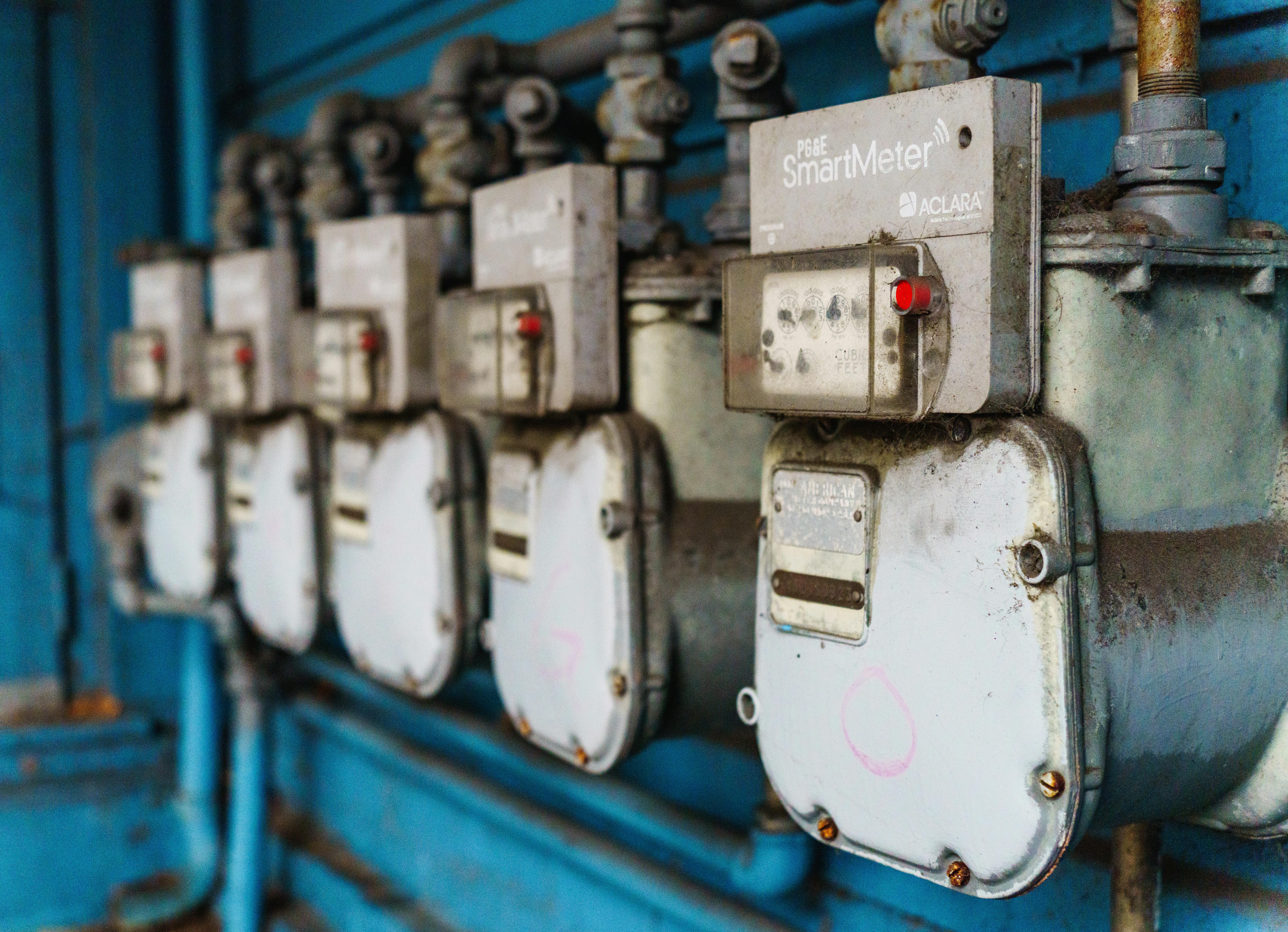
- Water flow meters monitoring consumption patterns
- Nutrient injection systems synchronized with irrigation schedules
- Mobile and desktop monitoring interfaces for remote management
- Machine learning algorithms that improve efficiency over time
🚜 Implementing Hydro-loop Technology in Different Crop Systems
The versatility of hydro-loop optimization makes it applicable across diverse agricultural contexts. From expansive wheat fields to intensive greenhouse operations, the underlying principles remain consistent while implementation details vary significantly based on crop type, climate conditions, and operational scale.
For row crops like corn and soybeans, hydro-loop systems typically employ drip tape or subsurface drip irrigation integrated with soil moisture monitoring networks. The closed-loop design allows excess water to be captured, filtered, and reintroduced into the system, dramatically reducing water consumption compared to traditional center-pivot irrigation.
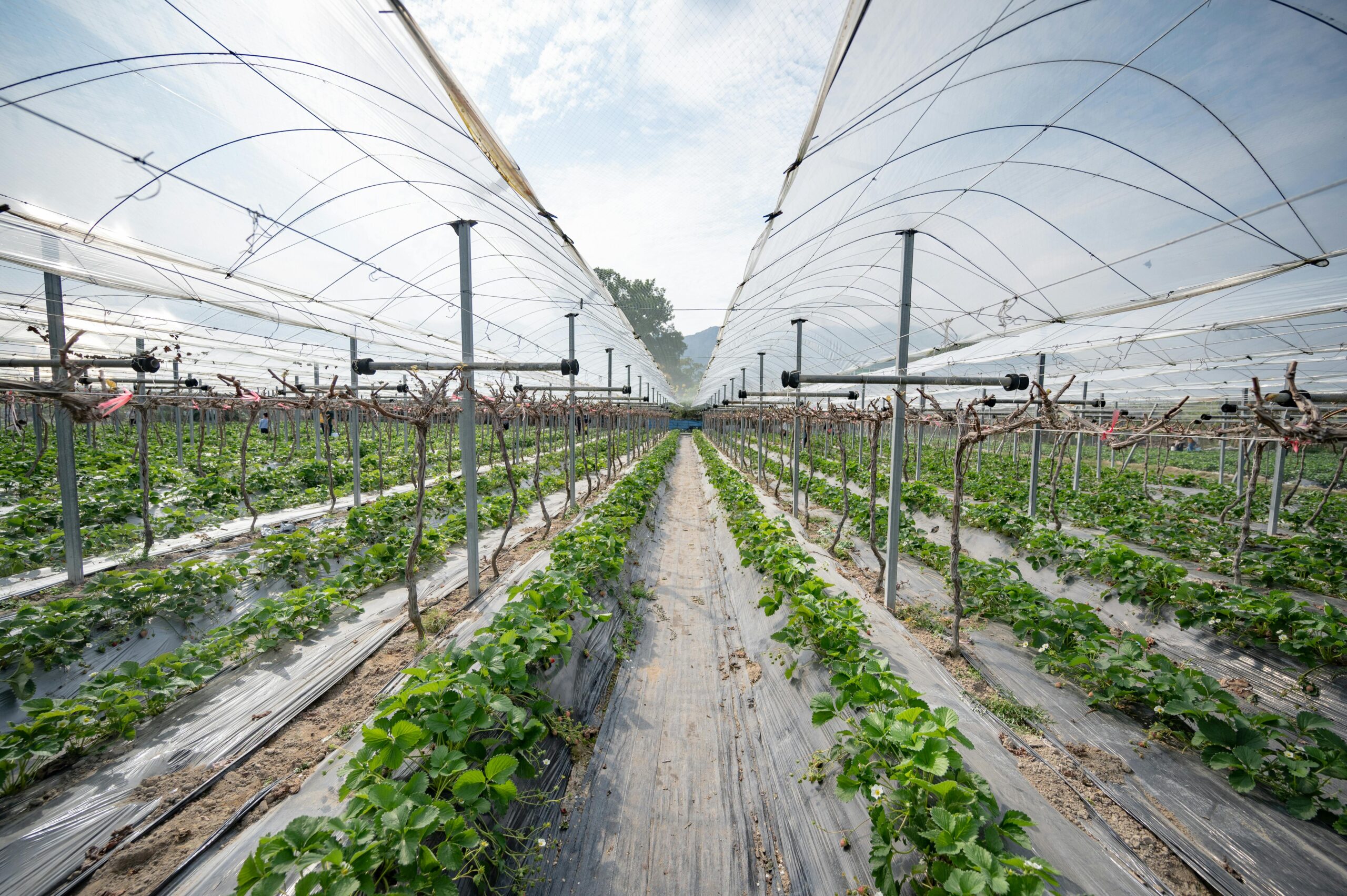
Orchard and vineyard operations benefit immensely from tree-specific irrigation zones within the hydro-loop framework. Each tree or vine cluster can receive individualized water delivery based on its specific growth stage, fruit load, and root zone characteristics. This level of precision was previously impossible with conventional irrigation approaches.
Greenhouse Applications: Where Hydro-loop Shines Brightest
Controlled environment agriculture represents the ideal testing ground for hydro-loop optimization. Greenhouses provide stable conditions where sensor accuracy reaches its peak, and the closed nature of the facility makes water recirculation especially practical. Hydroponic and aquaponic systems naturally lend themselves to hydro-loop designs, as water circulation is already integral to their operation.
Advanced greenhouse hydro-loop systems can achieve water use efficiency rates exceeding 95%, meaning less than 5% of introduced water leaves the system as waste. This remarkable efficiency stems from precise delivery mechanisms, comprehensive recycling protocols, and real-time adjustments based on plant transpiration rates.
📊 Quantifying the Benefits: Yield Increases and Resource Savings
The promise of hydro-loop optimization extends beyond theoretical advantages into measurable, bottom-line improvements. Research from agricultural universities and commercial operations worldwide demonstrates consistent patterns of enhanced productivity and reduced input costs.
| Crop Type | Average Yield Increase | Water Savings | Energy Reduction |
|---|---|---|---|
| Tomatoes (Greenhouse) | 18-25% | 40-50% | 30-35% |
| Corn (Field) | 12-18% | 25-35% | 20-25% |
| Lettuce (Hydroponic) | 20-30% | 45-55% | 25-30% |
| Almonds (Orchard) | 15-22% | 30-40% | 15-20% |
These improvements result from multiple synergistic factors. Optimal soil moisture levels promote robust root development, which enhances nutrient uptake and overall plant vigor. Consistent water availability eliminates stress cycles that can permanently reduce yield potential, even if plants later receive adequate water.
🔧 Overcoming Implementation Challenges
Despite compelling advantages, hydro-loop optimization faces several barriers to widespread adoption. Initial capital investment represents the most significant hurdle for many agricultural operations. A comprehensive system including sensors, controllers, piping infrastructure, and software platforms can require substantial upfront expenditure.
However, financial analysis consistently demonstrates positive return on investment timelines ranging from 18 months to four years, depending on crop value, water costs, and local climate conditions. Government programs and agricultural financing options increasingly recognize the long-term sustainability benefits and offer favorable terms for precision irrigation upgrades.
Technical Expertise and Training Requirements
Successful hydro-loop implementation demands more than just installing equipment. Operators need training in system monitoring, data interpretation, and troubleshooting. This knowledge gap has slowed adoption among traditional farming operations accustomed to simpler irrigation approaches.
Manufacturers and agricultural extension services have responded by developing comprehensive training programs, user-friendly interfaces, and remote support services. Modern systems increasingly feature intuitive dashboards that translate complex data into actionable recommendations, reducing the technical burden on operators.
🌍 Environmental and Sustainability Implications
The environmental case for hydro-loop optimization extends well beyond water conservation. Reduced water extraction protects aquifer levels and river ecosystems. Precise irrigation minimizes fertilizer runoff that contributes to algal blooms and water quality degradation in downstream areas.
Energy efficiency gains translate directly into reduced carbon footprints. Pumping water represents one of agriculture’s most energy-intensive operations, and hydro-loop systems typically reduce pumping requirements by 20-40% through optimized scheduling and reduced total water volumes.
Climate resilience represents another critical sustainability dimension. As weather patterns become less predictable and water resources face increasing pressure, agricultural systems capable of doing more with less become essential infrastructure for food security. Hydro-loop optimization provides exactly this capability.
🤖 Integration With Broader Precision Agriculture Ecosystems
Hydro-loop optimization delivers maximum value when integrated with complementary precision agriculture technologies. Variable rate application systems for fertilizers and crop protection products can synchronize with irrigation schedules, ensuring nutrients reach root zones when soil moisture conditions optimize uptake.
Satellite and drone imagery provide macro-level insights into crop health and vigor that complement ground-level sensor data. Machine learning algorithms can correlate imagery patterns with irrigation effectiveness, identifying areas where hydro-loop parameters need adjustment for optimal results.
Data Integration and Farm Management Platforms
Modern agricultural operations increasingly rely on comprehensive farm management software that consolidates data streams from multiple sources. Hydro-loop systems that offer open APIs and standard data formats integrate seamlessly into these platforms, providing irrigation insights alongside pest monitoring, equipment tracking, and financial management tools.
This holistic approach to data management enables sophisticated analysis that would be impossible with siloed systems. Farmers can identify correlations between irrigation timing, pest pressure, and market prices to optimize not just yield, but profitability across entire growing seasons.
💡 Future Innovations on the Horizon
The field of hydro-loop optimization continues evolving rapidly. Emerging technologies promise to make these systems even more effective, affordable, and accessible to operations of all scales.
Artificial intelligence advancements enable predictive irrigation models that anticipate plant needs days or weeks in advance. These systems analyze historical patterns, weather forecasts, and growth stage progression to preemptively adjust irrigation schedules before stress conditions develop.
Sensor technology continues advancing with lower costs and improved accuracy. Next-generation moisture sensors offer millimeter-scale precision at prices that make dense sensor networks economically viable even for moderate-value crops. Wireless mesh networks eliminate costly wiring infrastructure that previously limited sensor deployment in large fields.
Renewable Energy Integration
Solar-powered pumping and control systems are transforming hydro-loop economics in regions with abundant sunshine. Battery storage technology enables continuous operation regardless of cloud cover, while smart charging algorithms shift pumping operations to periods of maximum solar generation.
This renewable energy integration creates truly sustainable irrigation systems with minimal operating costs and near-zero carbon emissions. As solar panel and battery prices continue declining, this approach becomes increasingly attractive across diverse geographic contexts.
🎯 Strategic Implementation Roadmap for Farmers
Transitioning to hydro-loop optimization requires careful planning and phased implementation. Successful adopters typically begin with pilot projects on limited acreage, allowing operators to gain experience and demonstrate results before full-scale deployment.
The initial assessment phase should include comprehensive water audits identifying current irrigation efficiency levels and opportunities for improvement. Soil mapping establishes baseline conditions and helps determine optimal sensor placement. Professional consultation from precision agriculture specialists can prevent costly mistakes and ensure system design matches operational requirements.
Phased rollout strategies minimize financial risk while building organizational capacity. Starting with high-value crops or areas with known irrigation challenges provides quick wins that build confidence and justify continued investment. As operators gain experience and data accumulates, expansion to additional acreage becomes progressively easier.
🌾 Maximizing Returns Through Continuous Optimization
Installing hydro-loop infrastructure represents just the beginning of the optimization journey. True value emerges through ongoing refinement based on accumulating data and growing operator expertise. Annual reviews should examine irrigation performance across different field zones, crop varieties, and weather conditions to identify improvement opportunities.
Seasonal calibration ensures sensor accuracy remains high and control algorithms reflect current crop needs. Software updates from system manufacturers often include enhanced features and improved algorithms developed from aggregated data across their entire customer base.
Engaging with precision agriculture communities through online forums, conferences, and local grower groups facilitates knowledge exchange that accelerates learning curves. Successful hydro-loop operators often discover innovative applications and refinements that manufacturers never anticipated.
🚀 Transforming Agricultural Water Management for Generations
Hydro-loop optimization represents far more than incremental improvement to existing irrigation practices. It embodies a fundamental transformation in how agriculture approaches water management, shifting from reactive application to proactive orchestration of plant-water relationships.
The technology democratizes precision previously available only to the most advanced operations with unlimited resources. As costs decline and user interfaces simplify, even small-scale farmers gain access to irrigation optimization capabilities that rival industrial agricultural operations.
This democratization carries profound implications for global food security and environmental sustainability. When millions of farms worldwide adopt even modest improvements in water use efficiency, the cumulative impact on aquifer depletion, energy consumption, and agricultural productivity becomes transformative.
The journey toward universal adoption of hydro-loop optimization continues, driven by economic incentives, environmental imperatives, and technological advancement. Forward-thinking agricultural operations embracing these systems today position themselves as leaders in the sustainable farming practices that will define 21st-century agriculture. The convergence of water scarcity challenges, climate change pressures, and feeding growing populations makes hydro-loop optimization not just advantageous, but essential for agriculture’s sustainable future.