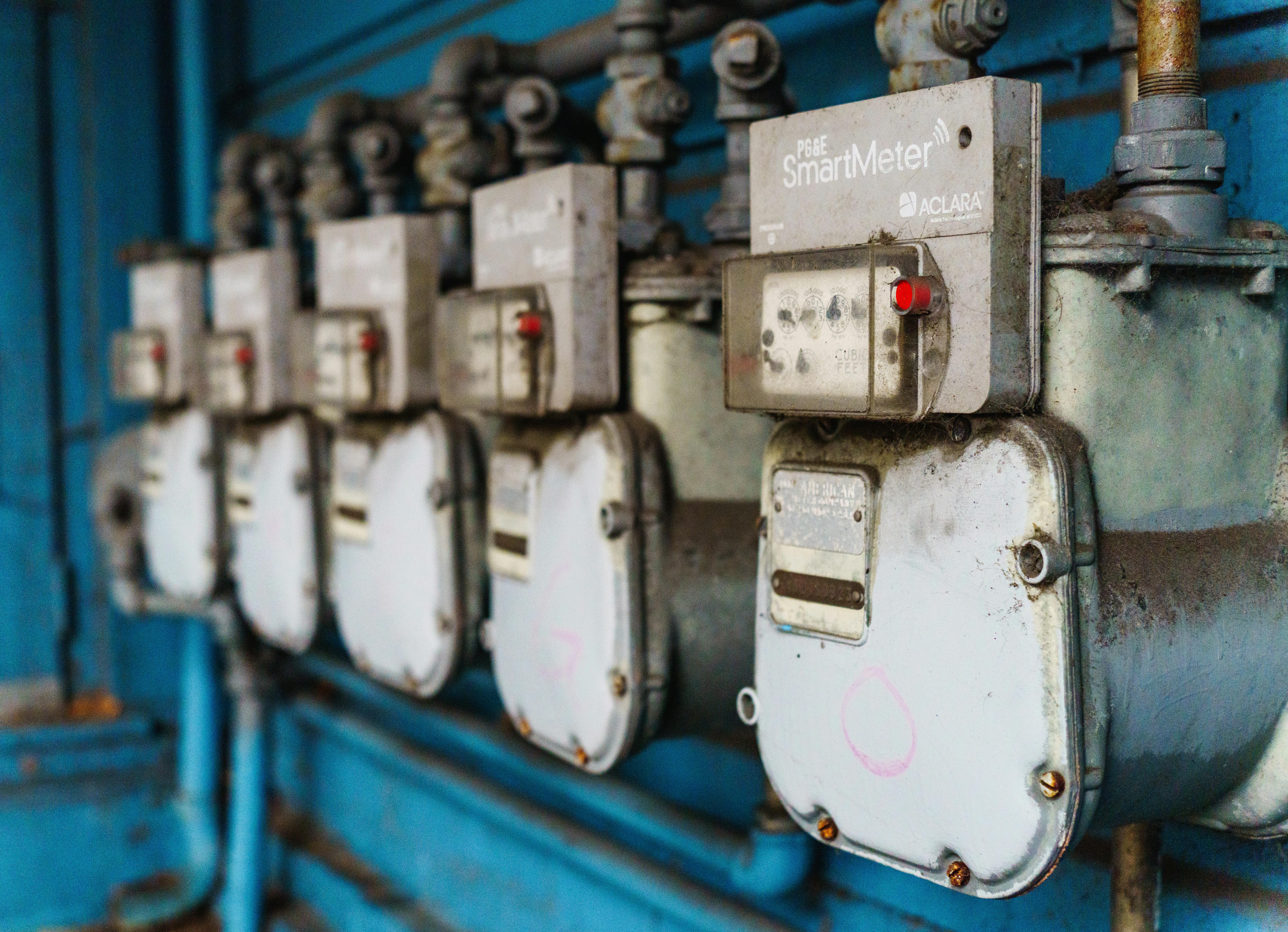
Achieving neutral discharge compliance is no longer optional—it’s essential for sustainable business operations and avoiding costly penalties in today’s regulatory environment.

As environmental regulations become increasingly stringent worldwide, businesses across all industries face mounting pressure to manage their wastewater and industrial discharge responsibly. Neutral discharge—the practice of treating effluent to meet specific pH, temperature, and contaminant levels before release—represents a critical compliance milestone that protects ecosystems while demonstrating corporate responsibility.
This comprehensive guide explores the strategic approaches, technologies, and management practices that enable organizations to master compliance requirements while optimizing operational efficiency. Whether you’re navigating federal EPA standards, state-level regulations, or international environmental protocols, understanding neutral discharge fundamentals is crucial for long-term business viability.
🔍 Understanding Neutral Discharge Regulations and Their Business Impact
Neutral discharge regulations vary significantly depending on jurisdiction, industry sector, and the receiving water body characteristics. At its core, neutral discharge requires that effluent meets established parameters before entering municipal systems or natural waterways, protecting infrastructure and environmental health simultaneously.
The Clean Water Act in the United States, similar legislation in the European Union, and comparable frameworks globally establish baseline requirements that businesses must meet. These regulations typically address pH levels (usually between 6.0-9.0), temperature thresholds, biochemical oxygen demand (BOD), chemical oxygen demand (COD), total suspended solids (TSS), and specific contaminant concentrations relevant to particular industries.
Non-compliance carries substantial consequences beyond immediate fines. Businesses face potential operational shutdowns, legal liability, reputational damage, increased insurance costs, and restricted access to contracts requiring environmental certifications. Conversely, organizations that exceed compliance standards often discover competitive advantages through reduced resource consumption, improved process efficiency, and enhanced brand value.
📊 Conducting a Comprehensive Discharge Assessment
Before implementing compliance strategies, businesses must thoroughly understand their current discharge characteristics and regulatory obligations. This assessment forms the foundation for effective compliance planning and resource allocation.
Begin by identifying all discharge points within your facility. Manufacturing operations, cooling systems, cleaning processes, and even routine maintenance activities may generate effluent requiring treatment. Each source presents unique characteristics demanding specific management approaches.
Next, conduct detailed water quality testing across multiple parameters. Partner with certified laboratories to establish baseline measurements for pH, temperature, dissolved solids, heavy metals, organic compounds, nutrients, and industry-specific contaminants. Seasonal variations and production cycle fluctuations should inform your sampling protocol to capture the full range of discharge characteristics.
Compare your results against applicable regulatory standards, identifying gaps between current performance and required targets. This gap analysis reveals priority areas demanding immediate attention versus opportunities for gradual improvement. Document findings comprehensively, as this information guides technology selection, budget planning, and timeline development.
Key Assessment Components
- Complete inventory of all water use and discharge points throughout facilities
- Comprehensive chemical and physical characterization of effluent streams
- Flow rate measurements under various operational conditions
- Regulatory requirement compilation from all applicable jurisdictions
- Historical compliance data analysis to identify patterns and recurring issues
- Potential environmental impact evaluation for receiving waters
- Infrastructure condition assessment for existing treatment systems
⚙️ Selecting Appropriate Treatment Technologies
Modern wastewater treatment encompasses diverse technologies suited to specific contaminant profiles and discharge volumes. Successful compliance strategies typically combine multiple treatment approaches in integrated systems tailored to unique operational requirements.
Physical treatment methods provide essential primary treatment, removing suspended solids and large particles through screening, sedimentation, and filtration. These processes reduce downstream treatment burden while recovering valuable materials in many industrial applications. Advanced filtration technologies including ultrafiltration and microfiltration offer increasingly refined particle removal capabilities.
Chemical treatment addresses dissolved contaminants and pH adjustment needs. Neutralization systems automatically dose acids or bases to maintain target pH ranges, while coagulation and flocculation processes aggregate fine particles for easier removal. Chemical precipitation removes specific metals and other dissolved substances, and advanced oxidation processes break down persistent organic compounds.
Biological treatment leverages microorganisms to metabolize organic contaminants, offering cost-effective solutions for facilities with appropriate wastewater characteristics. Activated sludge systems, membrane bioreactors, and constructed wetlands provide scalable options accommodating various footprints and performance requirements. These systems require careful operational management but deliver excellent results for biodegradable waste streams.
Technology Selection Criteria
| Factor | Considerations |
|---|---|
| Contaminant Profile | Match technology capabilities to specific pollutants requiring removal |
| Flow Volume | Scale systems appropriately for average and peak discharge rates |
| Space Availability | Balance treatment effectiveness with footprint constraints |
| Operating Costs | Evaluate energy, chemical, labor, and maintenance expenses |
| Reliability | Prioritize proven technologies with strong track records |
| Future Flexibility | Ensure systems can adapt to changing regulations and production needs |
💡 Implementing Source Reduction and Process Optimization
While treatment systems address end-of-pipe requirements, proactive source reduction strategies often deliver superior environmental and economic outcomes. By minimizing contaminant generation at the source, businesses reduce treatment system demands while improving overall efficiency.
Process optimization begins with comprehensive material flow analysis. Track chemical inputs, water usage, and waste generation across all operations to identify inefficiencies and opportunities for improvement. Small adjustments in manufacturing processes, cleaning protocols, or material handling can yield substantial reductions in discharge contaminant loads.
Water reuse and recycling programs significantly decrease discharge volumes while reducing freshwater consumption. Cooling water systems, rinse operations, and other applications often tolerate reclaimed water quality, enabling closed-loop systems that minimize both intake and discharge. Advanced treatment technologies make even challenging wastewater suitable for internal reuse in many applications.
Chemical substitution represents another powerful source reduction approach. Replace hazardous substances with safer alternatives that maintain performance while reducing treatment complexity and regulatory burden. Green chemistry principles guide the selection of biodegradable, non-toxic materials that simplify compliance while enhancing workplace safety.
📋 Establishing Robust Monitoring and Documentation Systems
Regulatory compliance demands continuous monitoring and meticulous documentation demonstrating consistent adherence to discharge standards. Effective monitoring systems provide early warning of potential violations while generating the records required during inspections and audits.
Automated monitoring equipment offers real-time data on critical parameters including pH, temperature, flow rate, and specific contaminant concentrations. Modern sensors integrate with control systems to trigger alarms and automated responses when measurements approach violation thresholds, preventing exceedances before they occur.
Establish comprehensive sampling protocols aligned with regulatory requirements and best practices. Composite sampling provides representative characterization of variable discharge streams, while grab samples capture instantaneous conditions during specific activities. Maintain proper chain of custody procedures and partner with certified laboratories for all required analyses.
Digital record-keeping systems centralize compliance documentation, facilitating efficient reporting and trend analysis. Cloud-based platforms enable real-time data access for multiple stakeholders while ensuring secure, long-term archival meeting regulatory retention requirements. These systems streamline reporting obligations and support continuous improvement initiatives through sophisticated analytics.
Essential Monitoring Parameters
- pH levels with continuous or frequent measurement depending on variability
- Temperature monitoring particularly for thermal discharge concerns
- Flow rate tracking to calculate total pollutant mass loadings
- BOD and COD measurements reflecting organic content
- Total suspended solids indicating particulate removal effectiveness
- Specific contaminants relevant to industrial processes and local regulations
- Treatment system performance metrics guiding operational adjustments
👥 Building a Culture of Environmental Compliance
Technology and procedures provide necessary tools, but organizational culture determines long-term compliance success. Businesses that integrate environmental responsibility into core values achieve superior outcomes compared to those treating compliance as merely regulatory checkbox-filling.
Leadership commitment establishes the foundation for effective environmental programs. When executives prioritize compliance and allocate appropriate resources, these values cascade throughout the organization. Regular communication about environmental performance, celebrating achievements, and transparently addressing challenges reinforces commitment at all levels.
Comprehensive training ensures every employee understands their role in maintaining compliance. Operations staff require detailed instruction on treatment system operation and troubleshooting, while general employees benefit from awareness training on pollution prevention and proper material handling. Role-specific training addresses the unique compliance responsibilities of different positions.
Incentive programs align individual and team goals with environmental objectives. Recognition systems celebrating compliance milestones, pollution prevention innovations, and proactive problem-solving encourage engagement beyond minimum requirements. Performance evaluations incorporating environmental metrics reinforce accountability throughout the organization.
🔄 Developing Effective Emergency Response Protocols
Despite best prevention efforts, operational upsets, equipment failures, and unexpected events may compromise discharge quality. Comprehensive emergency response protocols minimize environmental impact while demonstrating responsible management to regulators.
Emergency action plans document specific procedures for various scenarios including treatment system failures, chemical spills, power outages, and abnormal discharge detections. These plans identify responsible personnel, notification procedures, containment strategies, and corrective actions specific to your facility and regulatory requirements.
Containment infrastructure prevents or minimizes unauthorized discharges during emergencies. Secondary containment around chemical storage areas, emergency diversion systems routing upset conditions to holding tanks, and automatic shutoff valves triggered by monitoring systems provide critical safeguards protecting receiving waters.
Regular drills and tabletop exercises prepare teams for effective emergency response. Practice scenarios reveal procedural gaps, training needs, and opportunities for improvement before actual incidents occur. Post-drill reviews identify lessons learned and drive continuous enhancement of emergency preparedness.
📈 Leveraging Technology for Compliance Management
Digital transformation is revolutionizing environmental compliance management, offering sophisticated tools that enhance monitoring, reporting, and operational efficiency. Forward-thinking organizations embrace these technologies to gain competitive advantages while strengthening compliance programs.
Internet of Things (IoT) sensors provide unprecedented visibility into treatment system performance and discharge quality. Connected devices transmit continuous data to centralized platforms, enabling remote monitoring, predictive maintenance, and automated optimization. Machine learning algorithms identify patterns predicting potential issues before they manifest as compliance violations.
Environmental management software integrates monitoring data, regulatory requirements, reporting obligations, and operational procedures into unified platforms. These systems automate compliance calendars, generate required reports, track corrective actions, and maintain audit-ready documentation. Cloud-based solutions facilitate collaboration among distributed teams while providing stakeholders with real-time performance visibility.
Predictive analytics transform historical data into actionable intelligence guiding proactive management. Advanced algorithms forecast treatment system performance under varying operational conditions, optimize chemical dosing, predict maintenance needs, and identify emerging compliance risks. These insights enable resource optimization while maintaining consistent regulatory adherence.
🌍 Adapting to Evolving Regulatory Landscapes
Environmental regulations continuously evolve as scientific understanding advances and societal expectations increase. Successful businesses anticipate regulatory trends and proactively adapt rather than reactively scrambling to meet new requirements.
Engage actively with regulatory agencies, industry associations, and environmental organizations to stay informed about proposed rule changes and emerging compliance expectations. Participate in public comment periods and stakeholder meetings to understand regulatory direction while contributing business perspective to policy development.
Monitor regulatory developments beyond your immediate jurisdiction, as innovations in other regions often indicate future local requirements. California’s stringent environmental standards frequently presage federal regulations, while European Union directives influence global corporate practices. Proactive adaptation to leading standards positions businesses advantageously as requirements tighten.
Build flexibility into infrastructure investments and operational procedures to accommodate regulatory evolution without major system overhauls. Modular treatment systems, over-designed capacity, and adaptable process controls enable businesses to meet strengthening standards through incremental adjustments rather than costly replacements.
💰 Optimizing Compliance Costs and Identifying Financial Benefits
Environmental compliance investments often appear as pure cost centers, but strategic approaches reveal substantial financial benefits complementing regulatory adherence. Smart businesses transform compliance obligations into operational advantages generating measurable returns.
Resource efficiency improvements reduce both environmental impact and operating expenses simultaneously. Water reuse systems decrease freshwater costs while minimizing discharge volumes and treatment requirements. Energy-efficient treatment technologies lower utility expenses. Chemical optimization reduces reagent consumption. These savings frequently offset compliance investment costs over reasonable timeframes.
Many jurisdictions offer financial incentives supporting environmental infrastructure upgrades. Tax credits, grants, low-interest loans, and accelerated depreciation provisions reward businesses implementing pollution prevention and treatment improvements. Research available programs and structure projects to maximize financial assistance.
Enhanced reputation and market access provide less tangible but equally valuable benefits. Customers increasingly prioritize environmental responsibility in purchasing decisions and supplier selection. Green certifications, sustainability reports highlighting environmental achievements, and third-party verification of compliance excellence differentiate businesses in competitive markets.

🚀 Future-Proofing Your Neutral Discharge Strategy
As environmental challenges intensify and regulatory frameworks strengthen, businesses must look beyond current compliance toward sustainable practices ensuring long-term viability. Future-proofing strategies position organizations to thrive amid evolving expectations and emerging opportunities.
Embrace circular economy principles minimizing waste generation while maximizing resource recovery. Industrial symbiosis relationships transform one facility’s waste into another’s raw material. Advanced separation technologies recover valuable materials from waste streams for reuse or sale. These approaches reduce environmental impact while creating new revenue streams.
Invest in emerging treatment technologies offering superior performance or reduced operational costs. Membrane technologies, advanced oxidation processes, and nature-based solutions continue evolving rapidly. Pilot testing promising innovations identifies opportunities for competitive advantage through early adoption of next-generation approaches.
Set voluntary environmental targets exceeding regulatory minimums, demonstrating leadership while building capacity for future requirements. Science-based targets aligned with watershed protection goals, zero discharge aspirations, and comprehensive sustainability strategies position businesses as environmental leaders rather than compliance-focused followers.
Mastering neutral discharge compliance requires integrating technology, procedures, culture, and strategic vision into comprehensive environmental management systems. Organizations embracing this holistic approach protect themselves from regulatory risk while unlocking operational efficiencies, market advantages, and organizational resilience. As environmental stewardship becomes increasingly central to business success, neutral discharge excellence represents not just regulatory compliance but fundamental competitive capability in sustainable economies. The businesses investing today in robust compliance infrastructure, engaged workforces, and forward-thinking strategies will lead their industries tomorrow, demonstrating that environmental responsibility and business success advance together rather than in opposition. ♻️