Water treatment is evolving, and neutralizing filter media offers a sustainable solution that benefits both water quality and environmental health throughout its entire operational lifespan.

🌊 Understanding Neutralizing Filter Media and Its Environmental Promise
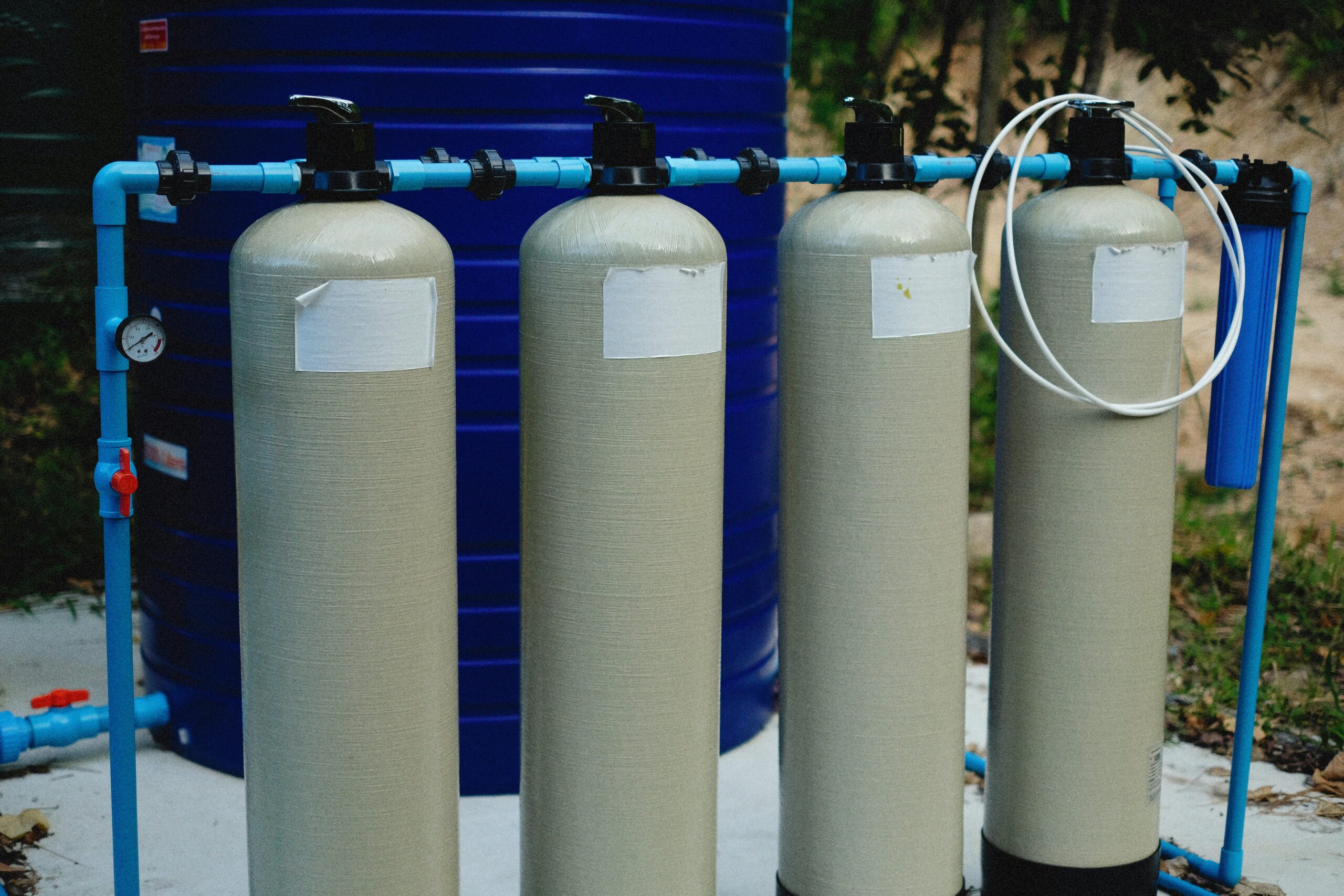
Neutralizing filter media represents a crucial advancement in water treatment technology, designed to correct pH imbalances while minimizing environmental impact. These specialized materials—typically composed of calcite, magnesium oxide, or corosex—work by gradually dissolving to neutralize acidic water, raising pH levels to safer, more balanced ranges. Unlike chemical additives that require continuous application, neutralizing media functions as a semi-permanent filtration solution that operates through natural chemical processes.
The environmental advantages begin at the conceptual stage. Traditional water treatment methods often rely on liquid chemicals shipped in plastic containers, requiring frequent replacement and generating substantial packaging waste. Neutralizing filter media, conversely, arrives as solid granular material with minimal packaging requirements and operates for extended periods—sometimes years—before replacement becomes necessary.
This fundamental difference in approach creates ripple effects throughout the entire life-cycle, from manufacturing and transportation to installation, operation, and eventual disposal or recycling. Understanding these benefits requires examining each phase of the media’s journey and recognizing how sustainable design principles integrate into practical water treatment solutions.
⚡ Manufacturing Efficiency: Starting With Environmental Consciousness
The production of neutralizing filter media demonstrates significant environmental advantages compared to synthetic chemical alternatives. Calcite, the most common neutralizing agent, is essentially crushed and processed calcium carbonate—a naturally abundant mineral requiring minimal chemical processing. This stands in stark contrast to the energy-intensive synthesis required for many water treatment chemicals.
Manufacturing facilities producing neutralizing media typically operate with lower energy demands than chemical production plants. The grinding, sizing, and washing processes used to prepare filter media consume considerably less electricity and generate fewer greenhouse gas emissions per unit of treatment capacity. Additionally, many manufacturers source materials locally, reducing transportation distances from quarry to processing facility.
The absence of hazardous chemical reactions during production further reduces environmental risk. Chemical manufacturing facilities must implement extensive safety measures and pollution controls to prevent accidental releases, while neutralizing media production poses minimal environmental hazard. This translates to lower regulatory burdens, reduced insurance costs, and fundamentally safer operations for workers and surrounding communities.
Resource Conservation in Production
Water conservation during manufacturing deserves particular attention. Neutralizing media production primarily uses water for washing and dust control—processes where water can often be recycled within closed-loop systems. Chemical production frequently requires water as a reaction medium, cooling agent, and washing solution, with contaminated wastewater requiring extensive treatment before discharge.
Raw material efficiency also favors neutralizing media. Natural mineral deposits provide feedstock with minimal waste generation, and even undersized particles can often find applications in agricultural lime or construction materials. This comprehensive utilization contrasts sharply with chemical synthesis, where byproducts may require costly disposal as hazardous waste.
🚚 Transportation and Distribution: Reducing Carbon Footprints
The logistics of delivering water treatment solutions reveal another environmental advantage for neutralizing filter media. Because these materials remain stable indefinitely when stored dry, they eliminate the urgency and special handling requirements associated with liquid chemicals. This stability permits more efficient transportation planning, allowing for full truckloads and optimized routing rather than expedited small shipments.
Packaging requirements further distinguish neutralizing media from chemical alternatives. Media typically ships in recyclable bags or returnable containers, while liquid chemicals require specialized containers designed to prevent leakage and contamination. The weight-to-treatment-capacity ratio also favors solid media—a single delivery can provide years of treatment capacity, whereas liquid chemicals require regular replenishment.
Transportation safety represents another crucial consideration. Spills of neutralizing media, while requiring cleanup, pose minimal environmental threat since the materials are non-toxic and chemically benign. Chemical spills, conversely, may necessitate emergency response, environmental remediation, and regulatory reporting, with potential for lasting ecological damage.
💧 Operational Excellence: Environmental Benefits During Active Use
Once installed, neutralizing filter media demonstrates its most significant environmental advantages through efficient, low-impact operation. The passive treatment mechanism requires no electrical power beyond what’s needed for water circulation—power that would be required regardless of treatment method. This stands in contrast to chemical feed systems requiring pumps, monitoring equipment, and control systems, all consuming electricity and requiring maintenance.
The self-regulating nature of neutralizing media provides additional environmental benefits. As acidic water contacts the media, dissolution occurs naturally at rates proportional to acidity levels. More acidic water dissolves more media, receiving greater pH correction, while less acidic water contacts media more gently, extending media life. This automatic adjustment eliminates the risk of over-treatment and the environmental consequences of excessive chemical discharge into wastewater streams.
Water Quality and Ecosystem Protection
Neutralizing filter media improves water quality without introducing potentially harmful substances into treated water. The dissolved minerals—primarily calcium and magnesium carbonates—are beneficial nutrients already present in many natural water sources. This contrasts with some chemical treatment approaches that may add sodium, chlorides, or other ions requiring downstream management.
Protected plumbing infrastructure represents an often-overlooked environmental benefit. By preventing corrosion, neutralizing media extends the operational life of pipes, fixtures, and appliances, reducing the resource consumption and waste generation associated with premature replacement. Corroded pipes also release metals into water supplies, creating both health concerns and environmental contamination that neutralizing media helps prevent.
🔄 Longevity and Maintenance: Minimizing Intervention
The extended service life of neutralizing filter media creates environmental advantages that compound over time. Quality installations can operate effectively for three to five years or longer, depending on water chemistry and flow rates. This longevity dramatically reduces the frequency of service visits, each of which carries environmental costs through vehicle emissions, technician time, and administrative overhead.
Maintenance requirements for neutralizing media systems remain minimal compared to chemical feed alternatives. Periodic backwashing—essentially reversing water flow to redistribute media and remove trapped sediment—uses water already available on-site and requires no chemical additives or special disposal procedures. The backwash water, containing only suspended sediment and dissolved minerals, typically drains safely to standard septic or sewer systems.
Monitoring demands also favor neutralizing media systems. While chemical feed systems require regular checking of chemical levels, pump function, and injection rates, media systems need only occasional pH testing to confirm effective operation. This simplified monitoring reduces both the time commitment for system operators and the environmental impact of producing, shipping, and disposing of test chemicals and supplies.
♻️ End-of-Life Considerations: Closing the Sustainability Loop
When neutralizing filter media finally reaches exhaustion, its environmental story concludes far more gracefully than chemical alternatives. Spent calcite media is essentially calcium carbonate that has completed its treatment mission—a benign substance that poses no disposal challenges. Many applications find beneficial reuse opportunities for this spent media, completing a true life-cycle approach to environmental stewardship.
Agricultural applications represent the most common reuse pathway. Spent neutralizing media functions effectively as agricultural lime, helping to correct soil acidity and providing calcium nutrition for crops. This agricultural value transforms what might be considered waste into a valuable commodity, eliminating disposal costs while providing environmental benefits through improved soil health and crop productivity.
Landscaping and construction applications offer additional reuse opportunities. The material can serve as a soil amendment for gardens, a component in concrete mixes, or fill material for construction projects. These applications divert spent media from landfills while displacing virgin materials that would otherwise be extracted, processed, and transported.
Comparing Disposal Scenarios
The contrast with chemical treatment waste becomes particularly striking when examining disposal requirements. Chemical containers require recycling or landfill disposal, with residual chemicals often classified as hazardous waste requiring special handling. Spent neutralizing media, conversely, can be spread directly on acidic soils or composted with organic materials, returning beneficial minerals to the environment.
Even in scenarios where beneficial reuse isn’t practical, spent neutralizing media can be landfilled without special precautions or environmental concerns. The material is chemically stable, non-toxic, and poses no leaching risks. This simplicity reduces disposal costs, eliminates regulatory complexity, and ensures that end-of-life management doesn’t undermine the environmental benefits achieved throughout the media’s operational life.
🌱 Comparing Life-Cycle Environmental Impacts
Comprehensive life-cycle assessment reveals the full scope of environmental benefits associated with neutralizing filter media. When evaluating water treatment options, decision-makers should consider impacts across multiple categories: carbon emissions, water consumption, waste generation, ecosystem effects, and resource depletion. Neutralizing media consistently demonstrates advantages across these dimensions.
| Impact Category | Neutralizing Filter Media | Chemical Treatment Systems |
|---|---|---|
| Carbon Footprint | Low – minimal processing, infrequent replacement | Higher – ongoing chemical production and delivery |
| Water Consumption | Minimal – periodic backwashing only | Moderate – chemical production and dilution |
| Waste Generation | Very Low – beneficial reuse opportunities | Higher – containers, unused chemicals, monitoring supplies |
| Energy Requirements | Low – passive operation | Higher – pumping, monitoring, climate control |
| End-of-Life Options | Multiple beneficial reuse pathways | Limited – recycling or disposal required |
These comparative advantages become more pronounced over extended timeframes. A twenty-year evaluation period might encompass a single neutralizing media system with four or five media replacements, compared to hundreds of chemical deliveries for a chemical feed system. The cumulative environmental impact differential grows substantially when viewed across typical building or infrastructure lifespans.
🏡 Residential Applications: Environmental Stewardship at Home
Homeowners increasingly recognize that environmental responsibility begins with individual choices, and water treatment decisions offer opportunities for meaningful impact. Residential neutralizing filter systems provide effective pH correction while aligning with sustainability values that guide other household decisions.
The simplicity of residential neutralizing systems enhances their environmental profile. Without electrical components, monitoring equipment, or chemical storage requirements, these systems integrate seamlessly into homes while maintaining minimal environmental footprints. Installation typically requires only basic plumbing connections, avoiding the construction waste and energy consumption associated with more complex treatment systems.
Family safety and environmental protection intersect in residential applications. Homes with neutralizing media systems eliminate the need to store potentially hazardous treatment chemicals, reducing risks to children, pets, and groundwater. This safety advantage provides peace of mind while demonstrating environmental responsibility to the next generation.
🏭 Commercial and Industrial Scaling: Magnifying Environmental Benefits
Large-scale water treatment operations amplify both the challenges and opportunities of environmental stewardship. Commercial facilities, industrial plants, and municipal systems treating thousands or millions of gallons daily face scrutiny regarding environmental performance, making technology choices particularly consequential.
Neutralizing filter media scales effectively to these demanding applications, with environmental benefits growing proportionally. A facility treating 100,000 gallons daily might avoid thousands of gallons of liquid chemicals annually by employing media-based neutralization. This substitution eliminates associated transportation emissions, packaging waste, and chemical handling risks while maintaining treatment effectiveness.
Regulatory compliance becomes more manageable with neutralizing media systems. Environmental agencies increasingly demand comprehensive reporting on chemical usage, storage, and disposal, with violations carrying substantial penalties. Media-based systems simplify compliance by eliminating many reportable substances and reducing the documentation burden associated with hazardous material management.
Economic and Environmental Synergy
Commercial operations benefit from recognizing that environmental and economic advantages often align with neutralizing media. Reduced chemical purchasing, eliminated delivery fees, lower insurance costs, and simplified regulatory compliance create financial incentives that reinforce environmental benefits. This synergy makes sustainability initiatives easier to justify and more likely to receive organizational support.
Corporate sustainability reporting increasingly demands quantifiable environmental metrics. Organizations can calculate and report specific reductions in chemical usage, transportation miles, packaging waste, and carbon emissions attributable to neutralizing media adoption. These documented improvements support sustainability goals while enhancing corporate reputation with environmentally conscious customers and stakeholders.
🔬 Innovation and Future Developments in Sustainable Media Technology
The field of neutralizing filter media continues evolving, with research focusing on enhancing environmental performance while maintaining treatment effectiveness. Emerging developments include media formulations optimized for specific water chemistries, extended service life through improved particle sizing, and enhanced reactivity requiring less material for equivalent treatment capacity.
Recycled and reclaimed materials represent an exciting frontier in media production. Researchers are investigating whether byproducts from other industries—such as crushed concrete, mollusk shells, or industrial calcium wastes—can serve as effective neutralizing media. Success in these efforts would create circular economy opportunities, transforming waste materials into valuable water treatment resources.
Smart monitoring technologies promise to optimize media system performance while providing data to quantify environmental benefits. Sensors tracking pH levels, flow rates, and water quality parameters enable precise documentation of treatment effectiveness and media consumption rates, supporting both operational optimization and sustainability reporting.
🌍 Making the Sustainable Choice: Implementing Neutralizing Media Systems
Transitioning to neutralizing filter media requires understanding both technical requirements and environmental objectives. Successful implementation begins with accurate water testing to characterize pH levels, flow rates, and water chemistry. This information guides proper system sizing and media selection, ensuring effective treatment while maximizing environmental benefits.
Professional consultation enhances both performance and sustainability outcomes. Water treatment specialists can recommend optimal system configurations, identify opportunities to integrate media neutralization with other treatment processes, and design installations that minimize resource consumption throughout operational life.
Commitment to the complete life-cycle perspective ensures maximum environmental benefit realization. This means planning for eventual media replacement, identifying reuse opportunities for spent media, and maintaining systems properly to achieve full service life potential. Organizations embracing this comprehensive approach demonstrate genuine environmental stewardship rather than superficial “green” marketing.
💚 Embracing Water Treatment That Works With Nature
The environmental case for neutralizing filter media reflects a broader shift toward treatment technologies that work with natural processes rather than against them. By leveraging the inherent neutralizing properties of calcium and magnesium minerals, these systems achieve effective pH correction while minimizing artificial inputs, energy consumption, and waste generation.
Every water treatment decision carries environmental consequences extending far beyond immediate water quality improvements. Choosing neutralizing filter media represents a commitment to reducing those consequences across manufacturing, transportation, operation, and disposal phases. This life-cycle perspective recognizes that truly sustainable solutions must perform responsibly at every stage.
As water quality challenges intensify and environmental awareness grows, neutralizing filter media stands ready to deliver both effective treatment and meaningful environmental benefits. Whether protecting residential plumbing, supporting commercial operations, or serving municipal populations, these systems prove that environmental responsibility and practical performance can coexist successfully. The path to revitalized water runs through technologies that respect both human needs and environmental limits—and neutralizing filter media illuminates that path clearly.