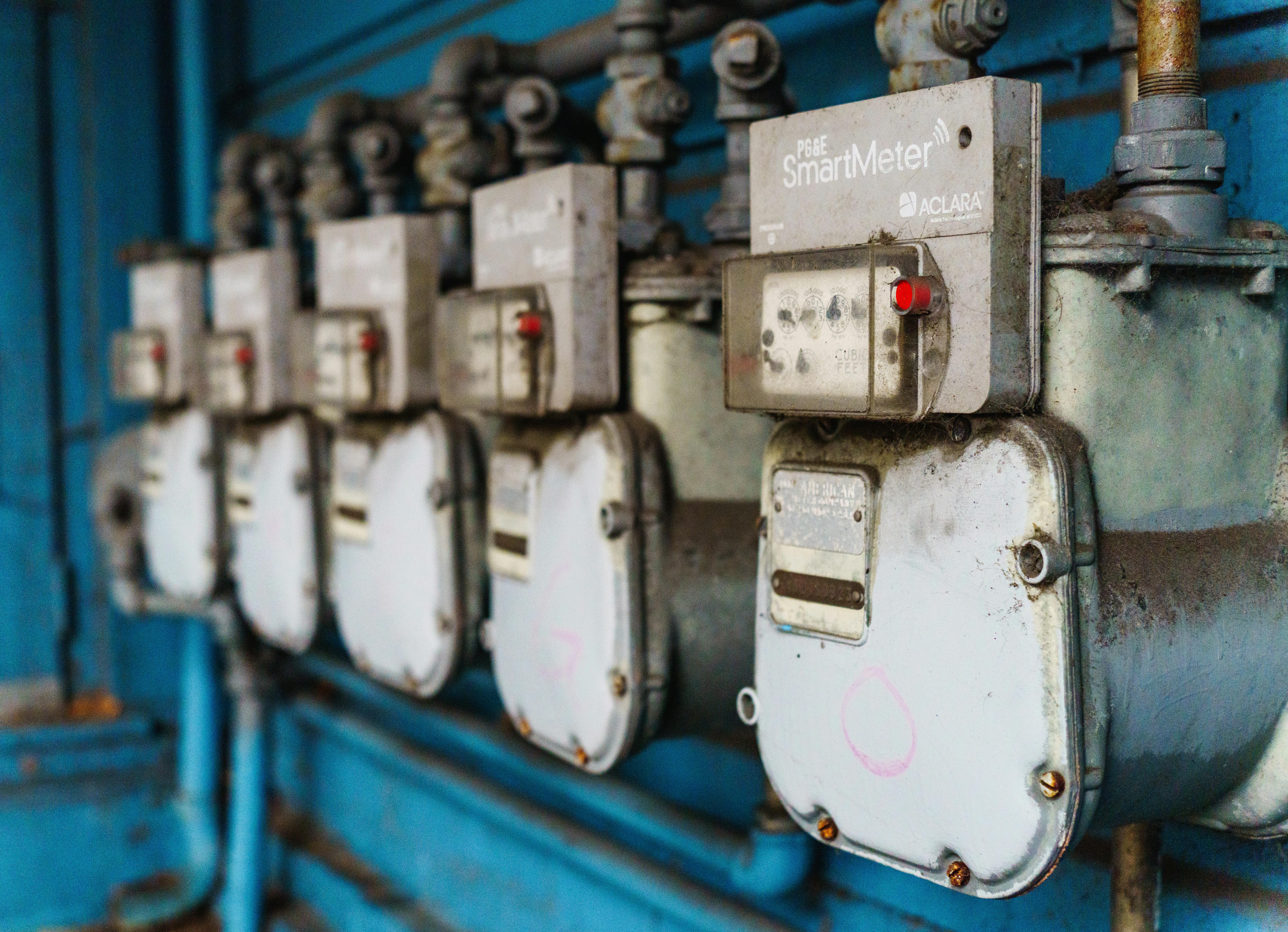
The future of our cities and ecosystems depends on how we choose to build and develop our infrastructure, with sustainability hanging in the balance.

As urbanization accelerates and climate change intensifies, communities worldwide face a critical decision: continue relying on traditional grey infrastructure or embrace the innovative potential of green infrastructure. This choice will determine not only the environmental health of our planet but also the resilience and livability of our urban spaces for generations to come.
Grey infrastructure—the conventional approach using concrete, steel, and engineered systems—has dominated urban development for over a century. Roads, dams, sewage systems, and drainage pipes represent the backbone of modern civilization. However, these solutions often come with significant environmental costs, including habitat destruction, increased urban heat islands, and poor stormwater management. Green infrastructure, by contrast, leverages natural systems and processes to provide similar services while delivering multiple environmental, social, and economic benefits.
🌱 Understanding Green Infrastructure: Nature’s Engineering
Green infrastructure encompasses a network of natural and semi-natural systems that provide ecological services essential to urban environments. These solutions work with nature rather than against it, creating multifunctional landscapes that address multiple challenges simultaneously.
Rain gardens, bioswales, green roofs, urban forests, constructed wetlands, and permeable pavements exemplify green infrastructure approaches. These systems manage stormwater naturally by allowing infiltration and evapotranspiration, reducing the burden on conventional drainage systems. They also improve air quality, sequester carbon, moderate temperatures, create wildlife habitat, and enhance aesthetic appeal.
Research from the Environmental Protection Agency demonstrates that green infrastructure can manage stormwater as effectively as traditional systems while costing 15-40% less in many applications. Moreover, these natural solutions appreciate in value over time as vegetation matures, unlike grey infrastructure which depreciates and requires costly maintenance.
The Multifunctional Benefits That Set Green Solutions Apart
Unlike single-purpose grey infrastructure, green systems deliver cascading benefits. A bioswale doesn’t just manage stormwater—it filters pollutants, provides habitat for pollinators, reduces urban heat, and creates attractive green spaces that increase property values and community wellbeing.
Urban trees, for instance, intercept rainfall, reduce air pollution, lower ambient temperatures through shade and evapotranspiration, sequester carbon dioxide, and provide psychological benefits to residents. Studies show that neighborhoods with abundant tree cover experience lower crime rates, better mental health outcomes, and stronger social cohesion.
⚙️ The Grey Infrastructure Legacy: Strengths and Limitations
Grey infrastructure has enabled unprecedented urban growth and improved public health through reliable water supply, wastewater treatment, and flood control. These engineered systems offer predictable performance, standardized design parameters, and established construction methods that engineers understand well.
Pipes, treatment plants, and concrete channels provide controlled conveyance of water and waste, protecting public health and enabling dense urban development. For many applications, particularly in highly urbanized areas with limited space, grey infrastructure remains necessary and appropriate.
However, the limitations of purely grey approaches have become increasingly apparent. These systems are expensive to build, maintain, and replace—with American infrastructure receiving a C- grade from the American Society of Civil Engineers, requiring an estimated $2.6 trillion investment over the next decade.
The Hidden Costs of Conventional Development
Grey infrastructure often creates unintended environmental consequences. Impervious surfaces increase stormwater runoff volume and velocity, overwhelming drainage systems during intense storms and polluting receiving waters. Combined sewer systems discharge untreated sewage during heavy rainfall events, contaminating rivers and beaches.
Concrete and asphalt contribute significantly to urban heat island effects, raising temperatures 5-7°F higher than surrounding rural areas. This increased heat drives up energy consumption for cooling, worsens air quality, and creates dangerous conditions during heat waves that disproportionately affect vulnerable populations.
Additionally, grey infrastructure disrupts natural hydrology by preventing groundwater recharge, lowering water tables, and reducing baseflow in streams. The loss of natural filtration functions means more intensive and expensive water treatment requirements.
🏙️ Hybrid Approaches: The Pragmatic Path Forward
The most effective and resilient infrastructure strategies integrate both green and grey elements, leveraging the strengths of each approach. This hybrid model recognizes that neither solution works optimally in isolation for all situations.
Philadelphia’s Green City, Clean Waters program exemplifies this integrated approach. The city committed to implementing green infrastructure across 9,500 acres over 25 years to manage stormwater, supplementing rather than replacing existing grey systems. This strategy costs $1.2 billion less than expanding conventional treatment capacity while delivering numerous co-benefits.
Cities like Portland, Seattle, Copenhagen, and Singapore have pioneered integrated approaches that weave green infrastructure throughout urban fabric while maintaining essential grey systems for redundancy and capacity. Green roofs reduce building energy consumption and manage stormwater, while underground storage tanks provide backup capacity during extreme events.
Strategic Placement Makes the Difference
Successful integration requires strategic placement of green infrastructure where it delivers maximum benefit. Upstream source control using bioretention facilities, permeable pavement, and tree trenches reduces flows entering grey systems. Strategic greening in dense urban cores addresses heat islands and air quality while managing stormwater at its source.
Grey infrastructure remains critical for conveying and treating concentrated flows, providing emergency capacity, and serving areas where space constraints limit green solutions. The key lies in right-sizing grey systems to work synergistically with distributed green networks.
💰 Economic Considerations in the Green vs. Grey Debate
Economic analysis increasingly favors green infrastructure when full lifecycle costs and co-benefits receive consideration. While initial construction costs may be comparable, long-term maintenance, replacement, and operational expenses typically favor green solutions.
Traditional cost-benefit analyses often overlook the value of ecosystem services, property value increases, health benefits, and avoided costs. When these factors enter calculations, green infrastructure demonstrates superior return on investment in many applications.
A study in New York City found that green infrastructure provided $139 million in annual benefits from improved air quality alone, alongside stormwater management services. Property values increased 2-7% near green infrastructure installations, generating additional tax revenue exceeding project costs.
Job Creation and Economic Development Opportunities
Green infrastructure creates more local jobs per dollar invested compared to conventional construction. These projects require landscape designers, horticulturists, ecologists, and maintenance workers—skills that cannot be outsourced and provide stable employment.
Communities developing green infrastructure expertise position themselves advantageously as demand grows globally. The green infrastructure market is projected to exceed $100 billion by 2030, creating significant economic opportunities for cities embracing these approaches early.
🌍 Climate Resilience Through Green-Grey Integration
Climate change intensifies both droughts and floods, requiring infrastructure that adapts to variable conditions. Green infrastructure provides flexibility that rigid grey systems cannot match, absorbing excess water during storms while supporting groundwater recharge during dry periods.
Urban forests moderate temperature extremes, reducing heat-related mortality during increasingly frequent and intense heat waves. Coastal wetlands and living shorelines provide storm surge protection superior to seawalls while adapting to sea level rise through natural sediment accretion.
Singapore’s ABC Waters Program (Active, Beautiful, Clean) transforms drainage infrastructure into beautiful community spaces that manage intense tropical rainfall, demonstrating how green-grey integration creates climate-resilient cities. The program has transformed over 100 projects, integrating stormwater management with community amenities.
Adapting to Uncertainty Requires Flexible Systems
Future climate conditions remain uncertain, but scientists project more variable precipitation patterns with longer dry periods punctuated by intense storms. Infrastructure designed for historical conditions will prove inadequate.
Green infrastructure provides adaptive capacity through distributed, redundant systems that continue functioning even when individual components fail. This resilience contrasts sharply with centralized grey systems where single-point failures cascade throughout networks.
🤝 Social Equity and Environmental Justice Dimensions
Infrastructure decisions carry profound equity implications. Historically, disadvantaged communities received disproportionate grey infrastructure impacts—highways, industrial facilities, and waste treatment plants—while lacking access to parks, trees, and green spaces.
Green infrastructure offers opportunities to address environmental justice concerns by prioritizing investments in underserved neighborhoods. Strategic greening improves public health, reduces flooding in vulnerable areas, and creates community assets rather than burdens.
However, green infrastructure can also trigger gentrification if not implemented thoughtfully. Community engagement, anti-displacement policies, and equitable distribution of benefits must guide planning to ensure green infrastructure serves rather than displaces existing residents.
Community Co-Benefits Beyond Technical Performance
Successful green infrastructure engages communities as partners rather than passive recipients. Community gardens, street tree planting programs, and neighborhood rain gardens create ownership, build social capital, and deliver benefits residents prioritize.
Mental health improvements, increased physical activity, stronger social connections, and enhanced community pride represent valuable but often unmeasured benefits. These human dimensions matter as much as engineering performance in determining long-term success.
🔧 Implementation Barriers and Overcoming Resistance
Despite compelling advantages, green infrastructure adoption faces institutional, regulatory, and cultural barriers. Engineering departments trained in grey infrastructure approaches may resist unfamiliar techniques. Regulations designed around conventional systems create obstacles for innovative approaches.
Maintenance concerns represent legitimate challenges—green infrastructure requires different expertise than grey systems. Building maintenance capacity through training programs and establishing clear protocols addresses this barrier.
Fragmented jurisdictions complicate watershed-scale planning essential for effective green infrastructure networks. Regional coordination mechanisms and incentive programs encourage collaboration across municipal boundaries.
Changing Mindsets From Grey to Green
Cultural change within engineering and planning professions progresses gradually. Demonstration projects proving green infrastructure performance build confidence. Professional education integrating green infrastructure principles prepares the next generation of practitioners.
Public awareness campaigns highlighting green infrastructure benefits generate political support for necessary policy changes. When communities understand and value these systems, elected officials prioritize funding and regulatory reforms.
🚀 Emerging Technologies and Future Innovations
Technology advances are expanding green infrastructure capabilities. Smart sensors monitor soil moisture, flow rates, and system performance, optimizing maintenance and documenting benefits. Modeling software helps designers integrate green and grey components effectively.
Emerging materials like specialized bioretention soils, structural cells supporting trees under pavement, and advanced permeable pavements improve performance in challenging applications. These innovations blur boundaries between green and grey, creating hybrid solutions.
Nature-based solutions integrated with digital technology create “smart green infrastructure” that adapts to real-time conditions. Controllable green roofs release stored water strategically to maximize system capacity. Connected networks of bioretention facilities coordinate to manage flows optimally.

🌟 Transforming Infrastructure Philosophy for Lasting Change
The battle between green and grey infrastructure ultimately reflects deeper questions about humanity’s relationship with nature. Do we view natural systems as obstacles to overcome or partners to work with? Can we design cities that enhance rather than degrade ecological health?
The most sustainable path forward integrates both approaches strategically, recognizing that resilient infrastructure requires diversity. Just as ecosystems thrive through biodiversity, infrastructure systems benefit from multiple complementary solutions providing redundancy and flexibility.
Success requires moving beyond either-or thinking toward integrated planning that considers full lifecycle costs, multiple benefits, community needs, and environmental justice. It demands regulatory frameworks rewarding innovation, professional education embracing interdisciplinary approaches, and community engagement ensuring equitable outcomes.
Cities pioneering green-grey integration demonstrate that sustainable infrastructure need not sacrifice performance or affordability. These living laboratories prove that beautiful, functional, equitable, and resilient communities are achievable when we work with nature rather than against it.
The infrastructure choices we make today will shape urban environments for decades. By thoughtfully integrating green and grey approaches, we can build cities that are not only functional but also livable, equitable, and sustainable—leaving a legacy future generations will appreciate rather than remediate. The battle between green and grey infrastructure resolves not through victory of one over the other, but through their thoughtful integration in service of truly sustainable communities. 🌿