Anúncios
Water utilities face mounting pressure to optimize operations, reduce costs, and improve customer satisfaction—all while managing a critical public resource that demands precision and accountability. 💧
Consumption-cycle tracking has emerged as a cornerstone strategy for modern water utilities seeking to balance operational efficiency with regulatory compliance and environmental stewardship. By implementing robust tracking systems, utilities can transform raw data into actionable insights that drive decision-making at every organizational level.
This comprehensive guide explores the methodologies, technologies, and best practices that enable water utilities to maximize efficiency through strategic consumption-cycle tracking. Whether you’re managing a small municipal system or overseeing a large metropolitan water network, understanding these principles will position your organization for sustainable success.
🔍 Understanding the Consumption Cycle in Water Utilities
The water consumption cycle encompasses every stage from source extraction through treatment, distribution, customer usage, and back through wastewater management. Each phase presents unique tracking opportunities and challenges that require specialized approaches.
Traditional water utilities often operated with limited visibility into consumption patterns, relying on monthly or quarterly manual meter readings. This approach created significant blind spots in operational awareness, making it difficult to detect leaks, identify inefficiencies, or respond promptly to system anomalies.
Modern consumption-cycle tracking leverages advanced metering infrastructure (AMI), Internet of Things (IoT) sensors, and sophisticated analytics platforms to provide near real-time visibility across the entire water distribution network. This technological evolution has fundamentally transformed how utilities understand and manage their operations.
Key Components of Effective Cycle Tracking
Successful consumption-cycle tracking requires integration of several critical components:
- Smart metering devices: Digital meters that capture granular consumption data at frequent intervals
- Communication infrastructure: Reliable networks that transmit data from field devices to central systems
- Data management platforms: Robust software solutions that aggregate, validate, and store consumption information
- Analytics engines: Advanced algorithms that identify patterns, anomalies, and optimization opportunities
- Visualization dashboards: User-friendly interfaces that present complex data in accessible formats
📊 The Business Case for Advanced Tracking Systems
Investing in comprehensive consumption-cycle tracking delivers measurable returns across multiple dimensions of utility operations. Financial benefits alone often justify implementation costs within three to five years, while operational and environmental advantages provide additional value.
Non-revenue water—the difference between water produced and water billed to customers—represents one of the most significant challenges facing utilities worldwide. The American Water Works Association estimates that water utilities lose an average of 16% of treated water to leaks, theft, and metering inaccuracies.
Advanced tracking systems directly address this challenge by enabling utilities to pinpoint loss locations, quantify leak volumes, and prioritize repair investments based on actual economic impact. Utilities implementing comprehensive tracking programs typically reduce non-revenue water by 3-8% within the first two years.
Operational Efficiency Gains
Beyond revenue protection, consumption-cycle tracking enhances operational efficiency across numerous utility functions. Field crews benefit from predictive maintenance capabilities that identify equipment requiring attention before failures occur, reducing emergency callouts and extending asset lifespans.
Customer service representatives gain access to detailed consumption histories that enable them to address billing inquiries more effectively, resolve disputes with data-backed evidence, and identify opportunities for conservation programs targeting high-use customers.
Engineering and planning departments leverage consumption patterns to optimize system design, right-size infrastructure investments, and forecast future capacity requirements with greater accuracy than traditional methodologies permit.
🚀 Implementing Smart Metering Infrastructure
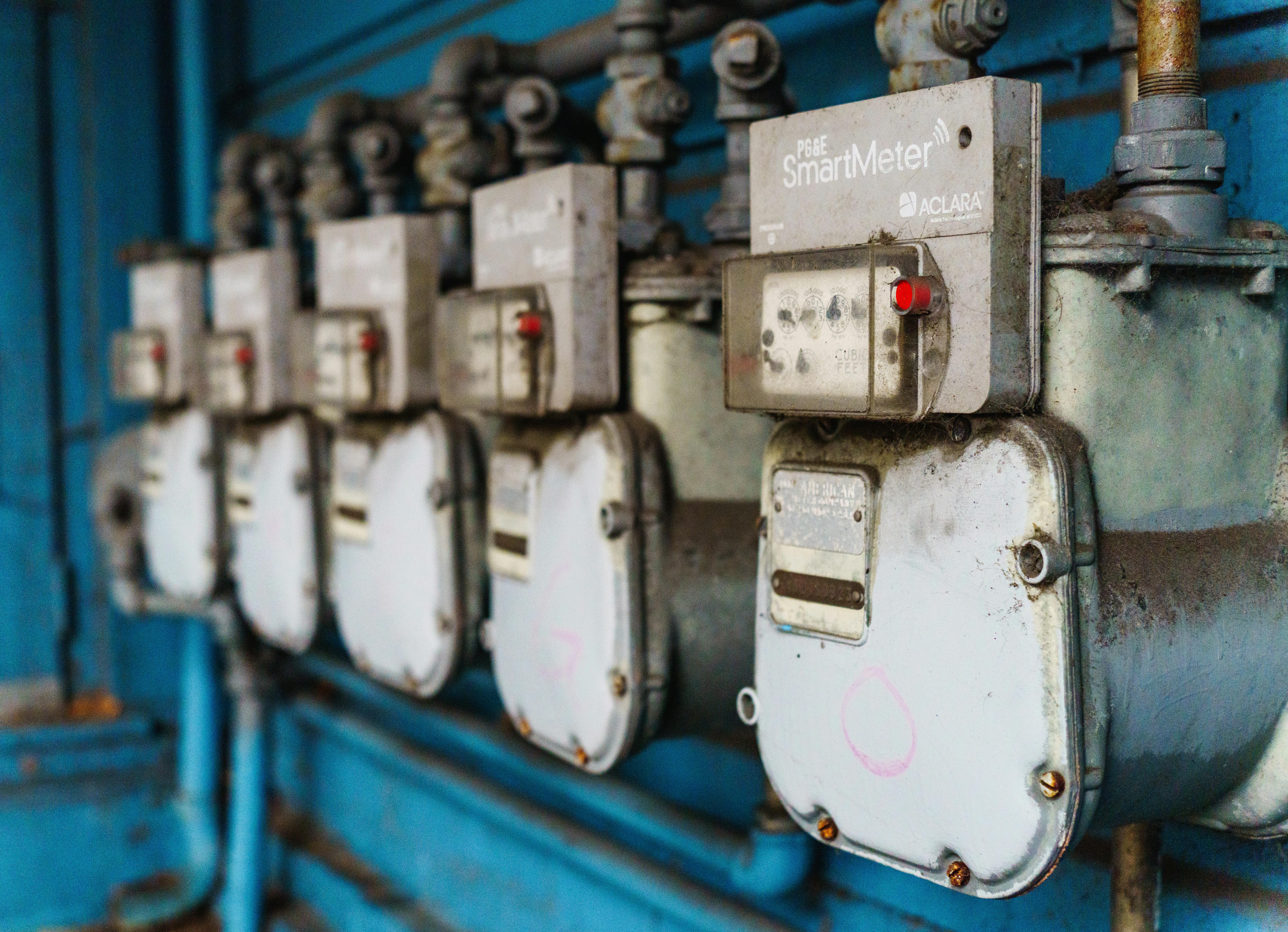
The foundation of modern consumption-cycle tracking rests on smart metering infrastructure that replaces legacy mechanical meters with digital devices capable of automated, frequent readings. Selecting appropriate metering technology requires careful consideration of multiple factors.
Fixed network systems utilize permanent communication infrastructure—typically radio frequency mesh networks or cellular connections—to transmit meter data at scheduled intervals. These systems provide the most frequent data updates and support real-time monitoring but require significant upfront investment in communication hardware.
Mobile automatic meter reading (AMR) systems capture meter data via drive-by or walk-by collection using portable receivers. While less expensive to implement, these systems provide less frequent readings and don’t support real-time alerting capabilities.
Technology Selection Criteria
Utilities should evaluate metering technologies against specific operational requirements and constraints:
- Service territory geography: Dense urban areas benefit from fixed networks, while rural regions may require mobile solutions
- Budget considerations: Capital availability, operational expense flexibility, and financing options influence technology choices
- Existing infrastructure: Compatibility with current systems and integration requirements affect implementation complexity
- Future scalability:Selected platforms should accommodate growth and evolving technological capabilities
- Vendor stability: Long-term vendor viability and support commitments protect infrastructure investments
📈 Data Analytics: Transforming Information Into Action
Collecting consumption data represents only the first step in effective cycle tracking. The true value emerges when utilities apply sophisticated analytics to transform raw numbers into actionable intelligence that drives operational improvements.
Pattern recognition algorithms identify normal consumption behaviors for different customer classes, establishing baselines against which anomalies become readily apparent. Machine learning models continuously refine these baselines as they process additional data, improving accuracy over time.
Leak detection algorithms compare expected consumption patterns against actual usage, flagging potential losses for investigation. Advanced systems correlate consumption data with pressure monitoring, flow measurements, and other operational parameters to pinpoint leak locations within distribution networks.
Predictive Analytics for Proactive Management
Forward-looking utilities increasingly leverage predictive analytics to anticipate challenges before they manifest as operational problems. These approaches analyze historical patterns, weather data, demographic trends, and other variables to forecast future consumption with remarkable accuracy.
Demand forecasting enables utilities to optimize production schedules, reducing energy costs associated with treatment and pumping while ensuring adequate supply during peak consumption periods. Seasonal prediction models help utilities prepare for high-demand summer months or unusual weather events.
Asset health monitoring uses consumption data patterns to identify meters, valves, and other infrastructure components exhibiting performance degradation. By scheduling maintenance interventions before complete failures occur, utilities minimize service disruptions and reduce overall maintenance costs.
💡 Customer Engagement Through Data Transparency
Modern consumers expect transparency and control over their resource consumption. Forward-thinking utilities recognize that consumption-cycle tracking creates opportunities to engage customers more effectively while promoting conservation and building trust.
Customer portals that provide access to detailed consumption histories empower users to understand their water usage patterns, identify opportunities for conservation, and verify billing accuracy. Interactive visualizations make complex data accessible to non-technical audiences, facilitating informed decision-making.
Alert systems notify customers of unusual consumption patterns that may indicate leaks, running toilets, or other problems. Early detection prevents waste, protects customers from unexpectedly high bills, and demonstrates utility commitment to customer service.
Conservation Program Targeting
Detailed consumption data enables utilities to design and target conservation programs with unprecedented precision. Rather than deploying broad-based initiatives with uncertain effectiveness, utilities can identify specific customer segments with the greatest conservation potential and tailor messaging accordingly.
High-volume users receive personalized recommendations for reducing consumption based on their specific usage patterns. Utilities can offer rebates on water-efficient fixtures targeted to customers whose usage profiles suggest they would benefit most from upgrades.
Behavioral nudging programs leverage social comparison data, showing customers how their consumption compares to similar households. Research consistently demonstrates that such comparisons motivate conservation more effectively than generic appeals for water stewardship.
🔧 Integration With Broader Utility Systems
Consumption-cycle tracking delivers maximum value when integrated with other utility management systems rather than operating as a standalone solution. Interoperability enables data sharing that enhances functionality across multiple operational domains.
Customer information systems (CIS) benefit from automated meter data that eliminates manual reading errors, supports more frequent billing cycles, and enables sophisticated rate structures based on actual consumption patterns. Integration streamlines billing operations and improves revenue cycle management.
Geographic information systems (GIS) combine consumption data with spatial information, enabling powerful visualizations of usage patterns across service territories. These integrated views support infrastructure planning, leak detection, and operational optimization with location-based intelligence.
SCADA and Operational Technology Integration
Supervisory control and data acquisition (SCADA) systems monitor and control physical water infrastructure including treatment plants, pumping stations, and storage facilities. Integrating consumption tracking data with SCADA provides comprehensive visibility across the entire water system.
This integration enables closed-loop optimization where consumption patterns directly influence production and distribution decisions. Automated systems can adjust pumping schedules, valve positions, and treatment processes in response to real-time demand fluctuations, maximizing efficiency while maintaining service reliability.
Work order management systems receive data-driven maintenance requests generated by analytics algorithms, streamlining field operations and ensuring that crews address the most critical issues first. This integration eliminates manual data transfer, reducing errors and accelerating response times.
⚠️ Addressing Privacy and Security Concerns
As water utilities collect increasingly granular consumption data, they assume greater responsibility for protecting customer privacy and securing sensitive information against unauthorized access. Robust governance frameworks must balance operational benefits against privacy considerations.
Data minimization principles dictate that utilities should collect only information necessary for legitimate operational purposes, retaining it no longer than required. Clear policies should define acceptable uses of consumption data and prohibit secondary applications that customers haven’t explicitly authorized.
Cybersecurity measures protect metering infrastructure and data systems against threats ranging from malicious attacks to inadvertent breaches. Multi-layered security approaches include network segmentation, encryption, access controls, and continuous monitoring for suspicious activities.
Transparency and Customer Control
Building customer trust requires transparency about data collection practices and meaningful customer control over their information. Utilities should clearly communicate what data they collect, how they use it, and with whom they share it.
Opt-in approaches for non-essential data uses respect customer autonomy while enabling beneficial programs. For example, utilities might seek explicit consent before sharing anonymized consumption data with researchers or using detailed usage information for targeted marketing of conservation programs.
🌍 Environmental Benefits and Sustainability Goals
Effective consumption-cycle tracking directly supports environmental sustainability objectives by reducing water waste, optimizing energy usage, and enabling more efficient resource allocation. These environmental benefits increasingly influence utility investment decisions as communities prioritize sustainability.
Leak reduction represents the most direct environmental benefit of comprehensive tracking. Every gallon of water lost to leaks has already consumed energy and chemicals for treatment, yet delivers no value to customers. Minimizing losses conserves both water resources and the energy embodied in water production.
Demand management enabled by detailed consumption visibility reduces the need for capacity expansion, avoiding the environmental impacts associated with developing new water sources or expanding treatment facilities. By optimizing use of existing infrastructure, utilities defer or eliminate environmentally disruptive construction projects.
Climate Resilience Through Better Management
As climate change intensifies water scarcity in many regions, efficient management becomes increasingly critical. Consumption-cycle tracking provides utilities with tools to stretch limited resources further, supporting community resilience in the face of environmental challenges.
Drought response programs benefit from granular consumption data that enables targeted restrictions, exemptions for essential uses, and accurate monitoring of conservation effectiveness. Real-time data allows utilities to adjust response measures dynamically as conditions evolve.
🎯 Measuring Success: Key Performance Indicators
Utilities implementing consumption-cycle tracking programs must establish clear metrics to evaluate effectiveness and guide continuous improvement. Key performance indicators should span financial, operational, customer, and environmental dimensions.
Financial metrics include non-revenue water reduction, billing accuracy improvements, and return on investment calculations that capture both direct revenue gains and operational cost savings. These indicators demonstrate value to utility leadership and stakeholder communities.
Operational KPIs measure system efficiency, including metrics such as meter reading accuracy rates, data collection reliability, leak detection effectiveness, and maintenance response times. These indicators guide operational improvements and benchmark performance against industry standards.
Customer satisfaction scores, complaint volumes, and engagement metrics assess how tracking initiatives affect the customer experience. Positive customer outcomes validate program investments and support continued resource allocation for tracking enhancements.
🚦 Overcoming Implementation Challenges
Despite clear benefits, consumption-cycle tracking implementations face numerous challenges that utilities must anticipate and address. Organizational change management, technical integration complexity, and resource constraints frequently impede progress.
Staff resistance to new technologies and processes represents a common obstacle. Effective change management programs include comprehensive training, clear communication of benefits, and involvement of frontline personnel in system design and deployment decisions.
Budget limitations often constrain implementation timelines, requiring phased deployment approaches that balance financial constraints against operational needs. Utilities should prioritize high-value applications and geographic areas where tracking delivers the greatest immediate benefits.
Legacy system integration challenges demand careful planning and potentially significant technical investment. Middleware solutions, application programming interfaces (APIs), and data standardization initiatives facilitate connections between disparate systems that weren’t designed to communicate.
🔮 Emerging Trends and Future Directions
The consumption-cycle tracking landscape continues evolving rapidly as new technologies and methodologies emerge. Utilities that monitor these trends position themselves to leverage innovations that enhance operational effectiveness.
Artificial intelligence and machine learning applications increasingly augment human analysis, identifying subtle patterns and relationships that escape traditional statistical approaches. These technologies enable more accurate predictions, faster anomaly detection, and automated decision-making for routine operational choices.
Distributed ledger technologies, including blockchain applications, offer potential solutions for data integrity verification, automated settlement between interconnected utilities, and transparent water rights management in regions with complex allocation schemes.
Edge computing architectures process data closer to collection points, reducing latency, minimizing bandwidth requirements, and enabling real-time responses even when central systems are temporarily unavailable. This approach enhances system resilience and supports time-critical applications.
💪 Building a Culture of Data-Driven Decision Making
Technology alone cannot maximize the value of consumption-cycle tracking. Utilities must cultivate organizational cultures that embrace data-driven decision-making, continuous improvement, and cross-functional collaboration.
Leadership commitment signals that data-informed approaches will guide strategic and operational decisions. When executives consistently reference consumption data in planning discussions and performance reviews, staff throughout the organization recognize the importance of these insights.
Cross-functional teams that include operations, engineering, customer service, and information technology personnel ensure that tracking systems address real operational needs rather than simply deploying technology for its own sake. Regular collaboration sessions facilitate knowledge sharing and identify opportunities for process improvements.
Continuous learning programs keep staff current with evolving analytical techniques, emerging technologies, and industry best practices. Utilities that invest in employee development realize greater value from technology investments and build internal capabilities that reduce dependence on external consultants.
The journey toward maximizing efficiency through consumption-cycle tracking represents an ongoing process rather than a one-time project. Utilities that embrace this reality, committing to continuous improvement and adaptation, will find themselves well-positioned to meet the complex challenges of modern water resource management while delivering exceptional value to the communities they serve.