Anúncios
Every time it rains, our streets tell a story of pollution. That water rushing down gutters carries oil, chemicals, trash, and toxins directly into our waterways, threatening ecosystems and public health.
🌊 The Hidden Journey of Stormwater Pollution
Stormwater runoff is one of the fastest-growing sources of water pollution in urban and suburban areas. Unlike wastewater from homes and businesses, which travels to treatment plants, stormwater flows directly from streets, parking lots, rooftops, and lawns into storm drains. These drains lead straight to local streams, rivers, lakes, and eventually the ocean—carrying everything they collect along the way.
The Environmental Protection Agency estimates that stormwater runoff is now the leading cause of water quality impairment in surveyed rivers and lakes, and the third-largest source of impairment in estuaries. As our cities expand and more land becomes covered with impervious surfaces like concrete and asphalt, the problem intensifies. When rain can’t soak into the ground naturally, it picks up speed and volume, collecting pollutants as it travels across hardened surfaces.
What Makes Stormwater So Dirty? 💧
Understanding what pollutes stormwater is the first step toward reducing contamination. The cocktail of pollutants varies by location and land use, but common culprits include:
- Sediment and debris: Soil, leaves, grass clippings, and construction materials that clog waterways and smother aquatic habitats
- Nutrients: Fertilizers from lawns and gardens containing nitrogen and phosphorus that cause harmful algal blooms
- Heavy metals: Zinc, copper, lead, and cadmium from vehicle brake pads, tire wear, and deteriorating infrastructure
- Petroleum products: Oil, grease, and gasoline that leak from vehicles and create toxic films on water surfaces
- Bacteria and pathogens: Pet waste and improperly managed sewage systems that pose health risks
- Chemicals: Pesticides, road salt, and household cleaners that disrupt aquatic ecosystems
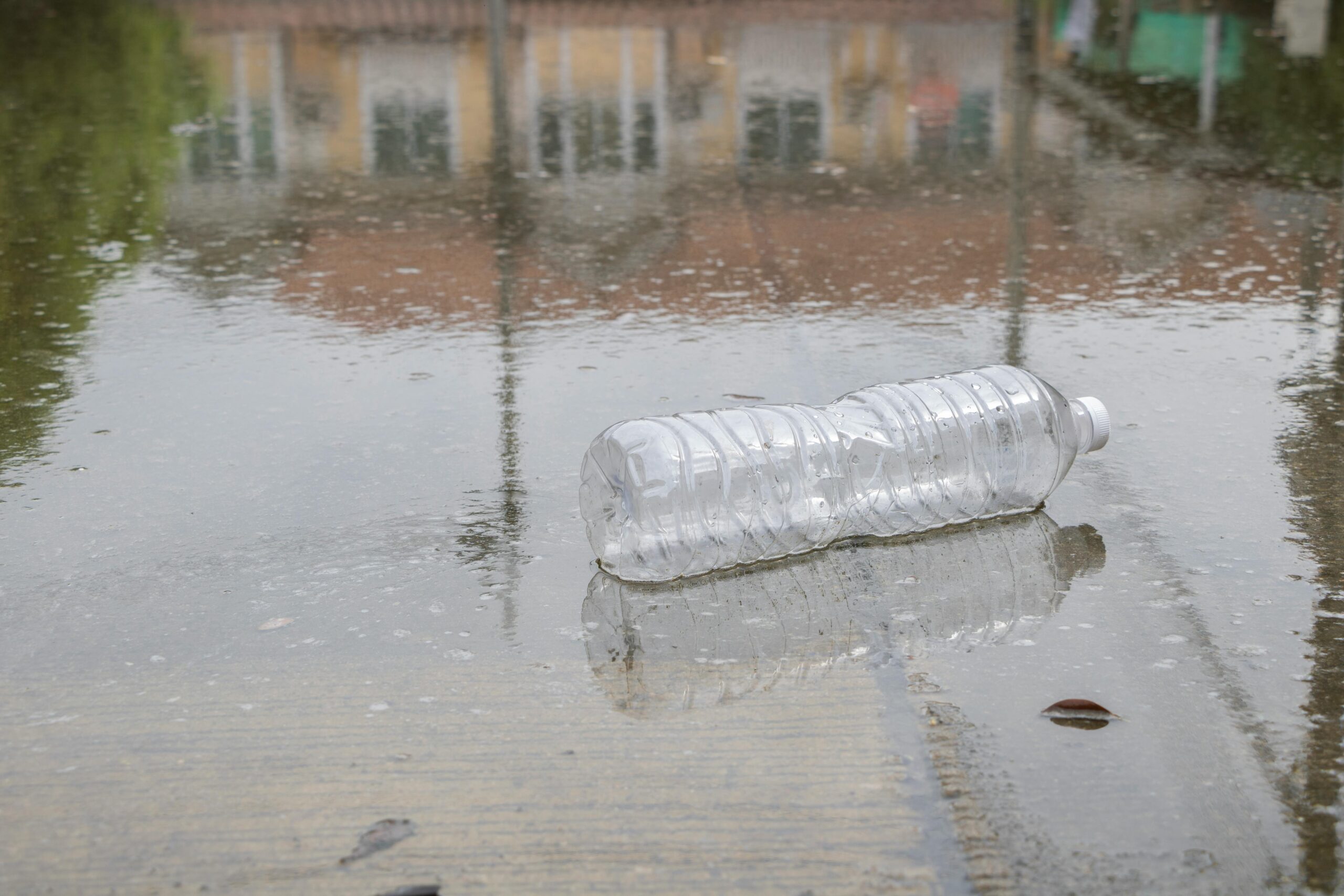
- Trash and plastics: Cigarette butts, food wrappers, bottles, and microplastics that persist in the environment
Each pollutant category creates unique challenges for water quality. Nutrients trigger excessive algae growth that depletes oxygen and kills fish. Heavy metals accumulate in sediments and bioaccumulate up the food chain. Bacteria make water unsafe for swimming and recreation. The combined effect of these pollutants degrades entire ecosystems.
🏙️ Smart Infrastructure Solutions for Cleaner Runoff
Cities and communities are implementing innovative infrastructure approaches to manage stormwater before it becomes polluted runoff. These green infrastructure and low-impact development strategies work with nature rather than against it.
Rain Gardens and Bioswales
Rain gardens are shallow, planted depressions that collect and absorb runoff from roofs, driveways, and streets. Native plants with deep root systems filter pollutants and allow water to infiltrate slowly into the ground. Bioswales are vegetated channels that convey and treat stormwater as it flows. Both systems reduce runoff volume while removing sediments, metals, and nutrients naturally.
Municipalities across North America have installed thousands of rain gardens in parking lots, along streets, and in residential areas. Studies show they can reduce runoff volume by 30-90% depending on design and local soil conditions. The plants also provide habitat for pollinators and beautify neighborhoods.
Permeable Pavement Systems
Traditional asphalt and concrete prevent water absorption entirely. Permeable pavement alternatives—including porous asphalt, pervious concrete, and permeable pavers—allow rainwater to pass through the surface into underlying stone reservoirs. Water stored in these reservoirs gradually infiltrates into the soil or evaporates.
Permeable pavements are ideal for parking lots, driveways, sidewalks, and low-traffic roads. They reduce runoff volume, recharge groundwater, filter pollutants, and can lower urban heat island effects. Proper installation and maintenance are critical for long-term performance.
Green Roofs and Rooftop Gardens
Green roofs transform building tops into vegetated landscapes that absorb rainwater, provide insulation, and create urban habitat. The growing medium and plants capture and filter stormwater, significantly reducing the volume and rate of runoff from buildings. Extensive green roofs with shallow soil and hardy plants require minimal maintenance, while intensive green roofs can include gardens and recreational spaces.
Individual Actions That Make Collective Impact 🌱
While infrastructure improvements require municipal investment, individuals and property owners can take immediate steps to reduce stormwater pollution. Small changes multiplied across thousands of households create measurable improvements in water quality.
Proper Lawn and Garden Care
Fertilizers and pesticides applied to lawns are major contributors to stormwater pollution. Reducing or eliminating chemical applications protects local waterways. When fertilizing is necessary, use phosphorus-free products, follow application instructions carefully, and never apply before heavy rain. Consider replacing portions of lawn with native plantings that require no fertilizers or pesticides and provide better wildlife habitat.
Grass clippings and leaves contain nutrients that fuel algal blooms. Keep them out of streets and storm drains by composting or leaving clippings on the lawn where they return nutrients to the soil naturally. Never blow yard waste into streets or drainage systems.
Vehicle and Driveway Management
Cars leak oil, antifreeze, brake fluid, and other toxic substances that wash into stormwater. Regular vehicle maintenance prevents leaks and reduces pollution. When washing cars at home, the soap and grime flow directly into storm drains. Commercial car washes are required to treat their wastewater, making them the environmentally preferable choice.
If you must wash vehicles at home, use phosphate-free, biodegradable soap and wash on grass or gravel where water can infiltrate rather than on paved driveways. Better yet, skip the soap and rinse with water only. Dispose of used motor oil and other automotive fluids at proper recycling centers, never down drains or on the ground.
Responsible Pet Waste Management
Pet waste contains harmful bacteria, parasites, and nutrients that seriously degrade water quality. A single gram of dog waste contains approximately 23 million fecal coliform bacteria. Rain washes this waste into storm drains, creating health hazards at beaches and in recreational waters.
Always pick up after pets and dispose of waste in trash cans. Never leave pet waste on lawns, sidewalks, or parks assuming rain will wash it away—that’s exactly the problem. Some communities offer pet waste composting programs as an alternative to landfill disposal.
🏘️ Community-Level Solutions and Programs
Effective stormwater management requires coordinated community action. Many municipalities have developed comprehensive programs that combine education, regulation, and infrastructure investment.
Storm Drain Marking and Adoption
Many people don’t realize storm drains connect directly to local waterways without treatment. Storm drain marking programs educate the public by placing markers or plaques near drains with messages like “Drains to Bay” or “No Dumping—Flows to Creek.” These visual reminders raise awareness and discourage littering and illegal dumping.
Storm drain adoption programs engage volunteers to monitor specific drains, keeping them clear of debris and reporting problems. These programs build community stewardship and provide municipalities with additional monitoring capacity.
Street Sweeping Programs
Regular street sweeping removes pollutants before rain can wash them into waterways. Modern street sweepers equipped with high-efficiency particulate filters can remove significant amounts of sediment, metals, nutrients, and trash. Research shows that frequent sweeping in high-traffic areas can reduce stormwater pollutant loads by 20-80% depending on the pollutant.
Effective programs sweep frequently during dry weather, focusing on commercial areas, busy streets, and locations with known pollution problems. Residents support these programs by moving parked vehicles on scheduled sweeping days.
Illicit Discharge Detection and Elimination
Sometimes storm drains carry more than just stormwater. Illicit discharges—unauthorized flows into storm drain systems—include anything from deliberate dumping of used oil to accidental connections of sanitary sewers. These discharges are illegal and highly damaging to water quality.
Municipalities conduct systematic surveys to identify and eliminate illicit discharges. Citizens can help by reporting suspicious flows from storm drains during dry weather, unusual colors or odors, and illegal dumping activities.
🌿 Natural Systems as Water Quality Allies
Protecting and restoring natural areas provides powerful stormwater management benefits. Wetlands, forests, and riparian buffers are nature’s water treatment systems, offering services that would cost billions to replicate with built infrastructure.
Wetland Protection and Restoration
Wetlands absorb stormwater like sponges, reducing flood peaks and filtering pollutants. Wetland plants take up nutrients, sediments settle in still water, and microbial processes break down contaminants. Despite their value, wetlands continue to be lost to development. Protecting remaining wetlands and restoring degraded ones should be priorities in watershed management plans.
Riparian Buffer Zones
Vegetated areas along streams, rivers, and lakes—called riparian buffers—intercept runoff before it enters waterways. Tree roots stabilize banks, prevent erosion, and create channels for water infiltration. The vegetation filters sediments and absorbs pollutants. Wildlife benefits from habitat corridors, and people enjoy recreational and aesthetic values.
Maintaining or establishing buffer zones at least 50-100 feet wide along waterways provides substantial water quality protection. Property owners near streams can contribute by keeping buffers vegetated and avoiding mowing, building, or applying chemicals in these sensitive areas.
Measuring Success: Water Quality Improvements 📊
Communities implementing comprehensive stormwater management programs document real improvements in water quality. Monitoring data from cities that have invested in green infrastructure show measurable reductions in pollutant concentrations and loads.
| Pollutant Type | Reduction Potential | Primary Control Methods |
|---|---|---|
| Suspended Solids | 60-90% | Vegetated filters, settling basins |
| Nitrogen | 30-65% | Bioretention, constructed wetlands |
| Phosphorus | 25-75% | Soil infiltration, specialized media |
| Heavy Metals | 40-95% | Filtration, adsorption, plant uptake |
| Bacteria | 70-99% | UV exposure, filtration, die-off |
These reductions translate into tangible benefits: streams that support healthy fish populations, beaches that meet safety standards for swimming, and reduced flood damage. Economic analyses consistently show that investing in stormwater quality yields benefits exceeding costs through property value protection, recreational opportunities, ecosystem services, and avoided treatment expenses.
🔧 Tools and Technologies for Monitoring
Modern technology helps communities track stormwater problems and measure solution effectiveness. Citizen science apps enable residents to report stormwater issues, document pollution sources, and participate in water quality monitoring. Geographic information systems map pollution hotspots and prioritize intervention locations.
Water quality sensors provide real-time data on stream conditions, identifying pollution events as they occur. This rapid detection allows faster response and helps trace pollution to specific sources. Social media and community platforms facilitate information sharing and coordinated volunteer activities like storm drain marking and stream cleanups.
Policy Frameworks That Drive Change 🏛️
Effective stormwater management requires supportive policies and adequate funding. Municipalities across the country have implemented stormwater utilities—funding mechanisms that charge property owners fees based on the amount of impervious surface on their property. These fees fund stormwater infrastructure, maintenance, and programs.
Development regulations incorporating low-impact development requirements ensure new construction minimizes stormwater impacts. Post-construction stormwater ordinances require developments to manage runoff on-site, reducing the burden on public infrastructure. Industrial and construction site regulations prevent major pollution sources from entering stormwater systems.
The Climate Connection and Future Challenges 🌍
Climate change intensifies stormwater challenges through more frequent extreme precipitation events and longer droughts. Infrastructure designed for historical rainfall patterns may prove inadequate for future conditions. Progressive communities incorporate climate projections into stormwater planning, upsizing infrastructure and incorporating additional capacity and redundancy.
Drought periods followed by intense storms create particularly challenging conditions. Dry weather allows pollutants to accumulate on surfaces, and the first storms of the season wash concentrated pollution into waterways. This “first flush” effect delivers shock loads of contaminants that can devastate aquatic life.
Creating Lasting Behavioral Change Through Education 📚
Long-term improvements in stormwater quality depend on sustained behavior change. Educational programs targeting specific audiences with tailored messages prove most effective. School curricula incorporating watershed concepts create environmentally literate future citizens. Homeowner workshops on topics like rain garden installation and organic lawn care provide practical skills.
Professional training for landscapers, contractors, and municipal employees ensures those who regularly make decisions affecting stormwater understand best practices. Public outreach campaigns using multiple channels—social media, local news, community events—maintain awareness and reinforce positive behaviors.
Your Watershed, Your Responsibility 💙
Everyone lives in a watershed, and everyone contributes to stormwater runoff quality—for better or worse. The connection between individual actions and downstream water quality becomes clear once you understand that storm drains aren’t part of the sewage treatment system. Every cigarette butt, oil spot, fertilizer application, and pile of leaves affects the creek, river, or bay in your watershed.
The good news is that solutions exist at every scale, from personal choices to municipal infrastructure investments. Cleaner streets genuinely do create cleaner streams. When we prevent pollutants from reaching pavement in the first place, maintain our vehicles to prevent leaks, use fertilizers sparingly, pick up after pets, and support green infrastructure investments, we protect the waters that sustain our communities.
Start with one change in your own life. Install a rain barrel to capture roof runoff. Plant native species instead of thirsty lawn. Attend a city council meeting to support green infrastructure funding. Join a stream cleanup or storm drain marking event. Talk with neighbors about the connection between their actions and local water quality. Small steps multiply into significant impact when communities move forward together toward the shared goal of clean water for everyone.
Our waterways face serious threats from stormwater pollution, but they also represent incredible opportunities for restoration and improvement. With commitment, coordination, and consistent action, we can reverse decades of degradation and create healthier, more resilient watersheds. The path forward requires both individual responsibility and collective action—cleaner streets leading inexorably to cleaner streams, healthier ecosystems, and thriving communities built in harmony with the water that sustains all life.