Anúncios
Sustainable water management depends on proactive strategies that address runoff challenges while protecting ecosystems and communities from flooding, pollution, and resource depletion over time.
🌊 Understanding Runoff Resilience in Modern Water Systems
Runoff resilience represents the capacity of water management systems to absorb, adapt, and recover from stormwater events while maintaining functionality. As urban development intensifies and climate patterns shift, traditional drainage infrastructure faces unprecedented pressure. The concept extends beyond simple flood prevention to encompass water quality protection, ecosystem preservation, and resource conservation.
Communities worldwide are recognizing that reactive approaches to stormwater management create costly cycles of damage and repair. Instead, resilience-focused strategies integrate natural processes with engineered solutions, creating systems that improve over time rather than degrade. This paradigm shift acknowledges that water follows its own logic, and successful management works with these natural tendencies rather than against them.
Long-term maintenance plans form the backbone of runoff resilience, ensuring that initial investments in green infrastructure, detention systems, and watershed protection deliver sustained benefits. Without consistent care and adaptation, even the most sophisticated systems deteriorate, losing effectiveness precisely when communities need them most during extreme weather events.
🏗️ Building the Foundation: Assessment and Planning
Effective maintenance programs begin with comprehensive baseline assessments. Understanding current conditions across watersheds, drainage networks, and treatment facilities establishes the reference points necessary for monitoring change and measuring improvement. These assessments should examine both physical infrastructure and natural systems that contribute to runoff management.
Hydrological modeling plays a critical role in predicting how water moves through landscapes under various conditions. Advanced software tools can simulate rainfall events of different intensities, revealing vulnerabilities before they manifest as flooding or erosion. This predictive capacity allows managers to prioritize interventions where they’ll deliver maximum benefit.
Key Assessment Components
- Topographical analysis identifying natural drainage pathways and problematic accumulation zones
- Soil permeability testing to determine infiltration rates and retention capacity
- Infrastructure inventory cataloging pipes, culverts, detention ponds, and treatment facilities
- Water quality baseline measurements establishing pollutant loads and contamination sources
- Vegetation surveys documenting existing green infrastructure and restoration opportunities
- Stakeholder engagement identifying community concerns and priorities
Planning documents should articulate clear objectives with measurable targets. Rather than vague commitments to “improve water quality,” effective plans specify reduction percentages for particular pollutants within defined timeframes. This specificity creates accountability and enables accurate progress tracking throughout implementation phases.
💧 Strategic Maintenance Approaches for Different System Types
Runoff management systems vary significantly based on geography, development patterns, and available resources. Maintenance strategies must align with these variations while addressing common challenges that affect performance across all system types.
Green Infrastructure Maintenance
Bioretention facilities, rain gardens, and constructed wetlands require different care than traditional gray infrastructure. Vegetation health directly impacts infiltration rates and pollutant removal efficiency. Regular inspection schedules should monitor plant vigor, soil compaction, and sediment accumulation that can clog infiltration zones.
Seasonal maintenance cycles align activities with natural growth patterns. Spring inspections assess winter damage and prepare systems for heavy rainfall periods. Summer maintenance focuses on vegetation management and irrigation during establishment phases. Fall activities include sediment removal and planting to leverage dormant season root development.
Soil testing at one to two-year intervals identifies nutrient depletion or contamination that affects plant performance. Amendments may include compost addition to restore organic matter or sand incorporation to improve drainage. These interventions prevent the gradual degradation that transforms effective bioretention areas into simple detention basins.
Conventional Infrastructure Protocols
Storm sewer networks, detention ponds, and concrete channels face distinct maintenance challenges. Sediment accumulation reduces capacity, while structural deterioration creates failure points during peak flows. Regular cleaning removes debris before it forms blockages, particularly at inlet structures where trash and organic material concentrate.
Video inspection technology allows crews to assess pipe conditions without excavation. Cameras reveal cracks, root intrusion, and joint separation that compromise system integrity. Early detection enables targeted repairs before minor issues escalate into emergency replacements that disrupt communities and drain budgets.
Detention pond maintenance includes regular mowing to prevent woody vegetation establishment, outlet structure inspection to ensure proper functioning, and periodic dredging to restore storage capacity. Many facilities lose significant volume over decades as sediment gradually accumulates, reducing their effectiveness during major storms.
📊 Developing Adaptive Maintenance Schedules
Rigid maintenance schedules often waste resources on unnecessary activities while missing emerging problems. Adaptive approaches adjust frequency and intensity based on actual conditions, weather patterns, and system performance data.
| Activity Type | Standard Frequency | Adjustment Triggers |
|---|---|---|
| Visual Inspections | Quarterly | Increase after major storms or seasonal transitions |
| Vegetation Management | Monthly during growing season | Adjust based on rainfall and temperature patterns |
| Sediment Removal | Annually or biannually | Accelerate in watersheds with active construction |
| Water Quality Testing | Monthly at key points | Intensify following spills or regulatory changes |
| Infrastructure Assessment | Every 3-5 years | Prioritize aging systems showing performance decline |
Data-driven decision making transforms maintenance from routine task completion to strategic resource allocation. Sensor networks and monitoring programs generate information streams that reveal patterns invisible through periodic inspections alone. Flow meters document how quickly systems drain after storms, while water quality sensors track pollutant concentrations in real time.
Geographic information systems (GIS) organize maintenance data spatially, revealing correlations between location, system type, and maintenance needs. Mapping maintenance activities over time identifies high-demand areas requiring design modifications rather than continued intensive upkeep.
🌱 Integrating Ecological Functions into Maintenance Plans
Sustainable water management recognizes that healthy ecosystems provide runoff services that engineered systems cannot replicate at comparable cost. Maintenance programs should actively enhance rather than merely tolerate ecological functions within managed landscapes.
Native plantings in bioretention areas and buffer zones support pollinators while performing water quality functions. Maintenance protocols should preserve habitat values through appropriate timing of cutting and clearing activities. Leaving seed heads through winter provides food sources for birds, while delaying spring cutting protects ground-nesting species.
Stream corridor management balances flood conveyance with ecological integrity. Rather than clearing all vegetation from channels, selective management maintains flow capacity while preserving shade, bank stability, and aquatic habitat. Large woody debris, often removed as maintenance debris, actually reduces erosion and creates habitat complexity when strategically positioned.
Pollution Prevention Through Ecosystem Enhancement
Healthy riparian buffers filter runoff before it reaches waterways, removing sediment, nutrients, and contaminants through biological processes. Maintenance activities should expand and strengthen these natural treatment zones rather than compromise them for access or aesthetic preferences.
Soil biology plays an underappreciated role in water quality improvement. Microbial communities break down pollutants, while fungal networks improve soil structure and infiltration. Maintenance practices that preserve soil health—minimizing compaction, avoiding excessive chemical applications, and maintaining organic matter levels—enhance long-term system performance.
🔧 Technology and Innovation in Maintenance Delivery
Emerging technologies are transforming maintenance efficiency and effectiveness. Remote sensing, drone surveys, and automated monitoring reduce labor requirements while improving detection of problems requiring attention.
Drones equipped with multispectral cameras assess vegetation health across large bioretention systems, identifying stressed areas needing intervention before complete failure occurs. Thermal imaging reveals drainage patterns and moisture accumulation that indicate clogging or structural issues invisible to surface inspection.
Smart sensors embedded in infrastructure provide continuous performance data. Pressure monitors detect blockages in storm sewers through flow pattern changes. Soil moisture sensors in bioretention facilities indicate when irrigation becomes necessary or when infiltration rates have declined below design specifications.
Mobile applications streamline field data collection and work order management. Crews document conditions through photos and standardized checklists that populate centralized databases automatically. This digital workflow eliminates paperwork delays and ensures maintenance histories remain accessible for future planning.
💰 Financial Sustainability and Funding Mechanisms
Even the most brilliant maintenance plans fail without adequate, consistent funding. Long-term financial planning must accompany infrastructure development, ensuring resources match the ongoing commitments required to sustain performance.
Dedicated stormwater utilities create stable funding streams separate from general revenue competitions. User fees based on impervious surface area generate resources proportional to runoff generation, aligning costs with system impacts. This approach also creates incentives for property owners to reduce impervious coverage through voluntary retrofits.
Many communities underfund maintenance, deferring activities until failure forces expensive emergency responses. Life-cycle cost analysis demonstrates that consistent preventive maintenance delivers better outcomes at lower total cost than reactive approaches. Building public understanding of these economics builds support for adequate funding levels.
Innovative Funding Strategies
- Green bonds financing infrastructure improvements with environmental benefits
- Public-private partnerships leveraging private investment for long-term maintenance commitments
- Mitigation credits allowing developers to fund regional facilities rather than on-site systems
- Grant programs from environmental agencies supporting watershed-scale initiatives
- Fee rebates incentivizing property owners who install private runoff controls
Capital improvement budgets should include maintenance endowments that generate ongoing revenue for new facilities. This approach prevents the common pattern where construction budgets cover installation but leave operations unfunded, leading to rapid deterioration of new infrastructure.
🌍 Climate Adaptation and Future-Proofing
Climate change introduces uncertainty that challenges traditional design assumptions. Maintenance programs must evolve systems to handle conditions beyond their original specifications while building capacity to adapt as understanding improves.
Increasing rainfall intensity overwhelms systems designed for historical patterns. Maintenance interventions can incrementally increase capacity through strategic modifications—expanding bioretention areas, adding supplemental storage, or enhancing conveyance pathways. These incremental adaptations prove more feasible politically and financially than wholesale system replacement.
Extended drought periods between intense storms create different maintenance challenges. Vegetation in green infrastructure requires irrigation during establishment and prolonged dry periods to prevent complete failure. Drought-tolerant plant selections reduce long-term maintenance demands while improving resilience to variable conditions.
Building Flexibility Into Maintenance Programs
Adaptive management frameworks acknowledge uncertainty and build learning into implementation. Rather than rigid protocols, flexible approaches establish monitoring systems that detect when conditions deviate from expectations, triggering plan adjustments.
Scenario planning explores multiple possible futures, identifying maintenance strategies that perform adequately across various climate projections. This approach avoids over-optimization for single predicted outcomes that may not materialize, while building general resilience to unexpected conditions.
👥 Community Engagement and Stewardship
Successful long-term maintenance extends beyond municipal crews to engage property owners, businesses, and community organizations as active participants in water management. Public education builds understanding of how individual actions affect system performance and watershed health.
Volunteer monitoring programs train community members to collect water quality data, inspect green infrastructure, and report maintenance needs. These programs reduce municipal costs while building public investment in system success. Participants become advocates for adequate funding and policy improvements.
Stewardship agreements transfer maintenance responsibility for certain facilities to neighborhood associations or property owners in exchange for technical support and cost sharing. This distributed approach reduces municipal workload while empowering communities to customize management to local preferences within performance standards.
Educational signage at visible green infrastructure installations explains their function and benefits, building public appreciation for investments in sustainable water management. When residents understand that rain gardens prevent downstream flooding and improve stream health, support for maintenance funding increases.
🎯 Performance Monitoring and Continuous Improvement
Systematic performance monitoring distinguishes effective maintenance from mere activity completion. Tracking outcomes rather than simply logging tasks enables programs to evolve based on results, directing resources toward high-impact interventions.
Establishing clear performance metrics during planning phases creates accountability throughout implementation. Metrics should balance multiple objectives—flood reduction, water quality improvement, ecosystem health, and cost efficiency—avoiding narrow optimization that neglects important values.
Regular reporting to decision-makers and the public maintains visibility and demonstrates value. Annual reports should present trends in key metrics, highlighting successes while candidly addressing challenges that require additional attention or resources. Transparency builds trust and sustains long-term political support.
Key Performance Indicators
- Flood frequency and severity at sentinel locations throughout service area
- Pollutant concentrations in receiving waters compared to regulatory standards
- System capacity maintenance relative to design specifications
- Vegetation survival rates and coverage in green infrastructure
- Cost per unit of runoff treated or detained across different facility types
- Community satisfaction with stormwater management and water resource protection
Benchmarking against peer communities identifies improvement opportunities and validates program effectiveness. Regional networks share performance data and best practices, accelerating learning and avoiding costly mistakes through collective experience.
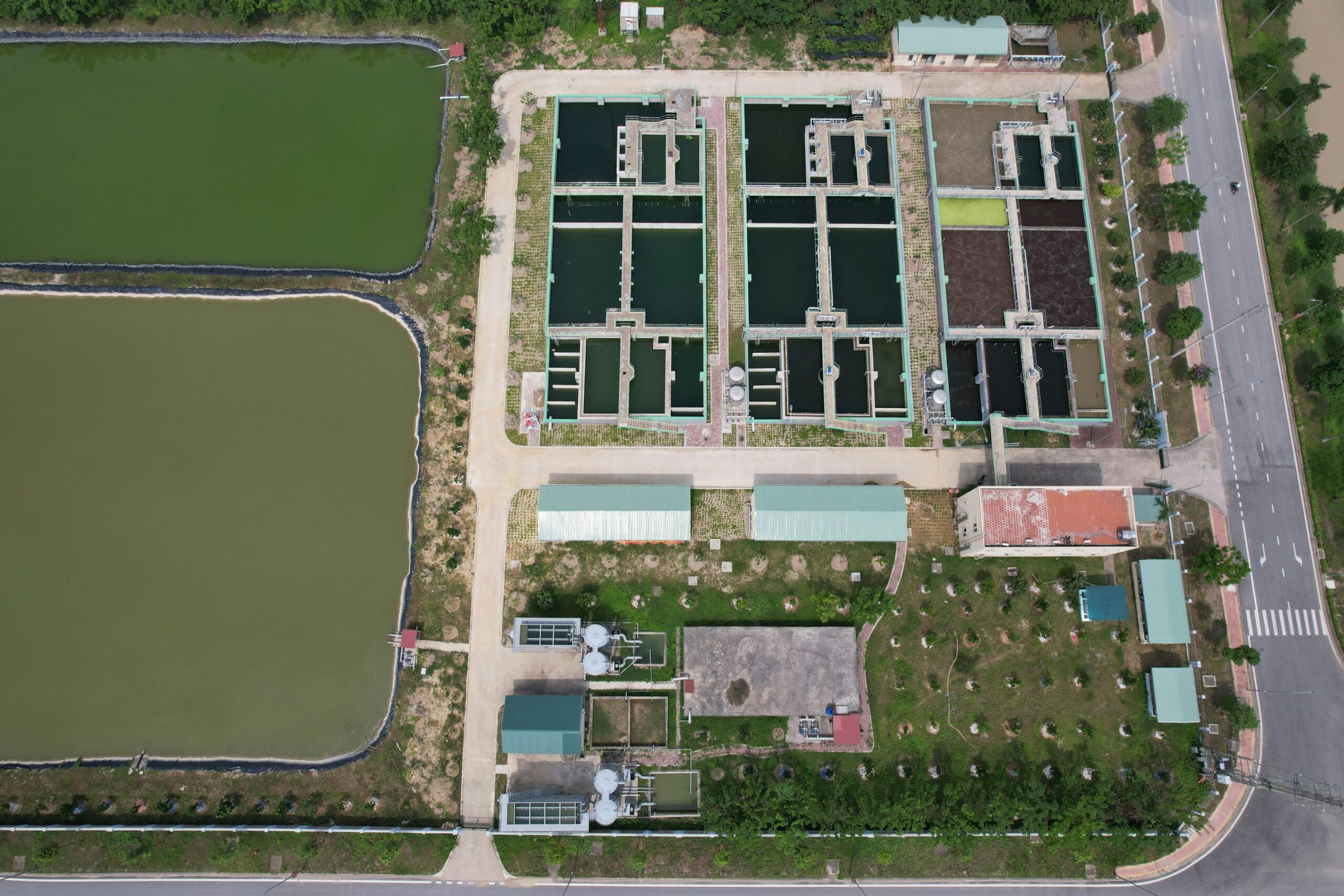
🚀 Moving Forward With Resilient Water Management
Runoff resilience requires commitment beyond initial infrastructure installation to embrace ongoing adaptation and care. Communities investing in comprehensive maintenance programs protect their investments while building capacity to handle uncertain futures. The integration of ecological principles, technological innovations, and community engagement creates systems that improve rather than deteriorate over time.
Successful programs recognize that maintenance represents not merely an operational expense but a strategic investment in community resilience, environmental health, and economic stability. As climate pressures intensify and development continues, the difference between thriving and struggling communities will increasingly depend on their capacity to manage water sustainably through all conditions.
Starting with thorough assessment, developing adaptive strategies, securing stable funding, and engaging diverse stakeholders creates the foundation for long-term success. The challenge is significant but not insurmountable—countless communities are demonstrating that thoughtful, sustained commitment to runoff resilience delivers transformative benefits that compound over time. The question is not whether such programs are necessary, but how quickly communities can implement them before deferred maintenance and climate impacts create crises that force reactive responses at far greater cost.