Nobody plans to break down. That's exactly why a car emergency kit is one of the smartest things you can keep in the trunk — because the moment you need it, it's far too late to start shopping. A flat tire on a dark shoulder, a dead battery in a cold parking lot, a long wait for a tow on a hot afternoon: these aren't rare events, they're just unscheduled ones.
I've put together a kit for every car I've owned, and the philosophy is simple. A good kit does two jobs. First, it keeps you safe and visible while you're stopped — because the most dangerous thing about a breakdown usually isn't the car, it's the traffic going past. Second, it helps you get moving again or stay comfortable until help arrives. Build around those two ideas and you can't go far wrong. Here's what goes in.
Safety and Visibility First#
This is the part people skip, and it's the part that matters most. When you're stopped on a road, you and your car are an obstacle that other drivers may not see until the last second. Everything here is about making sure they do.
- A reflective warning triangle (or roadside flares where appropriate). Set it up well behind your car to warn approaching traffic and give them time to move over. This is your single most important item.
- A high-visibility vest. Keep it somewhere you can grab before you get out of the car, not buried in the back. Being seen is being safe.
- A good flashlight or headlamp with fresh batteries. A headlamp is ideal because it leaves both hands free. Don't rely on your phone's light — you'll want that phone for calling help.
The roadside is a more dangerous place than the breakdown itself. Make yourself visible first, get clear of traffic, and only then worry about the car. The car is replaceable.
These items are cheap, compact, and the ones you'll be most grateful for in the dark. Don't let the flashier gadgets crowd them out.
The "Get Moving Again" Gear#
Once you're safe, the next question is whether this is something you can resolve yourself or a wait-for-help situation. A few items dramatically widen what you can handle on your own.
A portable jump pack is, in my opinion, the best single upgrade to any kit. A dead battery used to mean flagging down a stranger, hoping they had jumper cables, and hoping you both knew how to use them. A modern jump pack is a small battery you keep charged that can start your car by itself — no second vehicle, no waiting. Read its instructions ahead of time so you're not learning in the dark. (If you carry traditional jumper cables instead, know that connecting them wrong can cause sparks or damage, so follow the correct order carefully — or skip it and call for help.)
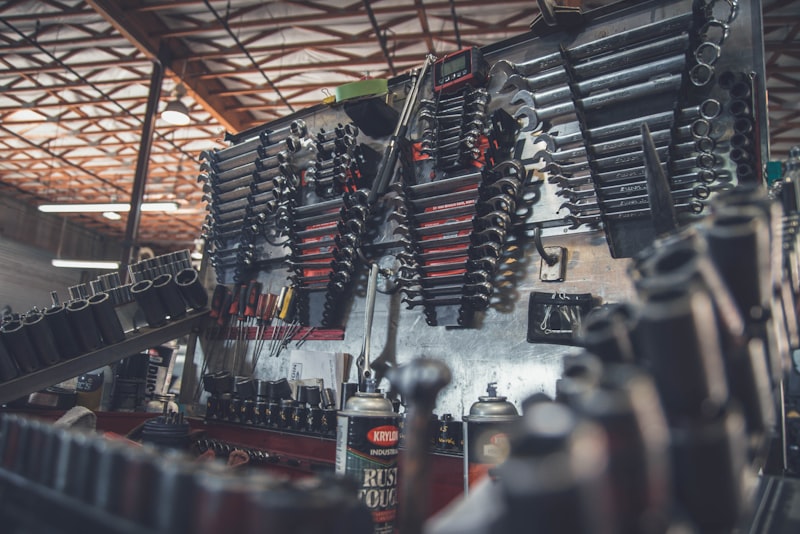
Basic tools cover the small stuff: a multi-tool or a compact set with screwdrivers and pliers, a tire pressure gauge, and gloves to keep your hands clean and protected. A tow strap can help in the right situation, though recovering a stuck car is something to leave to people with the right gear if you're unsure.
A note on tires. Many cars carry a spare or a tire repair kit. Changing a tire is doable for a lot of drivers — but only somewhere safe, on firm level ground, well away from traffic. If you're on a busy shoulder or a blind curve, the right call is to stay safe and phone for roadside assistance. No tire change is worth standing in a live traffic lane. And never get under any part of a car supported only by a jack.
First Aid and Human Needs#
The kit isn't only about the car. If you're stuck for a while — or someone's hurt — these matter just as much.
A first aid kit is non-negotiable. A basic prepacked one covers bandages, antiseptic, gauze, and tape for minor injuries. Glance through it once so you know what's in there.
Then think about simply being stranded for a few hours:
- Water and a few non-perishable snacks — energy bars, nuts, anything that keeps. A long wait is a lot more bearable when you're not hungry and thirsty.
- A phone charger — a cable plus a charged power bank. A phone at 4% during a breakdown is its own emergency. Keep the bank topped up.
- Important info written down or saved: your roadside assistance or insurance number, and a note of your medical needs if you have any.
These are the unglamorous items that turn a miserable, anxious wait into a manageable one.
Where and when you drive should shape your kit. Extreme weather changes a breakdown from an inconvenience into something genuinely serious, and a few seasonal items make all the difference.
For cold climates: a warm blanket, a hat and gloves, and an ice scraper. If you ever get stranded in winter, staying warm is the priority, and a blanket in the trunk can matter more than any tool. Some people add traction aids like sand or a folding shovel for snow.
For hot climates: extra water above all, plus a way to shade yourself. Heat is dangerous when you're stuck with no AC, and dehydration sneaks up fast. Sunscreen and a hat help on a long, exposed wait.
You don't need to carry everything for every season at once — swap a few items as the year turns, the same way you'd check your tires and battery seasonally. Five minutes twice a year keeps the kit matched to the real risks outside.
Roadside-Safety Sense#
A kit is only as good as how you use it, and the right habits are free. If you break down, the order goes like this: get the car as far off the road as you safely can, turn on your hazard lights, and if it's safe, get yourself and your passengers out and away from traffic — generally behind a barrier and away from the traffic side of the car. Set out your warning triangle. Then assess the problem.
Notice that fixing the car comes last. The instinct is to pop the hood right away, but standing next to traffic is the real hazard. Safe first, comfortable second, repairs only when it's genuinely safe to attempt them — and when in doubt, call for professional help rather than risk it.
Build the kit once, keep it stocked, refresh it with the seasons, and you turn one of driving's worst moments into something you're ready for. That readiness is the whole point: not paranoia, just a trunk that has your back on the day you didn't see coming.