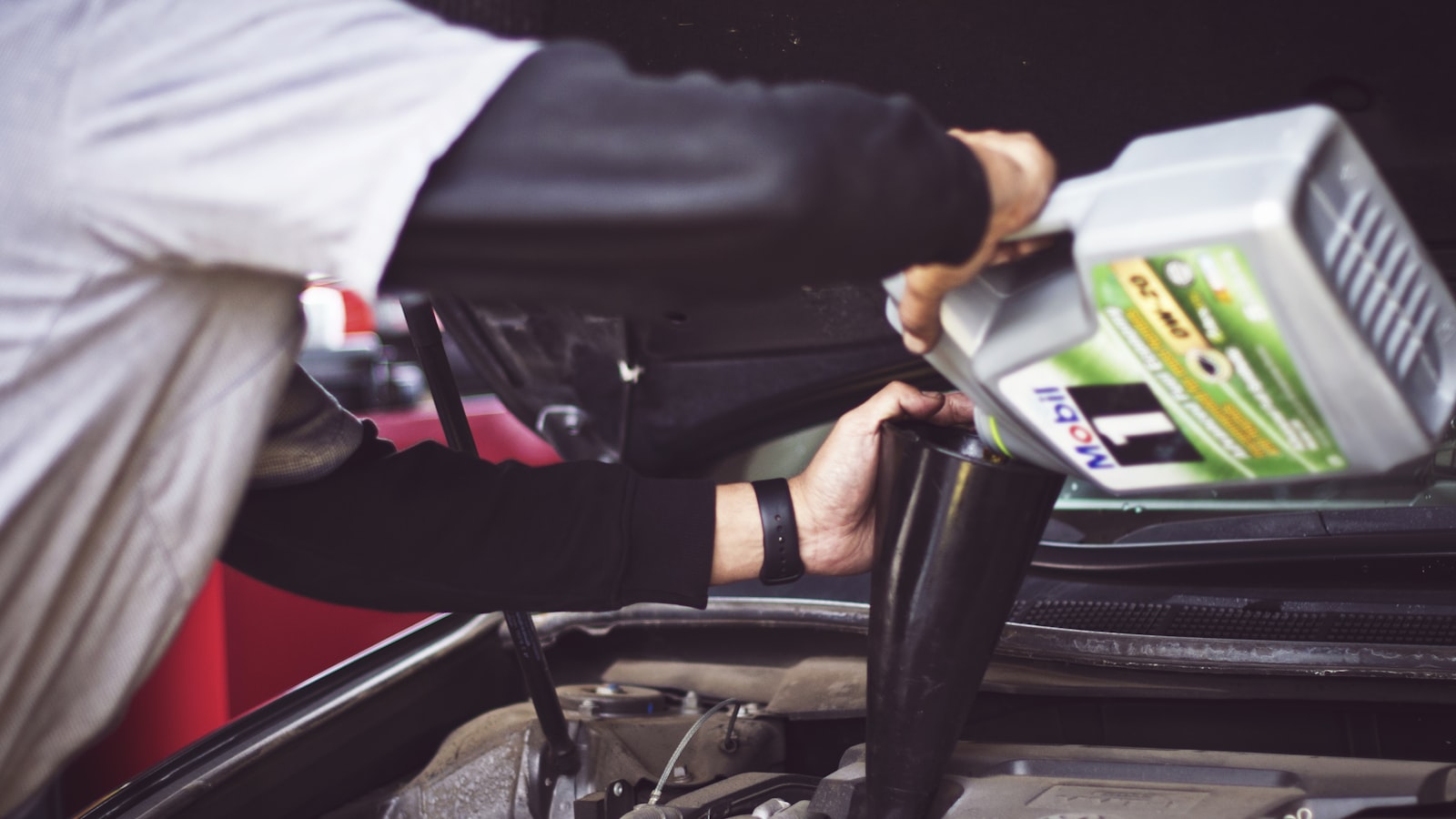
I love doing my own car work. There's real satisfaction in changing your own oil, swapping wiper blades, topping up fluids. But the most useful skill I've picked up over the years isn't any particular repair — it's knowing the exact moment to put the wrench down and call someone who does this for a living.
Because here's the truth: a car talks to you constantly. New noises, strange smells, a puddle that wasn't there yesterday, a pedal that feels different — those aren't random. They're messages. The drivers who avoid the big, expensive, dangerous failures are simply the ones who listen early instead of turning up the radio. Let me walk you through what to listen for, and what to do about it.
Symptoms That Mean Stop Now#
Most car problems can wait until the weekend. A few cannot, because they involve the systems that keep you alive in traffic. If you notice any of these, this isn't a DIY moment — it's a stop-and-get-help moment.
- Anything with the brakes. A soft or sinking brake pedal, a pedal that goes nearly to the floor, grinding when you stop, or the car pulling hard to one side under braking. Brakes are not the place to experiment or "drive it a bit longer."
- Steering that feels wrong. Looseness, heavy resistance, shaking through the wheel, or the car wandering. Losing steering control is exactly as bad as it sounds.
- Smoke or a burning smell. Smoke from under the hood, or a hot, burning odor, can mean overheating, an electrical fault, or a fluid leaking onto something hot. Pull over safely and shut it down.
- Temperature gauge in the red. An overheating engine can destroy itself in minutes. Stop, let it cool, and get it looked at — don't push on hoping it passes.
When the problem touches brakes, steering, or smoke, the brave move isn't fixing it yourself — it's refusing to drive until a qualified mechanic has checked it. Ego has no place between you and a stopping distance.
If any of these strands you, that's what roadside assistance and tow trucks exist for. A tow is cheap compared to the alternatives.
Listen, Smell, and Look#
Your senses are the best early-warning system the car has, and they're free. You don't need a diagnostic computer to notice that something changed.
Noises#
New sounds are clues, and the type often hints at the area:
- A squeal or grind when braking points at the brakes — pads or worse.
- A clunk over bumps can mean worn suspension or steering parts.
- A rhythmic ticking or knocking from the engine that rises with speed deserves prompt attention.
- A squealing belt on startup is usually minor but worth mentioning before it snaps.
You don't have to diagnose it precisely. Just notice "that's new" and describe it to your mechanic — when it happens, how fast you're going, whether it's tied to braking or turning.
Smells#
Smells are surprisingly specific. A sweet, syrupy smell often means coolant. A burning-oil smell can mean a leak hitting hot metal. A rotten-egg smell can point to the exhaust system. The sharp smell of hot brakes after a long descent is one thing; that same smell on flat ground is another. If a new smell shows up and sticks around, take it seriously.
Leaks#
Glance at the ground where you park. A small, occasional drip of clear water in summer is usually just AC condensation — harmless. But fresh puddles of color are worth investigating: dark brown or black can be oil, green or orange can be coolant, reddish can be transmission or power-steering fluid. A spreading or growing leak, especially anything that looks like brake fluid, is a "get it checked soon" sign, not a "wipe it up and forget it" one.
Don't Let Small Become Big#
Almost every catastrophic repair bill I've seen started as something small and cheap that got ignored. The worn brake pad that became a damaged rotor. The slow coolant leak that became an overheated engine. The little noise that became a part failing on the highway.
This is the core mindset shift: a small problem is a gift. It's the car warning you while the fix is still easy and affordable. Tuning it out doesn't make it go away — it just lets it grow into something that strands you and costs many times more. When something feels off, the cheapest possible time to deal with it is right now, today, while it's still small.
That doesn't mean panic over every rattle. It means don't dismiss changes. If you're not sure whether something matters, a quick inspection beats weeks of worrying or, worse, a roadside failure.
Finding a Mechanic You Trust#
The best time to find a good mechanic is before you're stranded and desperate, because desperation is how people end up overpaying or getting upsold. A few ways to build that relationship:
Ask people you trust. Word of mouth from friends, family, and coworkers is still the most reliable signal. Someone who's used the same shop for years and raves about it is worth listening to.
Start with something small. Bring a new shop a routine job first — an oil change, a simple check. See how they treat you. Do they explain things clearly? Do they show you the worn part? Do they pressure you, or let you decide?
Watch for green flags. A good shop walks you through what's urgent versus what can wait, gives you an estimate before doing the work, and doesn't make you feel stupid for asking questions. If something needs doing, they can explain why in plain language.
Trust your gut. If a place makes you feel rushed, talked down to, or pushed into work you didn't come in for, it's fine to get a second opinion. A trustworthy mechanic earns your loyalty, and a good one is worth their weight in gold for the years of cars ahead.
The Bottom Line#
Doing your own basic maintenance is a great thing — keep it up. But real car-care wisdom is knowing your limits. When the brakes, steering, or anything smoking is involved, stop and call a pro. When your senses tell you something changed, listen. And when something small shows up, deal with it while it's still small.
Find your trustworthy mechanic before the emergency, treat the car's signals as the helpful messages they are, and you'll spend a lot more time driving and a lot less time stranded. This is general guidance, not a substitute for a hands-on inspection or your owner's manual — but knowing when to make the call is half the battle.