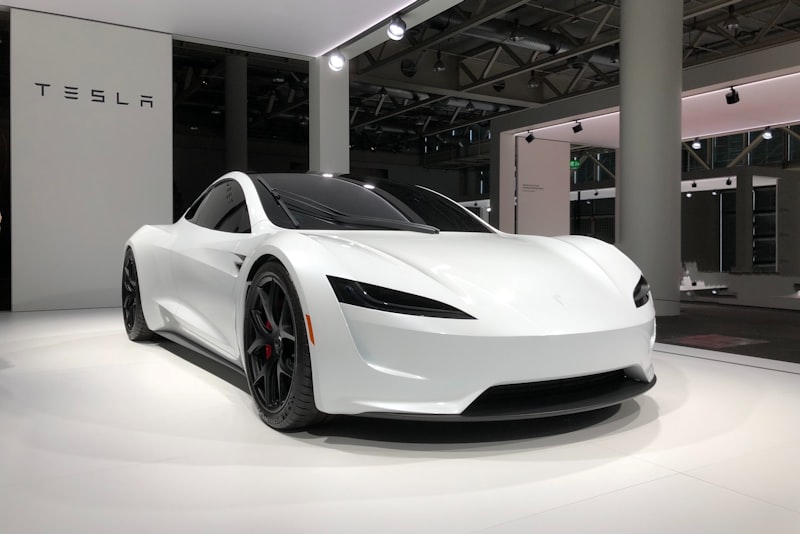
I spent years under cars with a wrench in my hand, and I'll tell you straight: an EV is a fantastic tool for some people and a frustrating one for others. The difference usually isn't the car. It's the life you're parking it in front of.
So let's skip the cheerleading and the scare stories. Below are the questions I'd ask a friend before they put money down. Answer them honestly, and you'll know where you stand.
Where will you actually charge?#
This is the one that matters most, so I'm putting it first. Owning an EV is wonderful when charging is boring — you plug in at home overnight, and you wake up to a full battery every single day. No detours, no waiting, no thinking about it.
If you have a driveway or a garage where you can install a charger, you're in the easy lane. Even a standard household outlet adds range slowly overnight, which is plenty for many drivers. A dedicated home charger is faster, and worth pricing out early because installation costs vary a lot depending on your electrical panel and the distance to the parking spot.
If you rely entirely on public charging — say you park on the street or in an apartment lot with no outlet — life gets more demanding. It can absolutely work, especially if your workplace offers charging or there's reliable fast charging nearby. But you're trading the "set and forget" magic for a bit of planning. Be honest with yourself about whether that's a minor errand or a daily headache.
If charging at home or work is easy and automatic for you, an EV will likely feel effortless. If it isn't, that one fact should weigh more heavily than range, price, or anything else on this list.
How far do you really drive in a day?#
People obsess over maximum range, but the number that actually rules your daily experience is how many miles you cover between charges. And here's the thing most folks discover when they check: it's far less than they assumed.
Pull up your routine. Commute, school runs, groceries, the gym. For the large majority of drivers, a normal day fits comfortably inside a modern EV's range with plenty to spare — you're topping up from "half full" most nights, not running to empty. Exact range varies by vehicle, battery size, speed, and weather, so treat any single number as a rough guide, not a promise.
The mental shift is real, though. With a gas car you run it down and fill it up. With an EV you graze — small, frequent top-ups — and you almost never visit a "fuel" station. Once that clicks, range anxiety tends to fade.
How often do you take long road trips?#
This is where you need to be truthful rather than aspirational. A lot of people picture the cross-country drive they take once a year and let it dominate a decision about the 360 other days.
Ask yourself how often you genuinely drive several hours in one go:
- Rarely or never: An EV's road-trip quirks barely affect you. The occasional longer trip means planning a charging stop or two — a coffee and a stretch while the battery refills.
- A few times a year: Very workable. Fast-charging networks have grown, and a little route planning handles it. You'll stop more often than in a gas car, but not unbearably.
- Constantly, on tight schedules: This is where you should think hardest. If long-distance speed is central to your work or life, weigh whether the charging stops fit how you actually travel.
There's no wrong answer here — just be sure you're deciding based on your real calendar, not a fantasy of one.
What's your climate like?#
Weather plays a bigger role with EVs than with gas cars, and it cuts both ways. In serious cold, batteries deliver less range and charge more slowly, partly because heating the cabin (and the battery itself) draws real power. In extreme heat, you'll lean on air conditioning, which also takes a bite.
None of this is a dealbreaker — millions of people drive EVs in tough climates. But if you live somewhere with brutal winters or relentless summers, plan for noticeably reduced range in those conditions and lean on features like preconditioning while the car is still plugged in. It's something to factor in, not fear.
Does the budget actually work?#
Sticker price is only the opening line of the story. To compare fairly, look at the whole picture over the years you expect to own the car.
On the cost side, EVs often shine on running expenses: charging at home is frequently cheaper than fueling up, and with no oil changes and fewer moving parts, routine maintenance tends to be lighter. On the other side, the purchase price can be higher, insurance and tires may differ, and a home charger is an upfront expense.
Then there are incentives — rebates, tax credits, and local perks that vary widely by region and change over time. They can meaningfully shift the math, so check what's available where you live rather than assuming. I'd resist any pitch that leans only on the rosiest assumptions; run the numbers with your own electricity rates and your own mileage.
So, is it for you?#
Here's my honest take after all of it. If you can charge easily at home or work, your daily miles are normal, and you only road-trip now and then, an EV will probably make your life simpler and quieter — and you'll wonder why you waited. If charging is a daily struggle or you live on the highway with no time to stop, a different choice may serve you better right now.
Either way, the goal isn't to win an argument about the future of cars. It's to pick the tool that fits your life today. Answer these questions honestly, and the right call usually answers itself.