You're standing in front of a used car that looks great in the photos and pretty good in person. The seller is friendly. The price seems fair. So what now?
This is the moment that decides whether you drive home happy or spend next month at a repair shop. The good news: you don't need to be a mechanic to catch most problems. You need a method and about thirty unhurried minutes. Here's exactly what to look at, in the order I'd do it.
Before you touch anything#
Check the car in daylight and dry weather if you possibly can. A rainy evening on a dim street hides scratches, faded paint, and even small leaks under a wet car. Ask the seller not to warm the car up before you arrive — you want to start it cold yourself, because a cold engine tells the truth about how it really runs.
Bring a friend if you can. A second pair of eyes keeps you honest, and a chatty seller is less likely to rush you.
The exterior#
Walk slowly around the whole car and look down the length of each side at an angle. You're hunting for:
- Mismatched paint or uneven panel gaps, which can hint at past accident repairs.
- Rust, especially around wheel arches, door sills, and the underside.
- Cloudy or cracked lights and chips in the windshield that could spread.
- Doors, hood, and trunk that open and close cleanly and line up properly.
A few scuffs are normal on a used car. What you're watching for is evidence of something bigger that someone tried to tidy over.
The tires#
Tires are one of the most honest parts of a car, and people skip right past them. Check all four, plus the spare if there is one.
Look at the tread depth and, more importantly, whether the wear is even across each tire. Wear that's heavier on one edge can point to alignment or suspension trouble — problems that cost real money. Tires that don't match each other, or that look much newer than the car, are worth asking about. And glance at the date stamp on the sidewall: rubber ages even when it isn't driven much.
Under the hood: fluids and leaks#
You don't need to diagnose the engine. You're just reading clues.
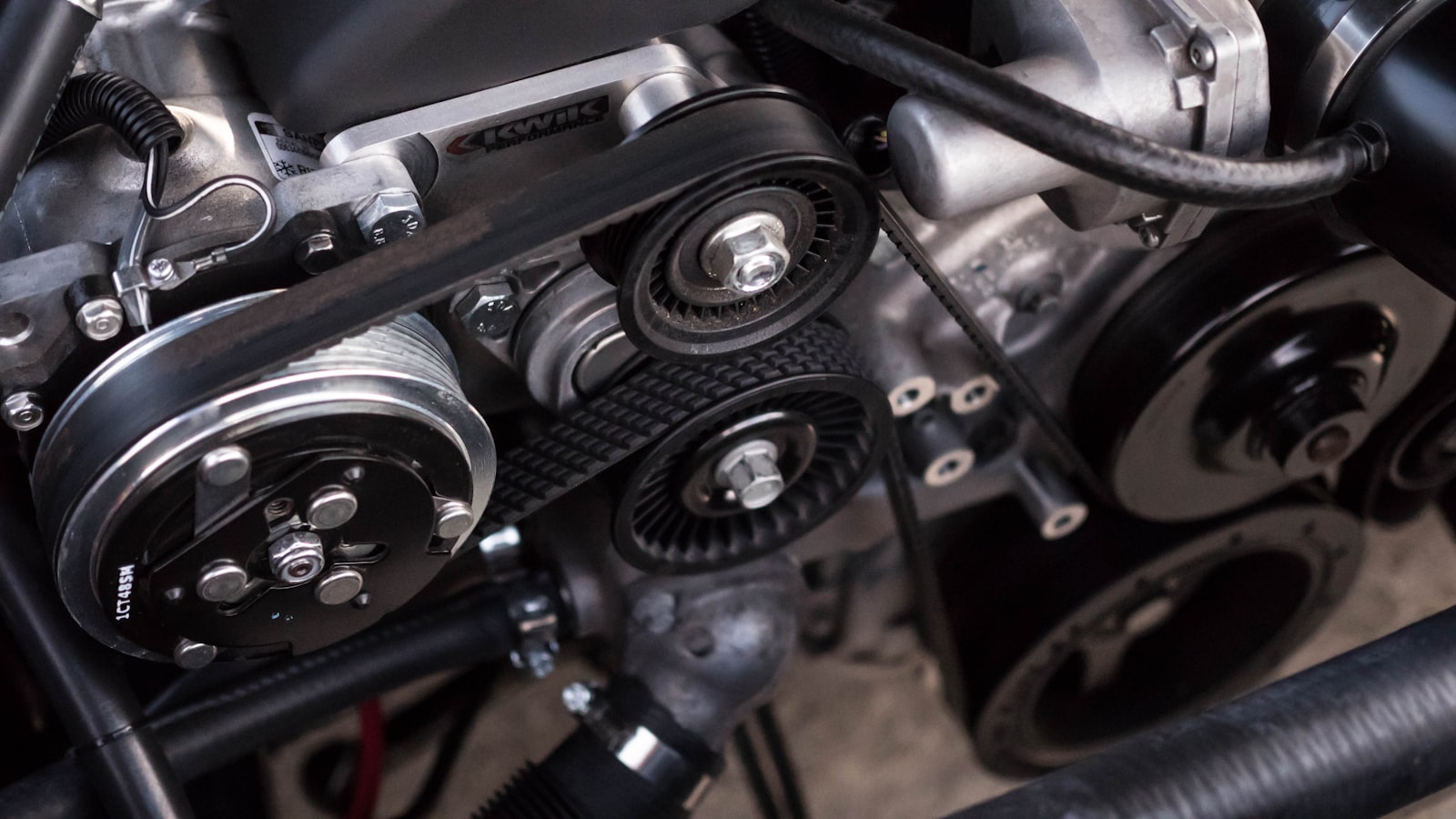
Pull the oil dipstick: clean-ish oil at the right level is reassuring; gritty, milky, or burnt-smelling oil is not. Peek at the coolant — it should look clean, not rusty or sludgy. Then look around and under the engine for fresh leaks and crusty old residue. A spotless engine bay can be a good sign, but a suspiciously steam-cleaned one can also be hiding a leak, so look closely either way.
Cars rarely lie about how they were treated — you just have to know where to look.
The interior#
Climb in and test everything, methodically. Every window, every door lock, the lights, wipers, horn, air conditioning and heat, the infotainment screen, and — this one matters for safety — every seatbelt latching and retracting properly.
Then check that the wear inside matches the story. A steering wheel and pedals worn smooth on a car claiming low mileage is a mismatch worth questioning. Have a quick sniff, too: a strong air-freshener smell can be covering damp, smoke, or mold.
The test drive#
This is where the car shows you who it really is, so make it count. Drive on a few different roads if you can — slow streets and faster stretches both.
Start it cold and listen at idle for knocks or rough running. As you drive, pay attention to your senses:
- Does it pull to one side, or does the steering feel vague or notchy?
- Do the gears shift smoothly, without lurching or hesitation?
- Are the brakes firm and straight, not spongy or pulling?
- Any knocks, whines, or grinding over bumps or while turning?
- Do warning lights come on and stay on after start-up?
Turn the radio off for part of the drive. You're listening for the car, not the playlist.
Why a professional inspection is worth it#
Here's the honest part: your walk-around catches a lot, but it won't catch everything. You can't see worn internals, a tired clutch, or the early signs of an expensive future failure from the driver's seat.
That's why, on any car you're seriously considering, I'd get a pre-purchase inspection from an independent mechanic — one you chose, not one the seller suggested. For a modest fee, a pro puts the car on a lift, reads the diagnostics, and tells you in plain terms what's good, what's worn, and what's about to cost you. (Availability and cost vary by region, so this is general guidance — check what's normal where you are.)
Think of the math. The inspection is a small, fixed cost. The repair it might warn you about — or the bad car it talks you out of — can be many times larger. A seller with nothing to hide will happily agree to one. A seller who refuses just told you something important.
There's a softer benefit too: a written inspection gives you leverage. If the mechanic flags worn tires or brakes that'll need attention soon, that's a fair, specific reason to negotiate the price down — or to walk away with a clear conscience. Either way, you're deciding with facts instead of hope.
Putting it together#
None of this requires special tools or a mechanic's eye. It requires patience and a willingness to look. Run the checklist the same way every time, trust what your senses tell you, and bring in a pro before you commit serious money.
The buyers who get burned almost always skipped a step because they'd already fallen for the car. Don't be that buyer. Look first, fall in love second — and only after the car has earned it.